Spray foam - Are you mad?
Often called expanding foam, spray foam presents significant risks to period and listed buildings. Understand why this seemingly modern solution can cause lasting damage to your historic property.

The hidden dangers of spray foam
For owners of period and listed buildings, the allure of modern insulation can be tempting. However, spray foam insulation, often marketed as an energy-efficient solution, poses severe threats to the integrity and longevity of historic structures. It is crucial to understand that spray foam often creates moisture traps, leading to unforeseen and costly damage. Many mortgage companies are now wary of properties with spray foam, making it a significant concern for potential buyers and sellers alike.
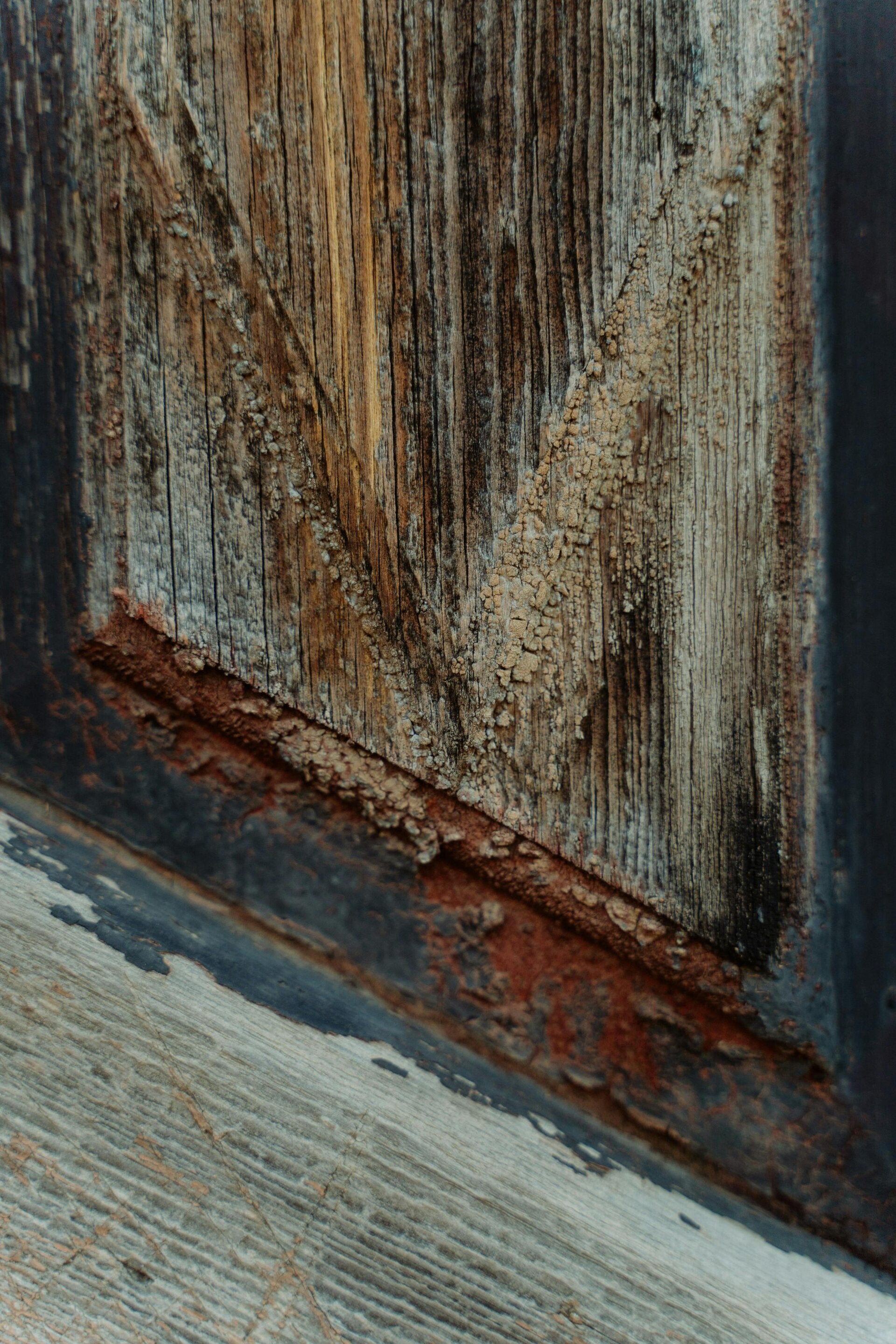
Moisture traps, and timber decay
Traditional buildings are designed to manage moisture by allowing it to naturally enter and escape the structure. Spray foam disrupts this important balance by creating an impermeable barrier. This traps moisture within the building's fabric, particularly in roof timbers and walls. The result is often timber decay, leading to structural instability and extensive repair costs. Homeowners and conservationists should be aware that what seems like a quick fix, should be even quicker forgotten. This is one on my list of nemesis because it simply leads to long-term problems.
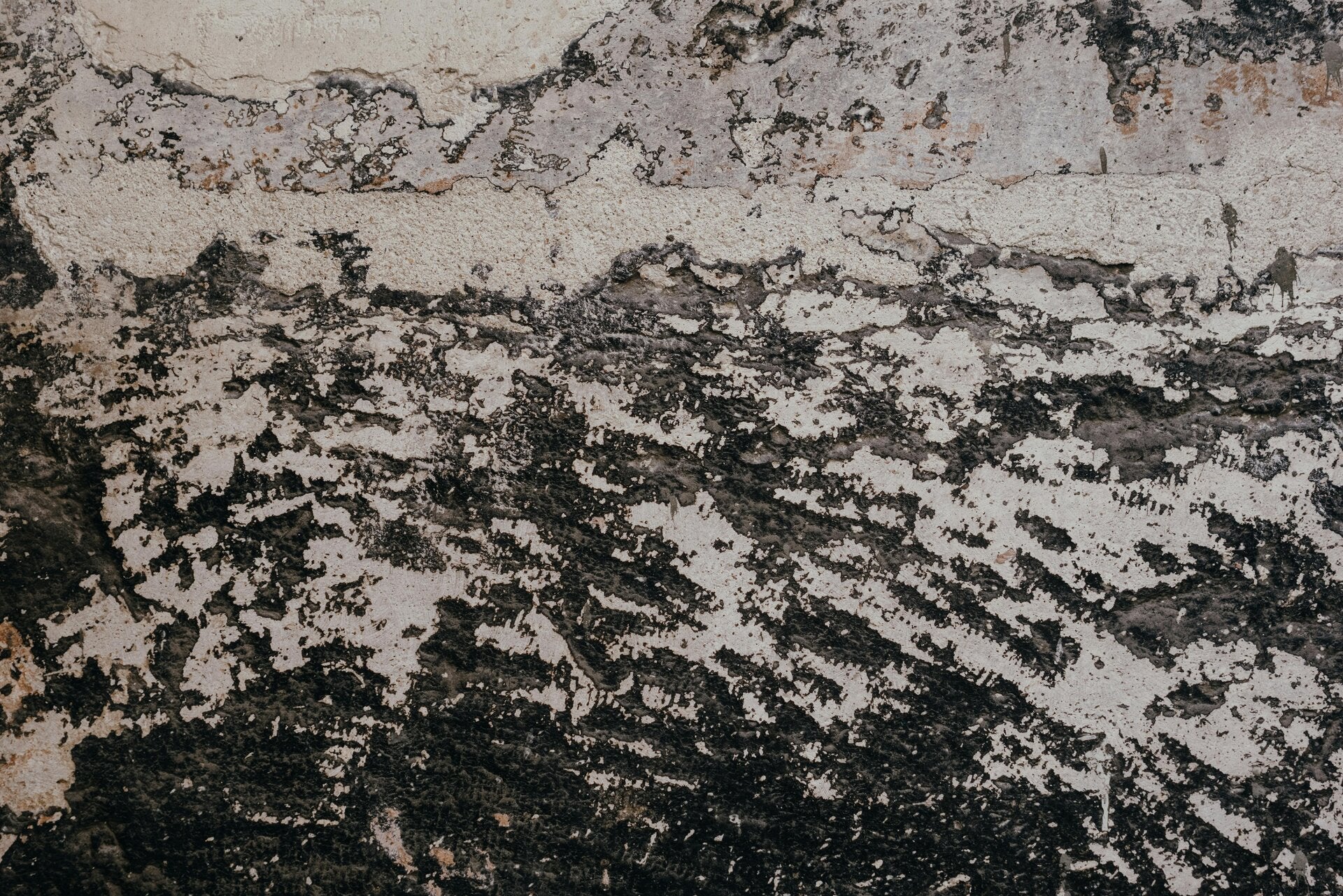
Fungal growth and property value
Beyond timber decay, trapped moisture also provides an ideal breeding ground for fungal and mould growth. Don't forget poor AWAAB. This not only compromises the air quality within your home but can also severely impact the structural components. Moreover, the presence of spray foam can significantly devalue a property, as many mortgage lenders are increasingly reluctant to offer financing for homes with this type of insulation due to the associated risks. Before considering spray foam, consult with heritage building experts to ensure the preservation and value of your historic home.

Getting it back out will often cost you more than getting in put in, so just steer clear instead.