

The Fibonacci sequence in heritage design
From spiral galaxies and nautilus shells to the proportions of Britain's finest period buildings, discover how nature's timeless mathematical sequence governs harmony, balance, and classic historic craftsmanship.
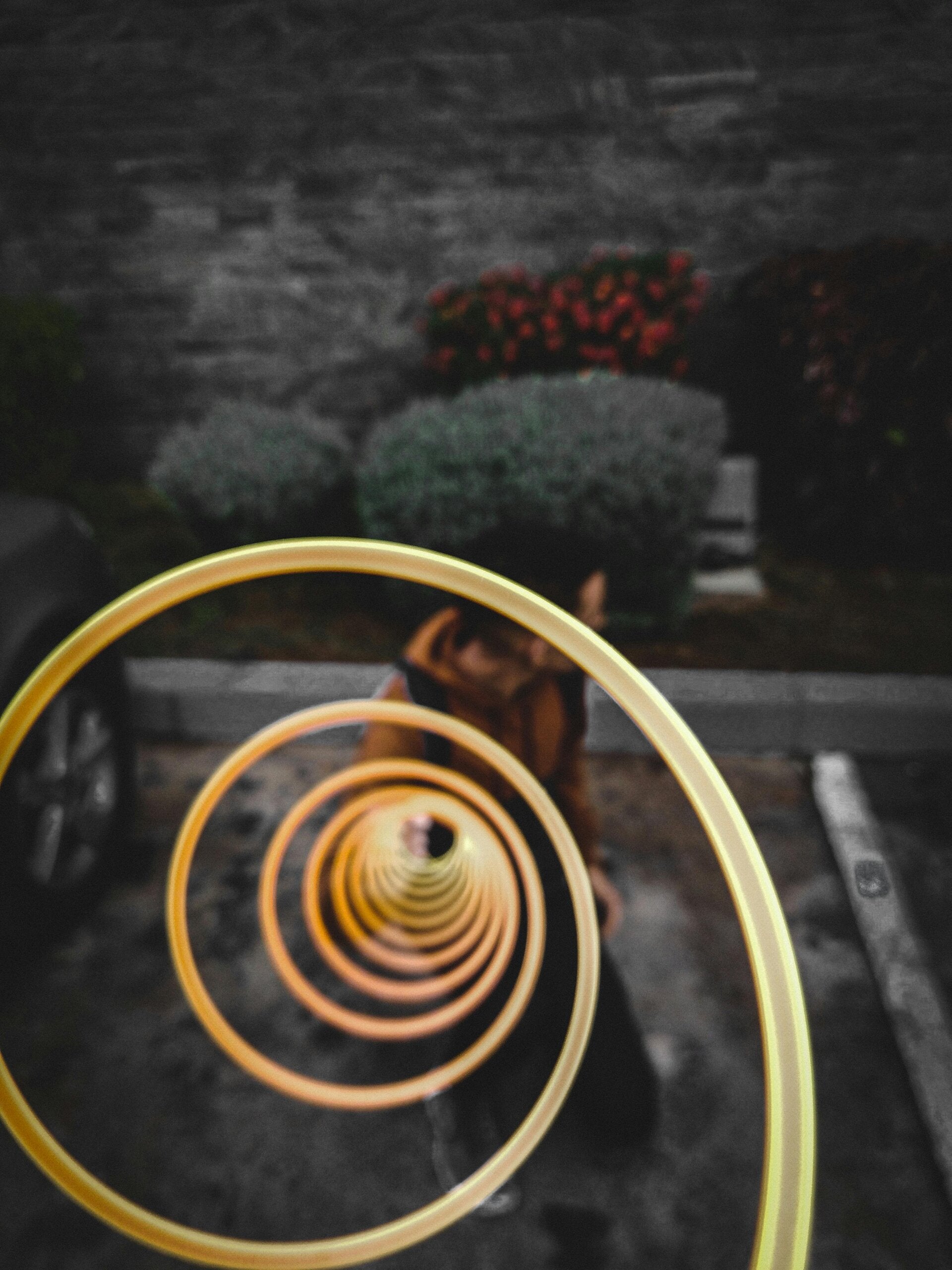
The universal geometry of nature
Where each number is the sum of the two preceding it (0, 1, 1, 2, 3, 5, 8, 13, 21...), the sequence creates the golden ratio of approximately 1.618. Found throughout the natural universe—in pinecones, flower petals, and branching trees—this ratio has guided human visual perception and craft for centuries, forming our innate understanding of natural proportion.
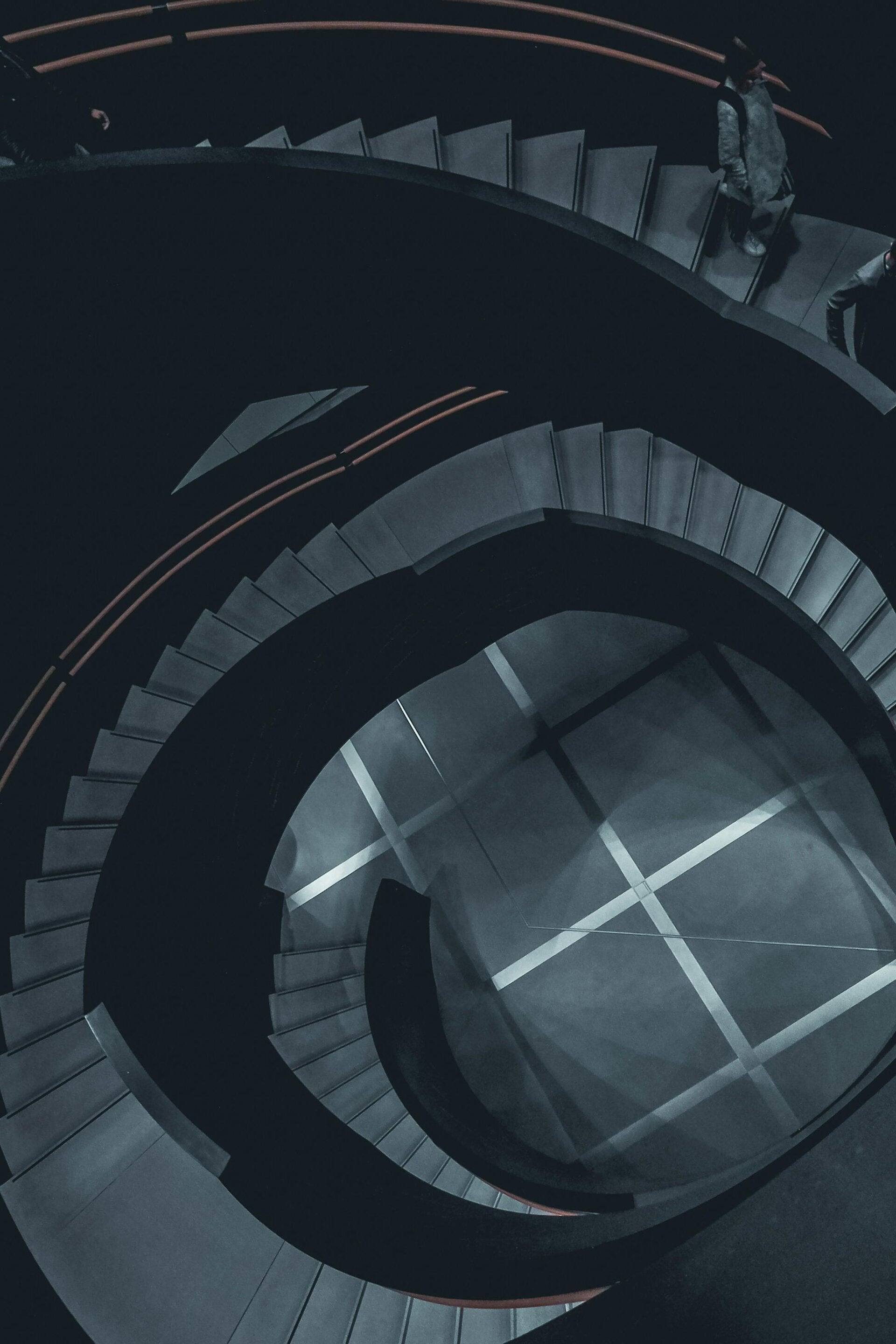
Classical architectural harmony
Master builders of the Renaissance, Georgian, and Victorian eras intentionally employed these ratios to achieve visual equilibrium. When observing cantilevers, winding stone staircases, and soaring vaulted halls, the eye tracks logarithmic curves that feel effortlessly balanced. Understanding these mathematical foundations remains crucial when conserving and restoring historic structures.

Windows, mouldings, and traditional details
In period joinery and masonry, the sequence reveals itself in practical details. Classical sash windows, architraves, plaster cornices, and decorative wall panels frequently rely on golden proportions rather than arbitrary dimensions. Preserving these subtle harmonic relationships is fundamental to retaining the genuine character of listed buildings.