Thermosetting polymers and paper evolution
An educational examination of modern polymer chemistry, shifts in paper and cardboard manufacturing, and their irreversible impacts on traditional building conservation and moisture vapour permeability.
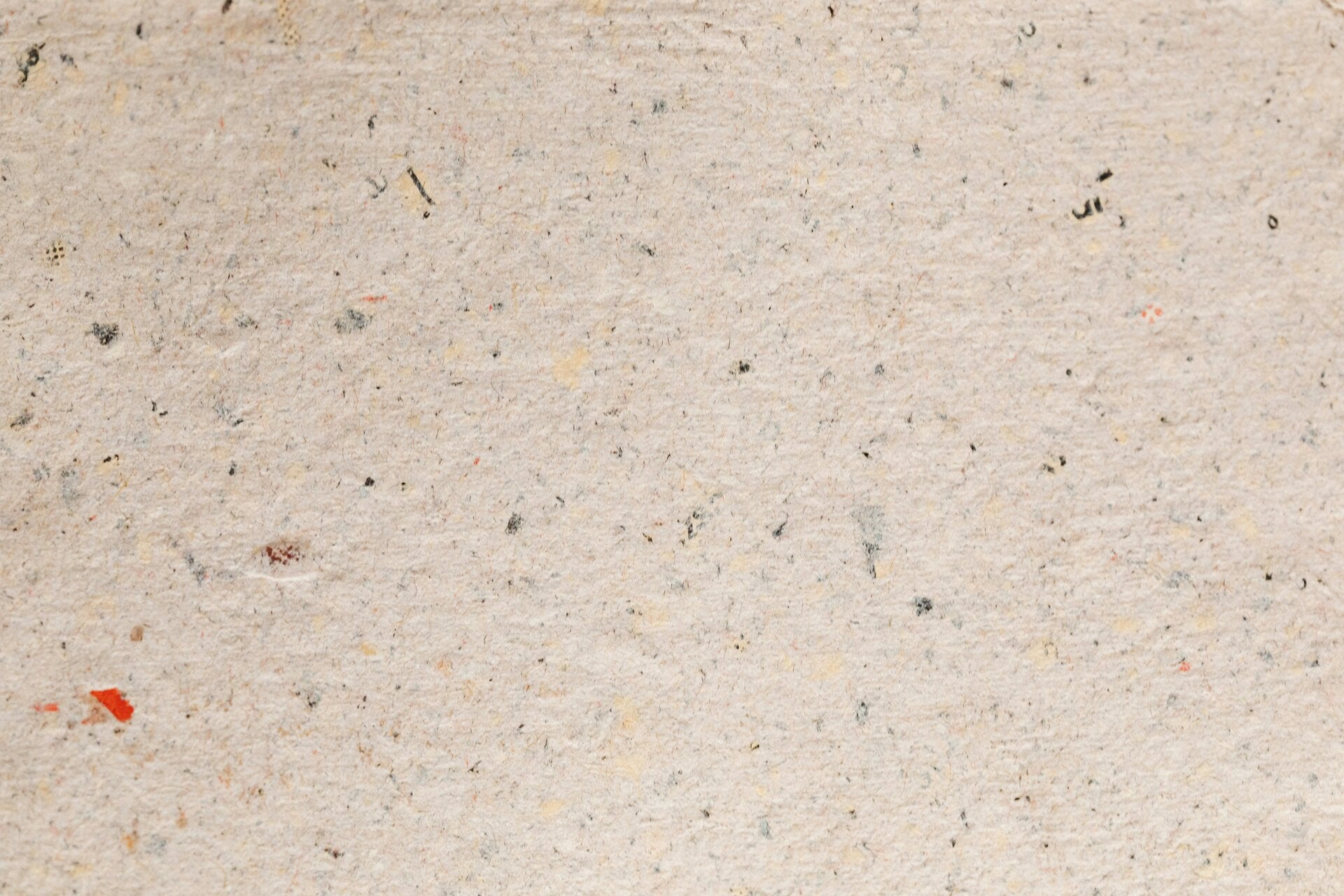
The transition from traditional wood pulp papers to synthetic polymers
Historically, wallpapers, lining materials, and architectural boards consisted purely of natural plant fibres bonded with water-soluble starches or animal glues.
However, with the advent of thermosetting resins and synthetic thermoplastic binders, the fundamental behaviour of paper and card changed entirely.
Unlike historic paper that can be re-pulped and dissolved gently with steam, modern engineered papers incorporate irreversible synthetic networks that never melt or release as easily once cured.
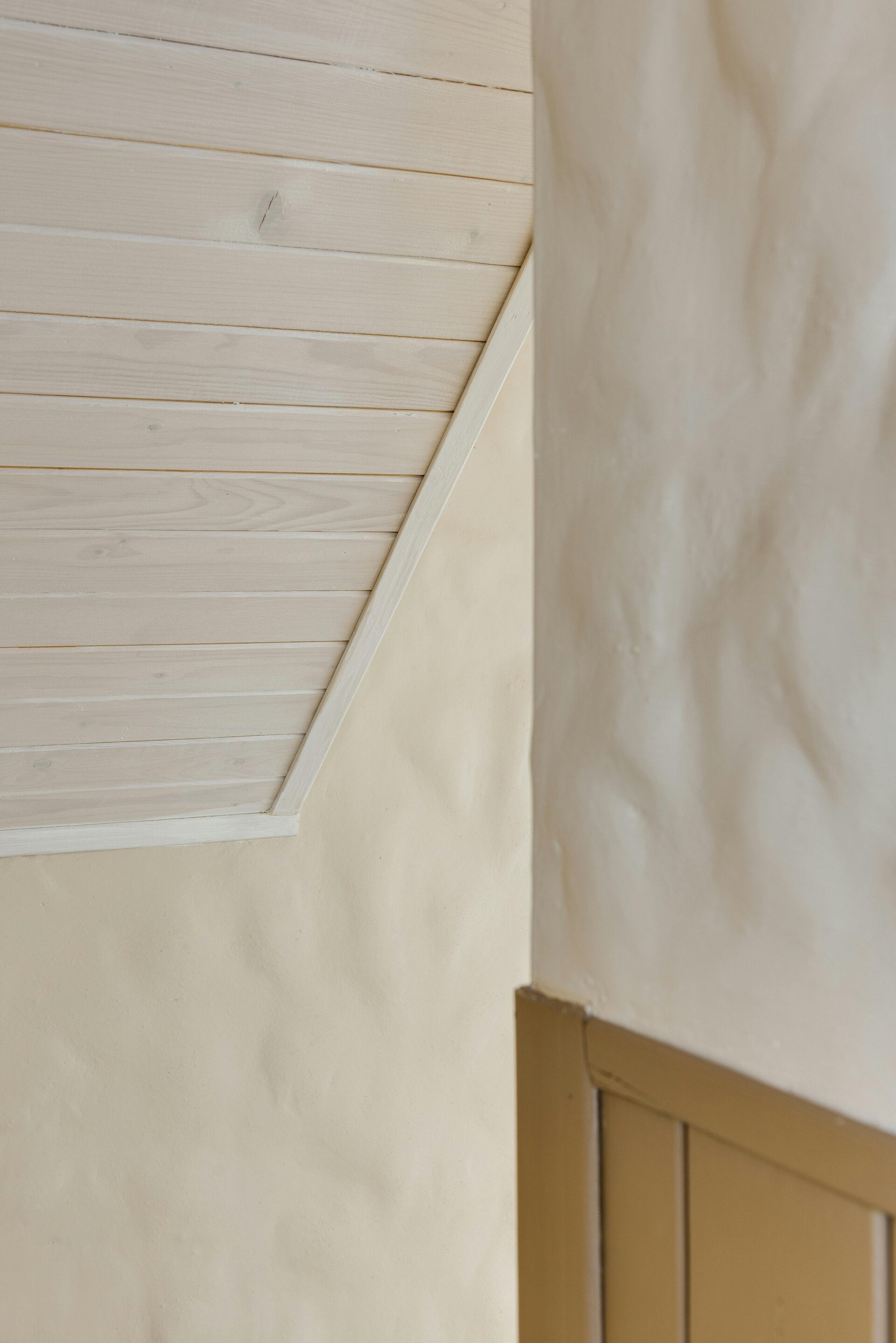
Moisture vapour permeability and fabric breathability
Thermosetting additives alter the microscopic pores of paper and board substrates. Where historic lime plaster and timber require continuous vapour transpiration, polymer-infused linings create semi-impermeable barriers.
This disruption to moisture migration traps interstitial water behind decorated surfaces, accelerating masonry salt formation, timber decay, and plaster debonding within listed building envelopes.

Adhesive compatibility and material reversibility
The introduction of modern thermosetting resins radically affects both adhesive choice and recyclability.
Standard starch pastes fail to bond securely with chemically treated surfaces, forcing the use of rigid synthetic pastes that permanently damage underlying historic substrates upon removal.
Therefore, understanding how former paper products have been altered is vital when specifying reversible conservation solutions for period interiors.
Plus this is yet another reason to never listen to an Armchair Expert.