Understanding capillarity
Capillary action is one of nature's fundamental mechanisms for moisture movement. In historic and listed buildings, understanding how water travels through porous materials is the key to preserving fabric, preventing decay, and making informed conservation choices.
The science of capillary action
Capillarity occurs when liquid moves spontaneously through microscopic voids, driven by surface tension and adhesive forces between water molecules and surrounding materials. In solid masonry, this natural pull enables walls to draw in ground moisture or driving rain, and this is what was turned into the big, scarey RISING DAMP.
Capillarity also governs the vital process of moisture evaporation. When unhindered, porous fabric naturally balances moisture levels, transferring vapour safely outwards into the atmosphere.

Recognising the telltale symptoms
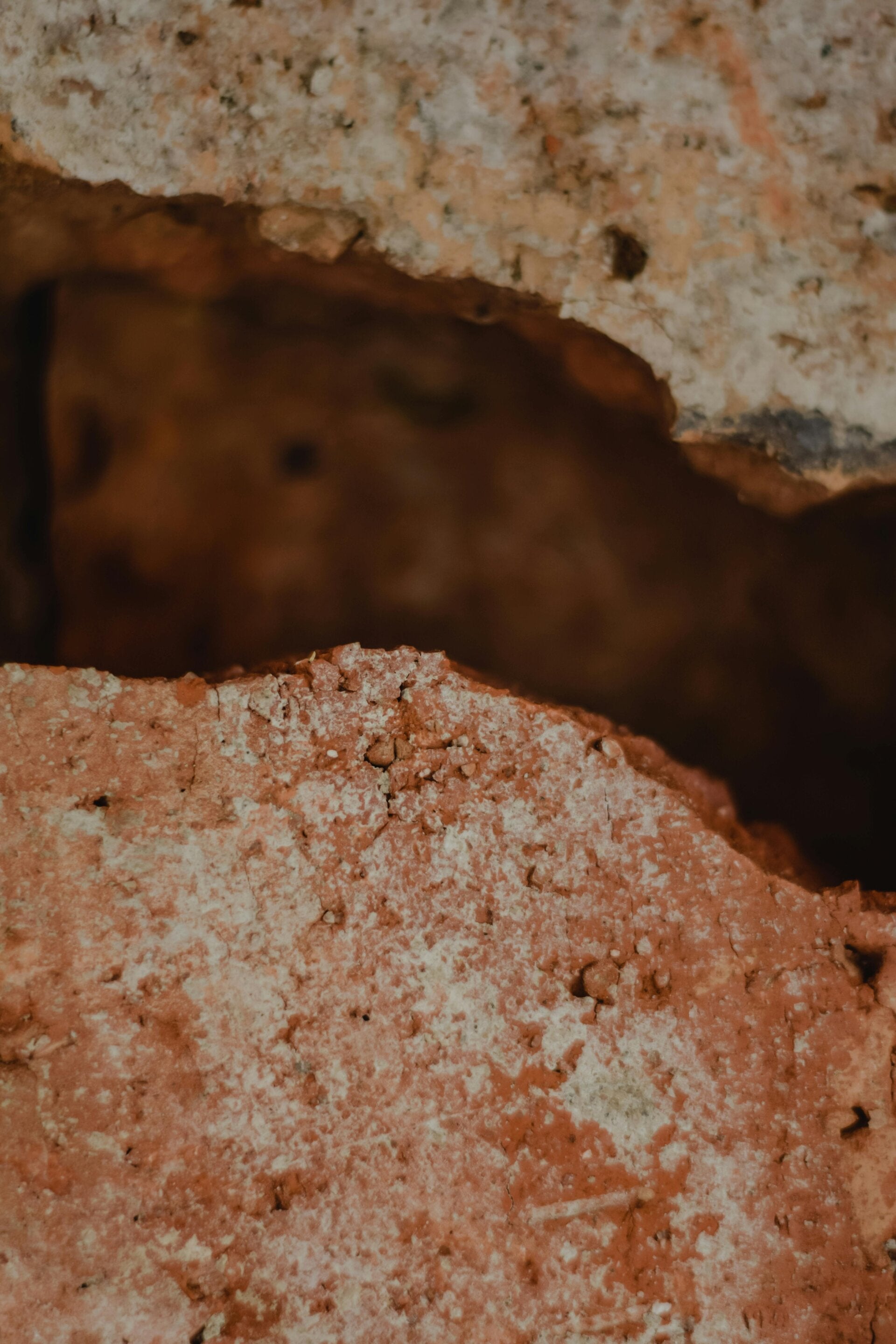
When capillary movement is disrupted or excessive, telltale signs quickly appear across internal plastering, external rendering, and brickwork. You may observe powdery efflorescence (salts), blistering coatings, or deteriorating mortar joints.
If moisture cannot evaporate freely due to impermeable modern barriers, water accumulates within the core masonry, triggering spalling faces, degraded laths, and structural decay.
Managing moisture with traditional lime
Tackling moisture safely requires materials that respect natural capillarity. Non-hydraulic lime mixes are generally preferable to denser hydraulic limes because their open pore structure allows moisture to passage through walls freely. Proper repointing and rendering ensures moisture evaporates through sacrificial mortar lines rather than damaging delicate historic brickwork. Keep exploring our building sciences guides to understand your property better.