Shreijver system: an independent view

Heritage Lane provides practical education for the conservation and repair of period and listed buildings. This page considers the system commonly marketed as the Schrijver System (also searched for as “Sheijver”) and its claims to tackle rising damp. Our advice is clear: do not confuse a sales-led treatment with a sound diagnosis of how an old building manages moisture.

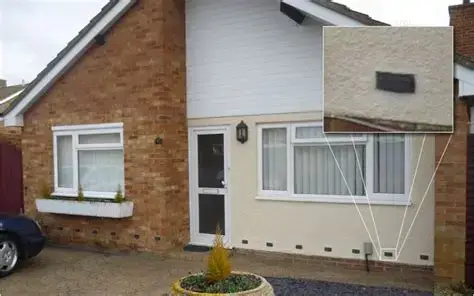
Aren't they pretty ......... useless 🤣

Frequently asked questions

Before committing to any damp treatment, understand the cause, the building fabric and the evidence behind the proposed solution. Here are Heritage Lane’s answers to the questions most often raised about the Schrijver System in historic properties.

In plain English, what is the Schrijver System and how does it tackle damp in period or listed properties?

It is marketed as a natural process for dealing with rising damp. Heritage Lane’s view is that it does not provide a credible remedy for the moisture problems commonly labelled “rising damp”. Old buildings need careful investigation of drainage, ground levels, ventilation, salts, rainwater goods and inappropriate modern materials, not a device or system presented as a cure-all.

Why would an owner choose this system over chemical damp-proof injections?

They should be cautious of both. Chemical injection is frequently unsuitable for traditional solid-wall construction, and the Schrijver System is another heavily marketed promise without a convincing conservation case. Ask the obvious question: if the system were as transformative as claimed, why is it not a standard part of building design and conservation practice?

What should a homeowner expect from a free visit or free quote?

A free visit or quote is the 'spratt to catch the nackeral', that creates the contact to empty your pockets later. That's not the same as an independent survey. Treat strong conclusions or costly recommendations made from a brief 'sales appointment' with care. A proper assessment should explain the observed evidence, identify likely moisture routes, consider the building’s age and construction, and set out proportionate options rather than selling a pre-selected treatment.

What is Heritage Lane’s advice on the Schrijver System?

Avoid it at all costs. Do not authorise installation simply because a damp problem has been named. Protect your period or listed building by first understanding how it was built and by seeking impartial, conservation-aware advice focused on causes rather than proprietary treatments.

Start with the cause, not the cure

Damp in a historic building deserves an informed, fabric-first approach. Explore Heritage Lane’s guidance on rising damp before accepting a system, survey or quotation that promises an instant fix.