What is a shelter coat?
Discover the vital role of shelter coats in preserving our heritage. Learn how this traditional technique can help to protect old buildings from the elements, ensuring their longevity for generations to come.
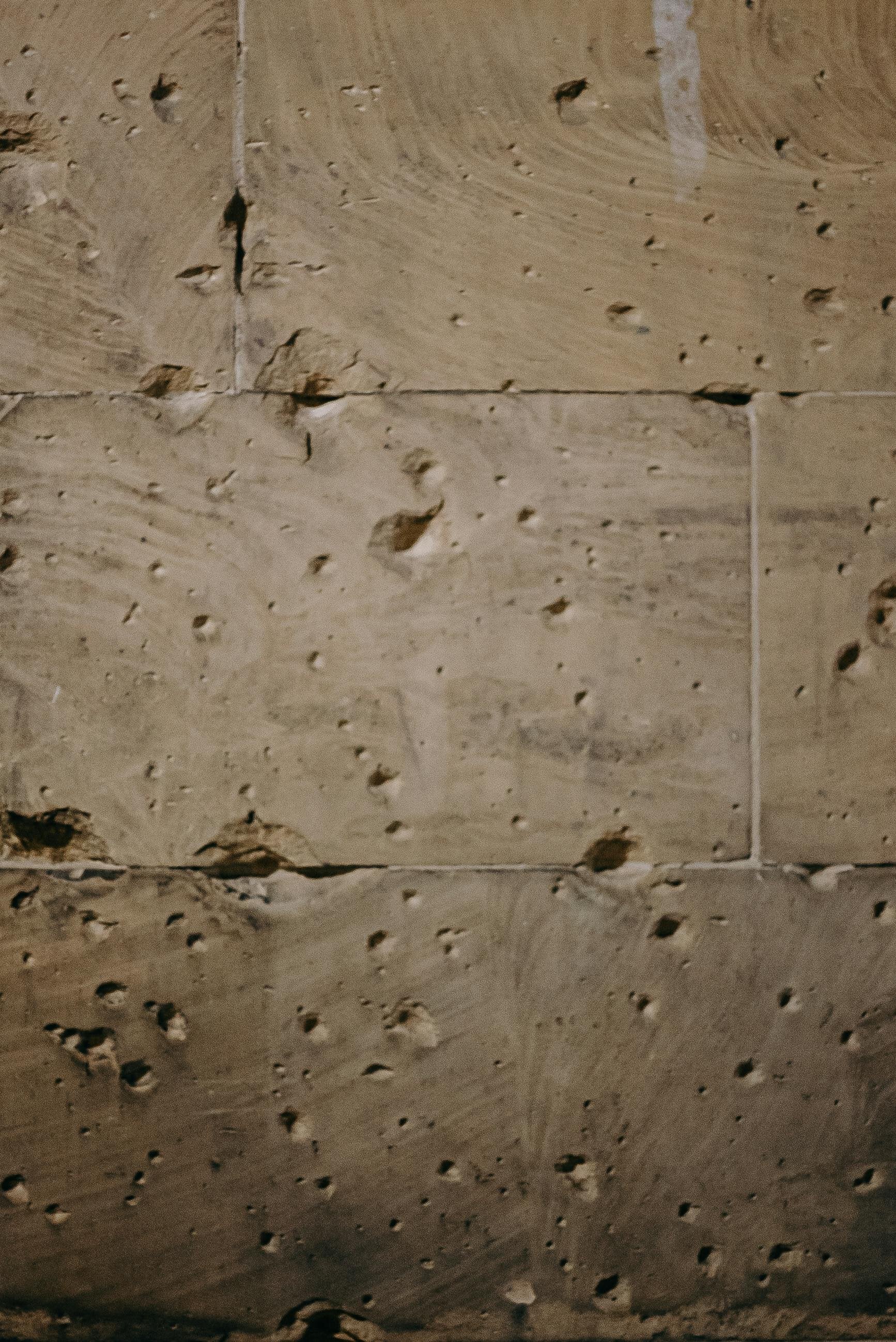
Understanding the shelter coat
A shelter coat is essentially a slightly thicker limewash, enhanced with fine aggregate, applied by brush, or airless spray, using appropriate equipment.
Its primary purpose is to fill any minor imperfections or cracks, predominantly found on external limestone substrates.
This traditional application creates a durable, protective
layer that is moisture vapour permeable, so allowing the important passage of moisture, and quite crucial for the ongoing conservation of historic buildings. by 'sheltering' the substrate from further damage/delapidation from the elements. It is not meant to be used as a long term 'fix' so further rendering with a limewash putty render mix is advised afterwards.

Why shelter coats are essential for old buildings
The importance of a shelter coat lies in its preventative capabilities.
It acts as a shield against unnecessary water ingress, which can potentially lead to significant damage through the natural freeze-thaw process predominantly found in colder/winter months.
By preventing unwated levels of water from penetrating the substrate, shelter coats help to avoid the deterioration and failure of valuable historical masonry.

Protecting against the elements
This method is chiefly used as a preventative measure, designed to protect and preserve the integrity of limestone structures, which can still be larer rendered over, pointed (in lime mortar), and Limewashed.
Those learning about limeworks will find this technique valuable for understanding how to safeguard traditional buildings from the harsh realities of weather.
By better helping to control both moisture absorption, and evaporation through natural capillarity, shelter coats play a key role in the long-term preservation architectural heritage.
And finally, raw linseed oil can be added to this if using the hot mixed method, which obviously affects the viscosity of raw linseed oil, ensuring a thorough integration of oil into the limewash itself, and whilst this may satisfy the mindsets of many Armchair Experts who still think that moisture only comes from the rain 🤣.
It does in fact, have a negative affect, in as much as it will reduce the natural capillarity of the lime, due to the linseed oil coating the insides of the capillaries of the lime, which in turn can reduce the necessary moisture vapour transerability of a shelter coat mix, so put your head on, and think on!