The silent decay: understanding wood rot
Wood rot is a common and destructive issue in period and listed buildings. At Heritage Lane, we believe understanding its causes and impact is the first step towards effective conservation. Discover the hidden dangers and how we can help protect your historic property.

Wet rot and dry rot: what's the difference?
Understanding the distinction between wet rot and dry rot is crucial for effective treatment. Wet rot, caused by fungi such as Coniophora puteana (cellar fungus), thrives in timber with a high moisture content (typically above 20%). It often appears as dark, softened wood, which can crumble. Dry rot, caused by Serpula lacrymans, is arguably more destructive as it can spread through masonry and plaster to find new timber. It often presents with a distinctive 'musty' smell, white or grey mycelial growth, and deep cracks in the timber. Both require addressing the source of moisture and appropriate timber treatment. Heritage Lane specialises in diagnosing and treating both types, preserving the integrity of your building.
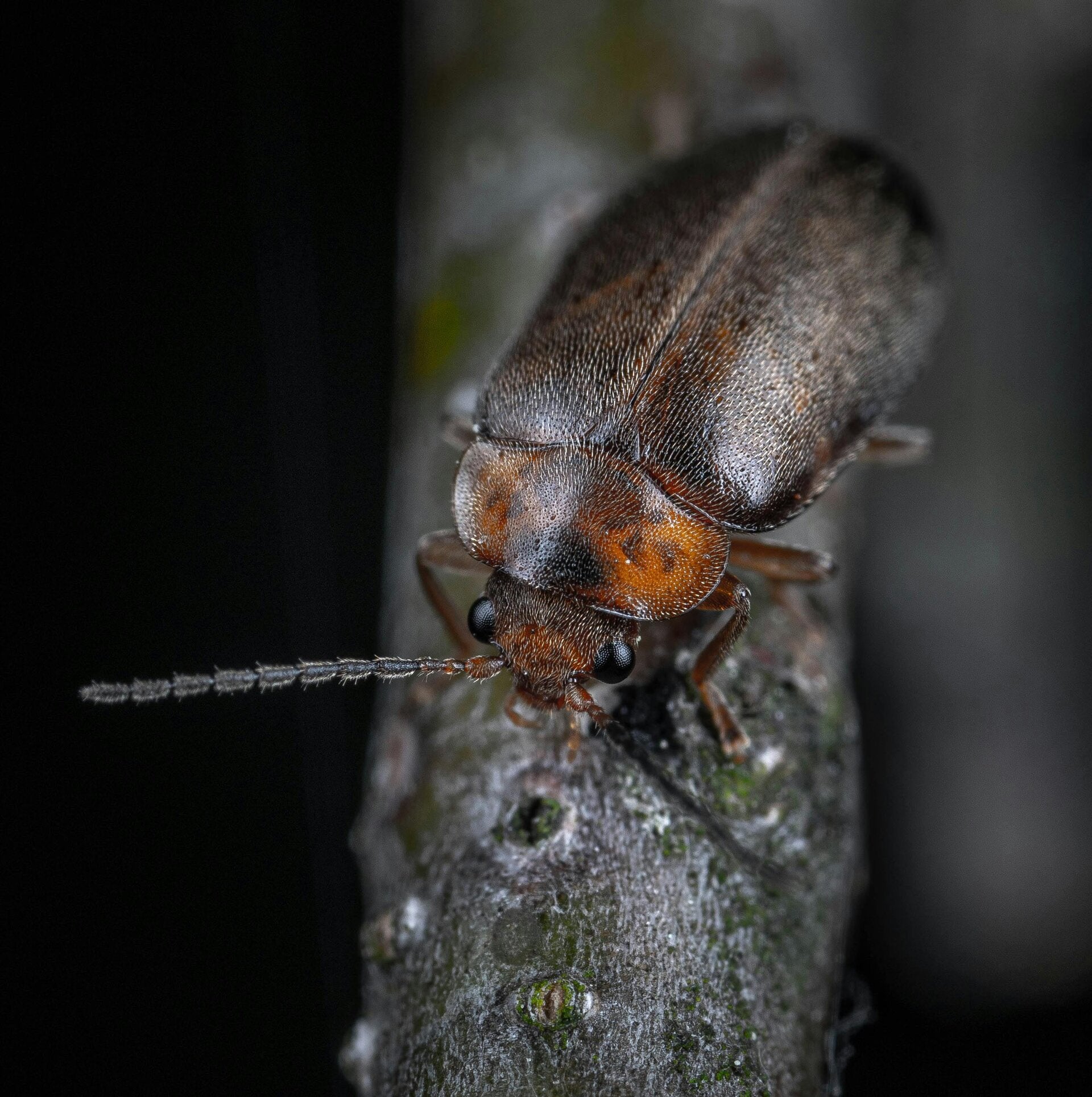
The unwelcome guests: beetles and rotting wood
Why are beetles and other insects so fond of rotting wood? The answer lies in their biology and life cycle. Many wood-boring beetles, such as the Deathwatch Beetle, and even common furniture beetle (woodworm) are attracted to damp and decaying timber because it provides an ideal environment for their larvae to feed and develop. The softened wood is easier to bore through, and the fungi responsible for rot can also be a food source. Furthermore, the increased moisture content often found in rotting wood creates a microclimate that is favourable for their survival. If you suspect an infestation, it's vital to address both the rot and the pests to prevent further damage. Heritage Lane offers expert advice and solutions for integrated pest and rot management in historic structures.

Moisture is the root of all timber rot
The single most important piece of advice to remember about wood rot is this: we create moisture. Whether it's through poor ventilation, leaky roofs, faulty plumbing, or "Rising Damp" (capillary action), moisture is the primary catalyst for both wet and dry rot. Identifying and eliminating the source of moisture is paramount to preventing and treating wood rot. At Heritage Lane, our approach to conservation always begins with a thorough assessment of your building's moisture dynamics. By addressing the 'we create moisture' principle, we empower you to protect your valuable timber elements and ensure the longevity of your period or listed building.