Understanding brick spalling:
preserving your building
Brick spalling can compromise the integrity and beauty of historic buildings. At Heritage Lane, we find the cause and fix the cause, by offering sympathetic, traditional solutions to protect and restore your valuable property. Discover how we can help safeguard your building's legacy.
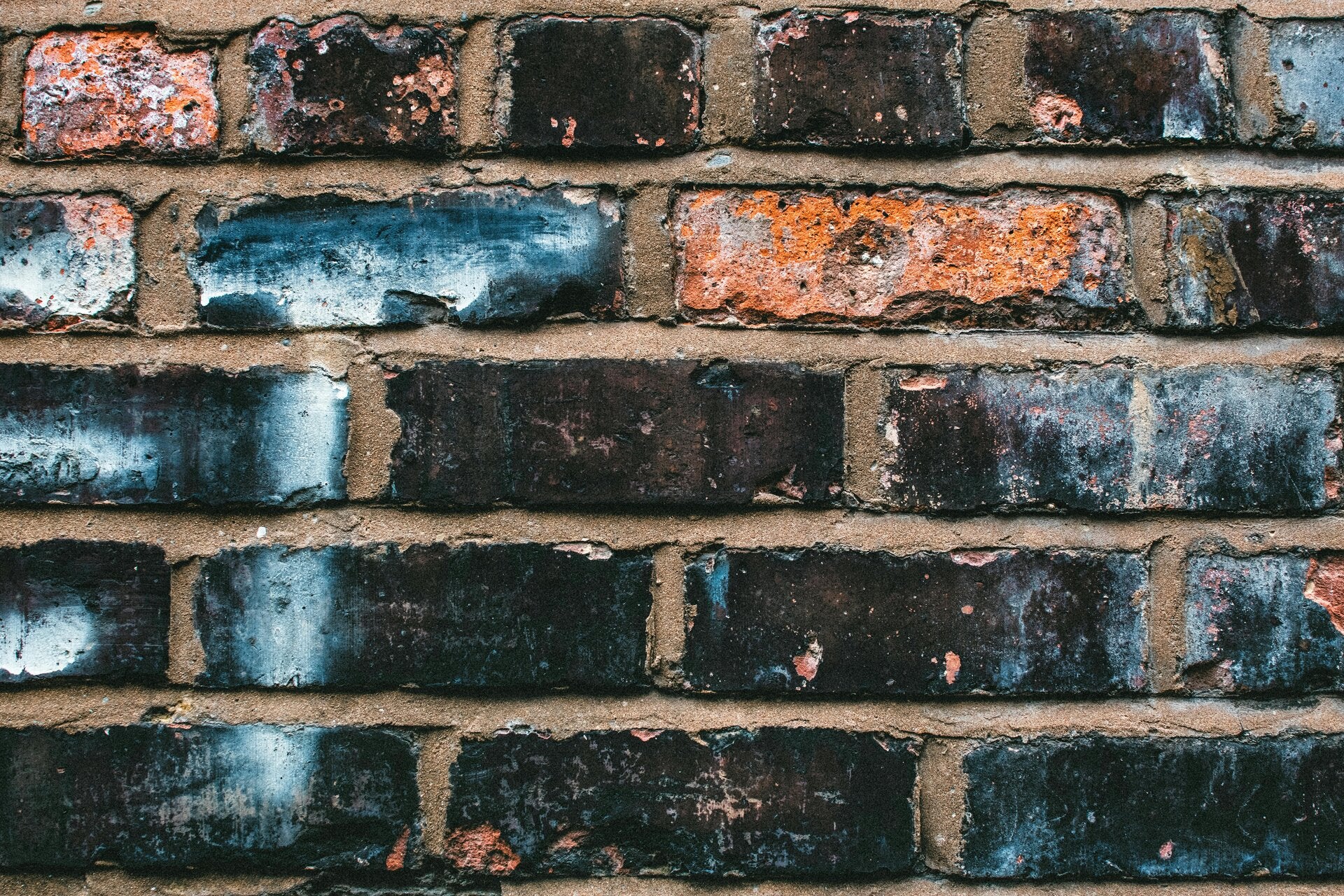
What is brick spalling?
Brick spalling occurs when moisture penetrates the brick, and it will because bricks are naturally porous.
The unfrozen water then is re-evaporated back out and up into the atmosphere to rain on someone else. But if this water freezes in the winter morning frosts, and then thaw again as the day warms (water expands/contracts by approximately 10% in volume as it freezes & thaws) causing the surface to peel, flake, or pop off, so effectively damaging the brick from the inside-out. This process weakens the brick and can lead to significant structural and aesthetic damage over time.
For old or listed buildings, brick spalling is a particular problem due to several factors:
- Original materials: Historic bricks were often softer and more porous than modern bricks, making them more susceptible to moisture ingress and freeze-thaw cycles.
- Inappropriate repairs: Past repairs carried out by armchair experts using hard, impermeable cement mortars can trap moisture within the brick, exacerbating spalling.
- Moisture Vapour Permeability traditional buildings rely on MVP wall systems. When these systems are compromised by non-breathable materials, moisture accumulates, and leads to spalling.
Understanding these unique challenges is the first step in preserving the character and structural soundness of your heritage property.
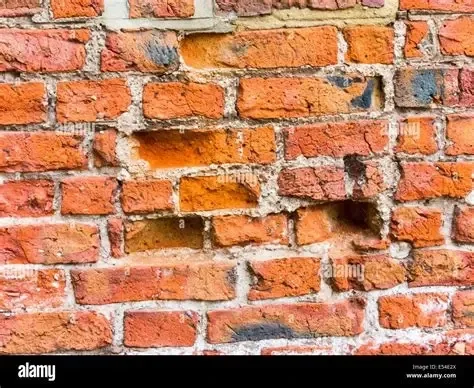
Our approach to spalling: traditional solutions for lasting results
At Heritage Lane, our approach to brick spalling is rooted in traditional conservation principles, ensuring the long-term health and integrity of your historic building. What makes our method special?
We begin by carefully cutting out and removing spalled bricks. Crucially, we then replace them using authentic lime mortar, not cement. This is vital because:
- Moisture Vapour Permeability (MVP) Is necessay: Lime mortar is naturally MVP, allowing moisture to evaporate naturally from the wall. This prevents moisture from being trapped behind the brick face, which is a primary cause of spalling.
- Flexibility: Lime mortar is more flexible than cement, accommodating the natural movement of old buildings (Remember, no building is a solid) without cracking, which can otherwise lead to further moisture ingress.
- Compatibility: It is sympathetic to historic bricks, having a similar porosity and strength, ensuring the repair works in harmony with the original structure rather than against it.
We know that knowledgeable crafts people are required here to ensure that repairs are not only effective but also aesthetically seamless, preserving the visual appeal and historical accuracy of your property.

Embrace the power of lime mortar capillarity
After reading about brick spalling and our solutions, we want you to understand the critical role of lime mortar capillarity.
Lime mortar has a natural network of microscopic pores that allow it to draw moisture out of the surrounding bricks and then release it into the atmosphere. This simulated 'breathing' action is essential for the health of old buildings and is a key defence against damp and spalling.
By choosing Heritage Lane, you are choosing a solution that works with your building's natural physiology, preventing future issues and ensuring its longevity. Explore our other pages like Lime Cycle and Rising Damp? to learn more about the benefits of traditional materials.
If you suspect brick spalling on your property, don't hesitate to reach out. Contact Heritage Lane today for expert advice and sympathetic repair solutions.