Information about Bungaroosh

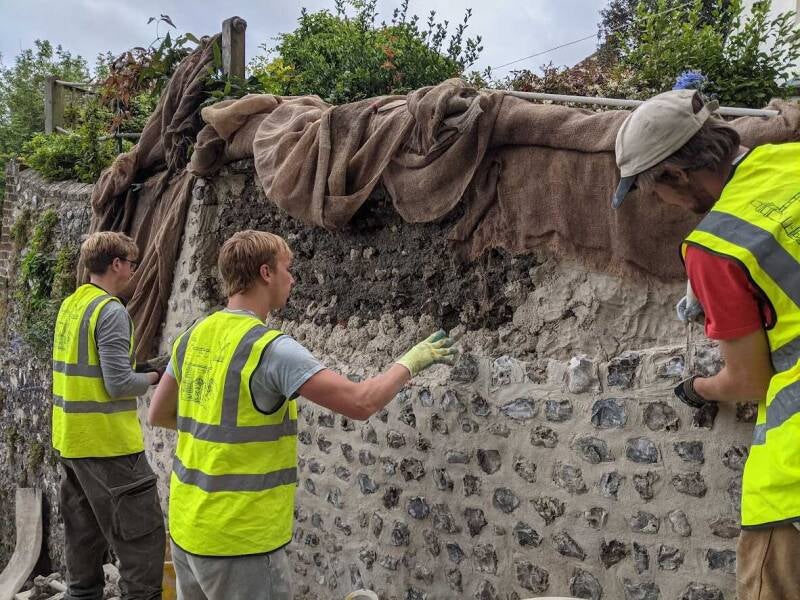
Bungaroosh is a traditional building material, common in some historic buildings, particularly in the south-east of England but not only found there. It's essentially a mix of whatever materials were readily available at the time of construction often rubble, flint, brick fragments, timber, and even old pottery, all bound together with a lime or chalk based mortar. Think of it as a historical 'limecrete' made from mixed-up bits and pieces, forming a solid but often irregular wall.


As described, Bungaroosh is an ancient building technique where a wall is constructed from a mixture of rubble, flint, brick, and timber fragments, all bonded together with lime mortar. It's not a uniform material but rather an eclectic mix reflecting local availability and builder's ingenuity.


Bungaroosh, a fascinating and often challenging building material, is a key consideration when working with historic structures. Taking pride and ensuring adaptability & commitment to excellence in every aspect of service, especially when it comes to understanding and often addressing unique materials like Bungaroosh, is always encouraged, aswell as being  seen as asign recognition to the Craftsen who built England's Heritage.
Understanding and dealing with Bungaroosh

Understanding Bungaroosh is, as is any other material, vital because its unique composition means it behaves very differently from modern building materials. Its varied nature makes it less predictable than brick or stone. Proper conservation requires a good understanding of its moisture transferability, but also its susceptibility, and therefore its structural characteristics to avoid damage during repairs or alterations, which could compromise the building's integrity and historical value.

Where did the stones come from?

The 'stones' and other aggregates in Bungaroosh walls would typically have come from locally sourced materials. This could include flint from chalk downs, demolished fragments from older buildings, beach pebbles, or even quarried stone, depending on the region's geology and available resources at the time of construction.

Issues to check for

When inspecting Bungaroosh walls, check for common signs of dampness, crumbling mortar, bulging or leaning sections, cracks, and inappropriate modern repairs (like cement renders) that can trap moisture and accelerate decay. Also, check for structural movement and the general condition of the materials within the matrix.