Hemp: Ed Milliband! Here's a clue: Mother Nature gave us Hemp for free, so stop wasting huge amounts of OUR money, and learn instead.
Whilst todays armchair experts probably only know of hemp for one reason, we know a lot more about the incredible potential of hemp in the conservation, restoration and period and listed buildings, plus also the real, less smokey qualities of Hemp, and why we know it's an indispensable material for preserving our architectural past, whilst ensuring the fuuture.
We here at Heritage Lane champion its use for sustainable, moisture Vapour Permeable (MVP), and enduring solutions, whilst also ticking the important modern day boxes of sustainability and Co² reduction in the Global Construction Industry itself, and the associated man made, industrial processes currently used.

What is hemp?
Hemp originated in Central Asia, and Hemp cultivation for it's fibre was recorded in China as far back as 2800 bc. It was then expanded into Europe along with the Asian originated skills, and furthered in Mediterranean countries, before spreading even further throughout the rest of Europe during the Middle Ages.
Hemp was then later transported to, and planted in the South Americas, starting first in Chile in the 1500s and a century later it expanded into North America.
Hemp, which is derived from the Cannabis "sativa" plant, is an incredibly versatile and rapidly renewable natural plant.
For period and listed buildings, it's processed into various forms such as "hempcrete" (hemp shiv mixed with a natural lime binder: another material that ticks all the above boxes), but is also used in insulation batts, and fibreboards.
Unlike modern materials, hemp offers superior moisture management and thermal performance, making it ideal for maintaining the required balance within every historic building and any associated structures. We are dedicated to making the argument of how this ancient crop provides, not only solutions for conservation, but can, and should also be easily incorporated in todays new builds, plus we'll add some of the fantastic reasons to use Hemp.
The Hemp plant generally grows up to around 5 metres, or 16 feet in height, and comfortably survives on a few inches of monthly rainfall, and doesn't need any insecticides or pesticides as it grows.
Why hemp for heritage structures?
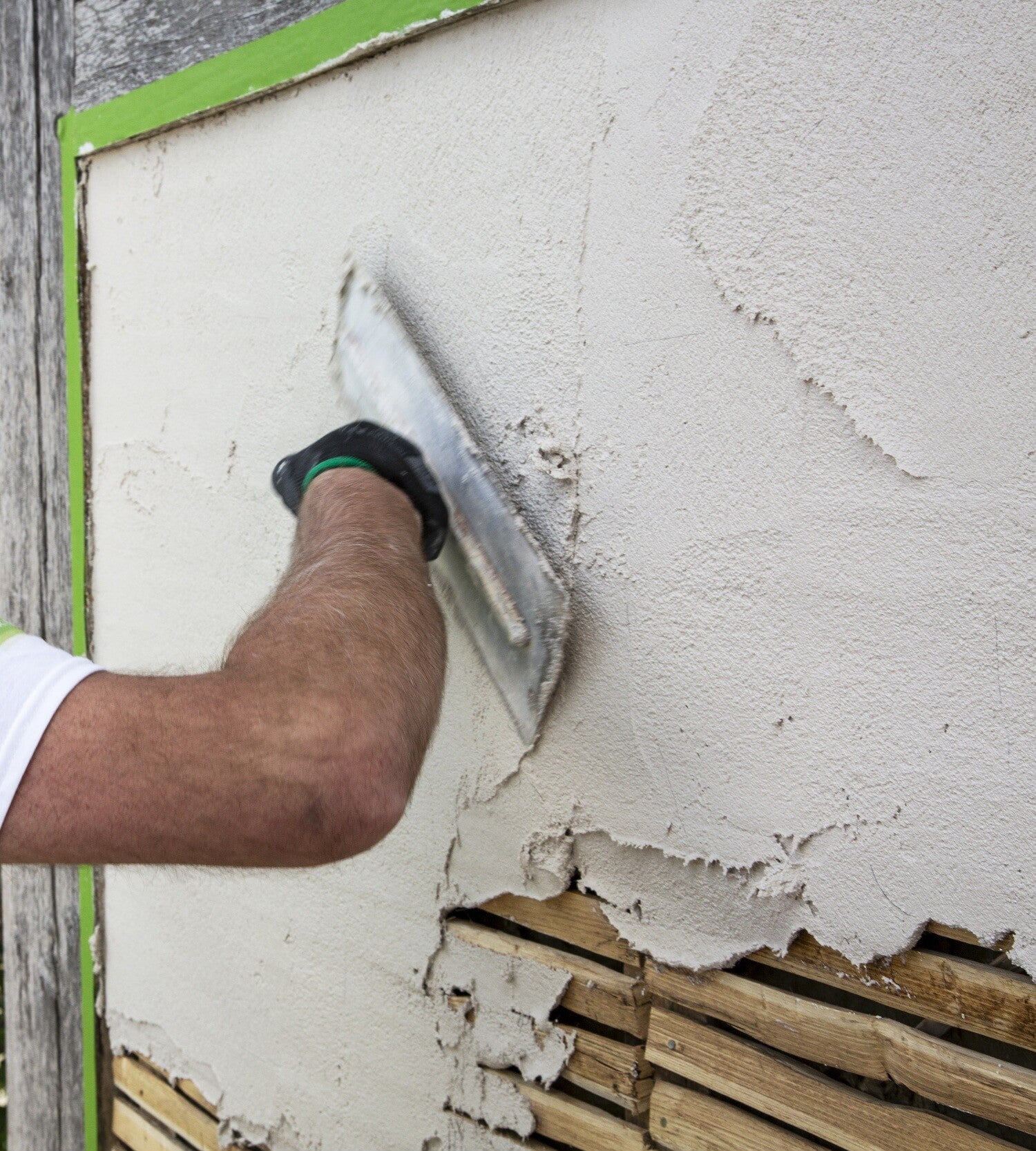
We advocate for hemp in heritage projects because of its exceptional compatibility with traditional building materials, it's use in CO² retaining "hemp blocks" which are construction forming and are also insulating, so it can serve a critical role in preserving the integrity of period and listed properties. Hemp-based products are naturally moisture vapour permeable; preventing moisture build-up that can lead to the damp, rot, decay, and fungal growths that are often seen in poorly maintained buildings.
When used correctly, combined with other natural materials, Hemp provides excellent thermal insulation without trapping moisture, supporting a healthy indoor living environment, especially along with the natural biologically hygienic qualities of lime; protecting the building fabric by reducing the risks of structural damage and maintaining a healthy living environment.
Hemp's natural insulating superiority
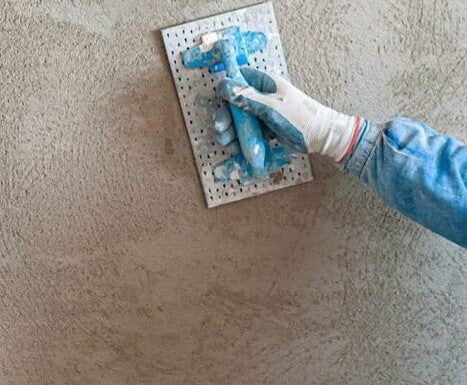
Hemp's natural fibres create a highly effective thermal barrier, significantly improving the energy efficiency of historic buildings without compromising their original design or breathability. It naturally absorbs, and then releases moisture which helps to manage humidity levels, which further prevents the risk of condensation and subsequent mould growth formation. This unique ability makes hemp an unparalleled choice for its use to external walling; contributing to both the comfort and the health of the building, and the human beings who occupy that building as family's with their pets.
Sustainable solutions for Heritage structures?
We believe in preserving our historic past while also building a sustainable future and Hemp both embodies, and enforces our philosophy perfectly.
Not only is It a natural, rapidly renewable crop, it's also carbon-neutral because it absorbs more CO2 during its growth than it emits during its processing; making it an effective atmospheric Co² reducer. So choosing hemp for both Heritage, and modern day building projects and/or developments not only enhances the performance and longevity of our historic buildings, it also aligns with modern day EPC requirements, the Building Regulations concerning Energy Efficiency, and eco-friendly principles whilst providing a truly carbon-neutral solution. So it's a choice that benefits you, your property, the planet and the future.
Healthy Eating?
Hemp seeds have been gaining popularity again worldwide, which is a good thing. Hemp seeds are nutritional, and give good health benefits. Derived from the seeds of the hemp plant (Cannabis sativa), they are small, nutty-flavored seeds that are often called a “superfood” due the proteins, healthy fats, and essential nutrients they contain. While hemp belongs to the same plant family as marijuana, hemp seeds contain negligible amounts of (tetrahydrocannabinol) (THC), which in larger amounts is the psychoactive compound that today's armchair experts smoke a lot, but in negligable amounts the Hemp Plant seeds are safe for consumption. This brief guide will hopefully provide you with some very good facts about this great plant.
Hemp Fibres?
The Hemp fibre is naturally longer, but less flexible than the Flax plant fibres that are used in making "Linen", making the Hemp Plant fibres useful in making some outdoor clothing, cords, ropes, sacks, and furthermore today's biodegradable microplastics used in the manufacture of biodegradable refuse sacks, for example. When clipped to much shorter lengths, we then gave a material that we cannot add to lime mixes to create insulating mixes.
So if you've ever wondered why dampenered Hemp Sacking has been used for centuries to slow down the evaporation of the guaging water added to externally used lime mortars and renders during the Summer months, and then also used as dry "blankets" to prevent freezing of that same gauging water during the cold/chilly freezing months, and further, you understand the lime cycle you should by now have a much better idea.
PAPER
Hemp can also be used as an alternative to trees when it comes to paper making, so simply put, hemp pulp paper as opposed to wood pulp paper.
Fire resistance
Tests have shown that Hemp easily withstands direct flame heat in excess of 900 degs Celcius, so another superb quality for domestic buildings.
A bit more about insulation qualities & so called "rising damp"
Lime mixes (plasters and renders) are not typically good insulators in their own rights for various reasons eg, the type of sand used (river or sea) (washed or unwashed sand (unwashed sands will contain salts, either natural
earth salts or sea salt - salts add weight, and particularly given that hygroscopic salts will absorb and retain more moisture than efflorecent salts ) plus of course there's the stone added, ie the type and size, and all of these considerations simply means too many variables, plus whilst the natural capillarity of lime is another essential material for moisture management, there is of course the obvious, but often overlooked and often misunderstood fact of wet walls being cold walls. But the addition of hemp changes the dynamics of, for example, a lime plaster mix, into a hemplime plaster mix. Hemp itself generally sits at around 0.038 - 0.045.w/mK whilst still maintaining the very necessary beauty of capillary action which does help to keep walls dry, if there is too much moisture in the walls. And that's another issue that people do need to understand and we have another page explaining the risks to your pockets when you listen to the armchair experts too much, so just click HERE where we explain the truths about the mythycal "rising damp".