Uncovering ancient protections:
Apotropaic marks
The term apotropaic (pronounced: a-po-tro-pic) derives from the ancient Greek word 'apotrépo', literally meaning "to ward off' (or protective magic to ward off) or protect from harmful or evil influences, as in to turn away harm or evil influences such as misfortune or 'averting the evil eye'.
These marks would often be used due to superstition, or for good luck (i.e. keeping your fingers crossed today) historically evidence has been discovered of amulets and gauntlets worn, which were also marked with apotropaic marks.
Apotropaic marks are symbols carved into the fabric of old buildings, they have also been found in cave systems used long before houses, and appear to have been used more often near openings like doorways, windows, and fireplaces, often with pagan origins. These marks were historically believed to ward off evil, misfortune, or malevolent spirits, offering protection to the inhabitants and the structure itself. They are a fascinating glimpse into the superstitions and beliefs of previous eras, serving as a tangible connection to the past. Understanding these marks is key to appreciating the full history and intended purpose of traditional buildings.


Conserve these historic marks
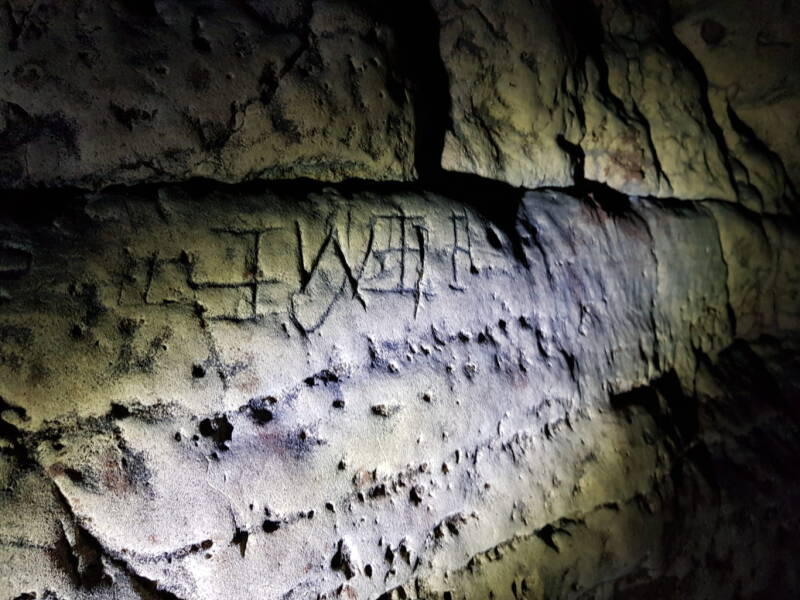
We recognise the profound cultural and historical value of apotropaic marks, like the "daisy wheel" (for example shown right). Our love of traditional buildings and historical living extends to helping owners to recognise and preserve these unique features. We believe that these ancient symbols should be protected due to their early influencial shapes often depicting the early knowledge and importance of mathematical/geometrical shapes, allowing their stories to endure for future generations. We hope you also conserve historic marks, ensuring they are not lost to time or misunderstood.
Who benefits from learning about apotropaic marks?
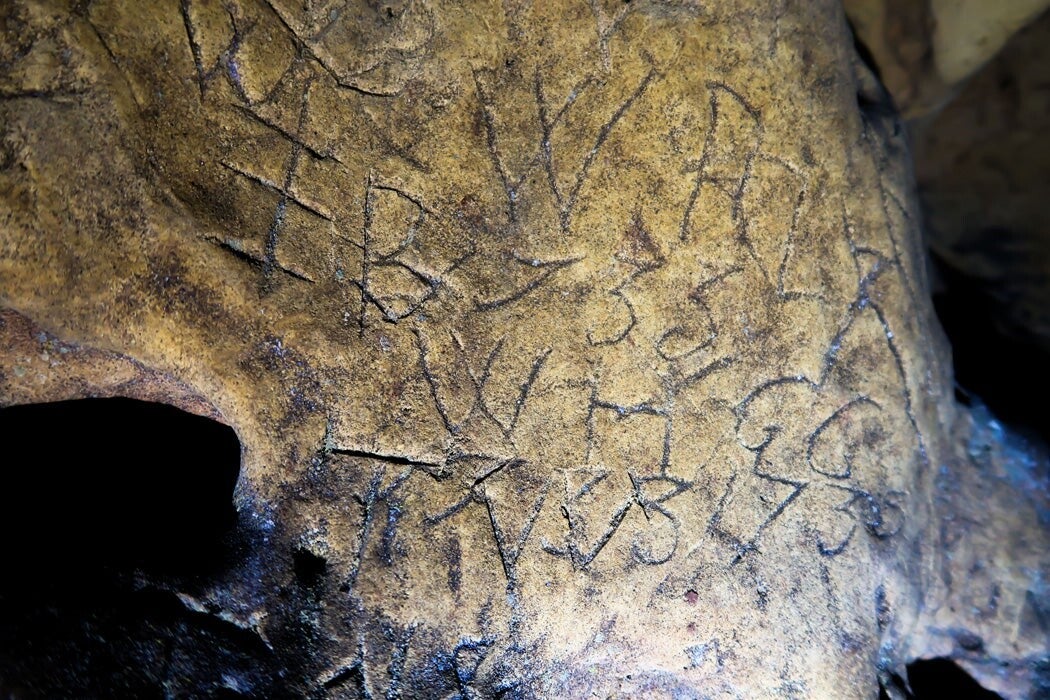
This page is particularly beneficial for homeowners of traditional buildings, heritage enthusiasts, and anyone with an interest in the hidden histories of structures. Understanding apotropaic marks can enrich your appreciation for your property's past and empower you to protect its unique heritage. Homeowners can get an idea of history, fostering a deeper connection with their historical property, or even of how witches were kept away (example left)
Don't mistake apotropaic marks with carpenter's marks
We are presenting this merely as a other skill needed in restoration/ conservation projects, and this where our works mingle with archaeology, as yours must do, unless of course, you like being one of today's arnchair experts.
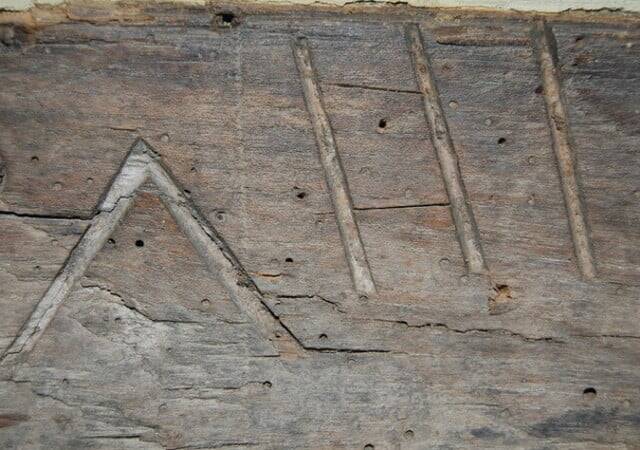
Carpenters often carved numerics in timbers to denote how individual timbers prepared away from the build, should be assembled once inside the building. Carpenters Marks were generally carved using Roman Numerals, with up/down fitting directions, and whilst still rare to find these days, they are very different, (early IKEA instructions 🤣) eg shown below: