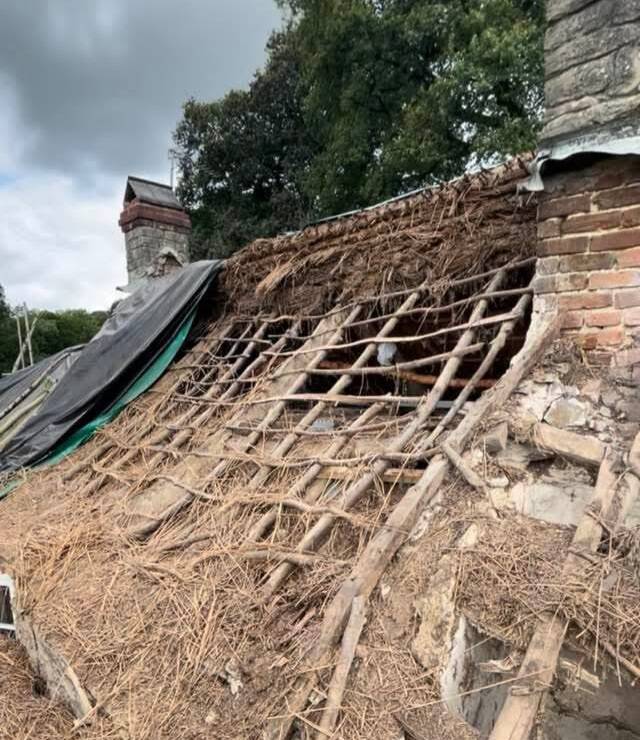
Information about thatched roofs

Aesthetically pretty, biscuit tin & chocolates box lids were always good areas used for "eye candy", but  understanding a bit more about the unique charm, and challenges of thatched roofs, especially for old or listed buildings is essential information for homeowners, buyers, surveyors, and architects to help you preserve and understand these beautiful, historic structures. We are not roof thatchers, and don't profess to be. We will simply offer some pointers. A reputable and experienced roof thatcher is the expert, so We've added a link to help you HERE

Commonly asked questions

about thatched roofs

Thatch roofs are a distinctive feature of heritage properties, demanding specific knowledge and care. Our insights are rooted in quality and integrity, ensuring you receive the best guidance on maintaining and assessing these historical elements.

Things to know about thatched roofs on old or listed buildings?

One crucial aspect to understand is the cost of re-thatching. This can be a significant expense and varies greatly depending on the material, size of the roof, and the complexity of the design. Additionally, specific materials and traditional methods are essential for preservation, often mandated for listed properties.

The key downfalls to look out for with thatched roofs?

Look out for signs of wear and tear, such as thinning thatch, moss or algae growth, and damage from birds or vermin. Water ingress, particularly around valleys and ridges, can lead to serious structural issues. It's also important to be aware of the fire risk and insurance implications, so loose obtaining electric cables shouldn't be overlooked.

Who is this page designed to help?

This page is specifically aimed at helping potential buyers, homeowners, surveyors, and architects who are dealing with or interested in properties featuring thatched roofs. We aim to address their common questions and concerns regarding these unique structures.

Why are traditional materials and methods crucial for thatched roofs?

Using traditional materials like water reed, wheat reed, or long straw, along with time-honoured techniques, ensures the roof's longevity, aesthetic integrity, and compliance with heritage regulations, especially for listed buildings. It also allows the roof to breathe and perform as intended.

Questions people often have about thatched roofs?

Common problems include understanding maintenance schedules, identifying potential repairs, assessing re-thatching costs, and navigating planning Lisred Building Consent (LBC) applications for listed buildings. Questions often arise about water ingress, insect infestations, and how to find qualified thatch specialists.

How can I assess the condition of a thatched roof?

Look for an even thickness across the roof, with no significant dips or hollows. The ridge should be neat and well-maintained. Check for any areas where the thatch appears sparse or where water might be pooling. A professional survey by a thatch expert is always recommended.

What are the average costs associated with re-thatching?

Re-thatching costs can vary significantly based on the material (water reed is generally more expensive than straw), the area of the roof, and the complexity of the detailing. It's advisable to get multiple quotes from specialist thatch companies and factor in scaffolding and potential timber repairs.

What is the ideal next step after visiting this page?

After reviewing this information, we recommend you delve deeper into our section titled:  "The downfalls to look out for" in our section, and seek further expert advice on your thatched property.