Part 3: Sprigs and Putty
Learn the basics of traditional window glazing; a good place to start on calling yourself a 'restorer' and ensuring your windows are not only beautiful but also historically accurate and durable.
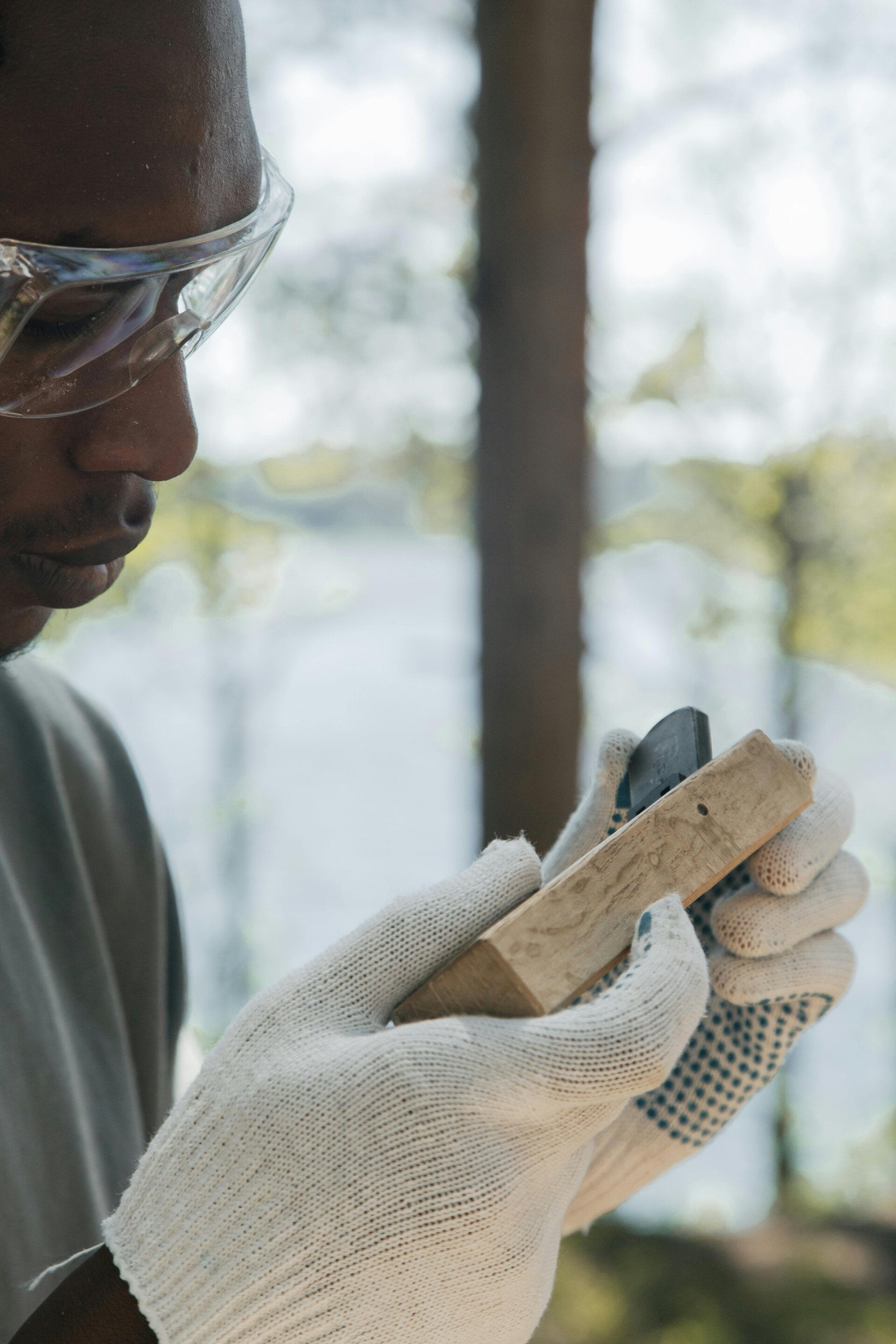
What makes traditional glazing putty unique?
In authentic restoration. (Not the word you've hijacked so you think you sound intelligent nowadays) traditional Linseed Oil Based glazing putty is needed.
Crafted from traditional ingredients, typically linseed oil and powdered chalk (known as whiting). This time-honoured composition allows the putty to remain flexible, accommodating the natural movement of timber frames and glass, unlike modern alternatives. This flexibility is crucial for the longevity and integrity of windows in older properties, preventing cracks and ensuring a lasting seal. It’s what makes up,part of the building's history.

Who needs to know about linseed oil based glazing putty?
Conservators, and those like to think they're 'restorers', aswell as homeowners genuinely dedicated to preserving the historical accuracy and structural integrity of their traditionally built properties.
Correctly used, traditional putty addresses common problems such as failing seals, draughts, and water ingress often found with outdated or inappropriate modern sealants. By using traditional putty, clients maintain authenticity, enhance thermal performance, and ensure their 'real restoration' works will stand the test of time, respecting the original construction methods of their buildings, AKA something we're certainly not seeing these days.

Essential advice for first-time users
The most important piece of advice we can offer for first-time users is to understand the natural, and very imortant moisture passage through glazing putty.
Traditional glazing putty is Moisture Vapour Permeable thanks to the natural lattice formation of dried linseed oil, mixed with time honoured composition of whiting allowing a small amount of moisture to pass through.
This is not a flaw, but a critical feature that prevents moisture build-up within the window frame, which can lead to rot and decay in older timber. Always ensure the putty is applied correctly, allowing for this natural exchange.
Resist the urge to over-paint it (again using linseed oil based paints, not water based rubbish, too quickly as proper curing is key for long-term performance.
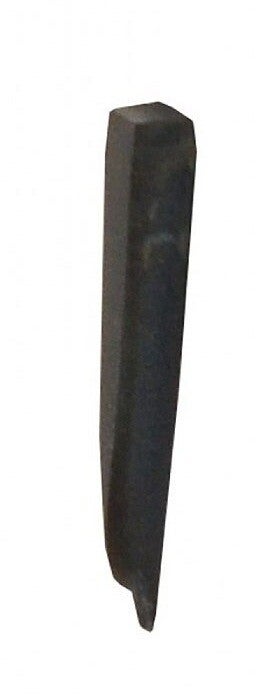
The crucial role of glazing sprigs
Beyond the putty itself, understanding the purpose of glazing sprigs is vital. Firtly though, prime your glazing rebates! This gives a bit more protection from any moisture getting into the window frames, and causing rot and decay. The glazing putty will adhere to primer, so no need for dramas.
Sprigs are small metal pins, also known as glazier's points or brads, are inserted into the window rebate before the putty is applied. Their primary function is to securely hold the glass pane in place while the putty cures and hardens.
Without sprigs, the glass might shift before the putty has dried, leading to cracks or an insecure bond. Sprigs are an integral, often overlooked, component in achieving a stable and durable glazing installation, which is particularly important in real restoration, where every detail counts.
Tip: sprigs are tiny, but essential! They're approximately 15mm long, so can be tricky to install; hammer the sprigs into the sides and top of the frame, remembering that glass is fragile! (generally one per side) but not in the bottom of the frame where any rain is most likely to penetrate aging putties, then rust any iron based sprigs, and crack the glass (don't forget, you might see the paint coating, but sprigs are made from iron; iron that expands as it rusts (oxidises)) so as always: never assume.