The Inquisitive mind prevails ...
where the assumptive mind fails
We created that phrase 30years ago to try and educate people .. yet here we are still trying 🤔
Are old houses really cold, damp, and mouldy? Many DIY homeowners find themselves battling these issues, despite thinking building is easy. Yet today, We still see far too many people just repeating the same mistakes made by previous novices, with shoestring budgets, that made their homes cold, damp, and mouldy!
Madness is repeating the same event over and over, but expecting different results.
This raises a very good question:
Will people ever actually learn? 🤔

Why are so many today just repeating history?
It's a common lament among owners of traditional buildings: despite efforts to improve them, homes were made into cold, damp, and prone to mould, homes. This isn't bad luck; it often stems from a lack of understanding of traditional building principles, sciences and the improper use of modern materials that are incompatible with older structures. We believe in learning from the past, not repeating the same mistakes, to better ensure the future of your home.

Old houses were not designed and built to be cold, damp, and mouldy
The perception that old houses must be cold, damp, and mouldy is a myth we aim to debunk, the difficulty is debunking silly humans first.
Watch our video :
https://www.youtube.com/watch?v=r5XlMxMNzD4
Properly maintained, historic homes can be, and are comfortable, healthy, hygienic, and energy-efficient in the right hands. Many issues often arise when inappropriate modern interventions, such as impermeable paints or harsh chemicals, and PIR insulation boards disrupt the natural moisture permeability and management necessary in older buildings. Our RISING DAMP?
Page covers the laziness of humans, we provide this website, F O C, to help people, and guess what people today won't do? - Read
Armchair experts only have the right hands for operating the TV remote control.
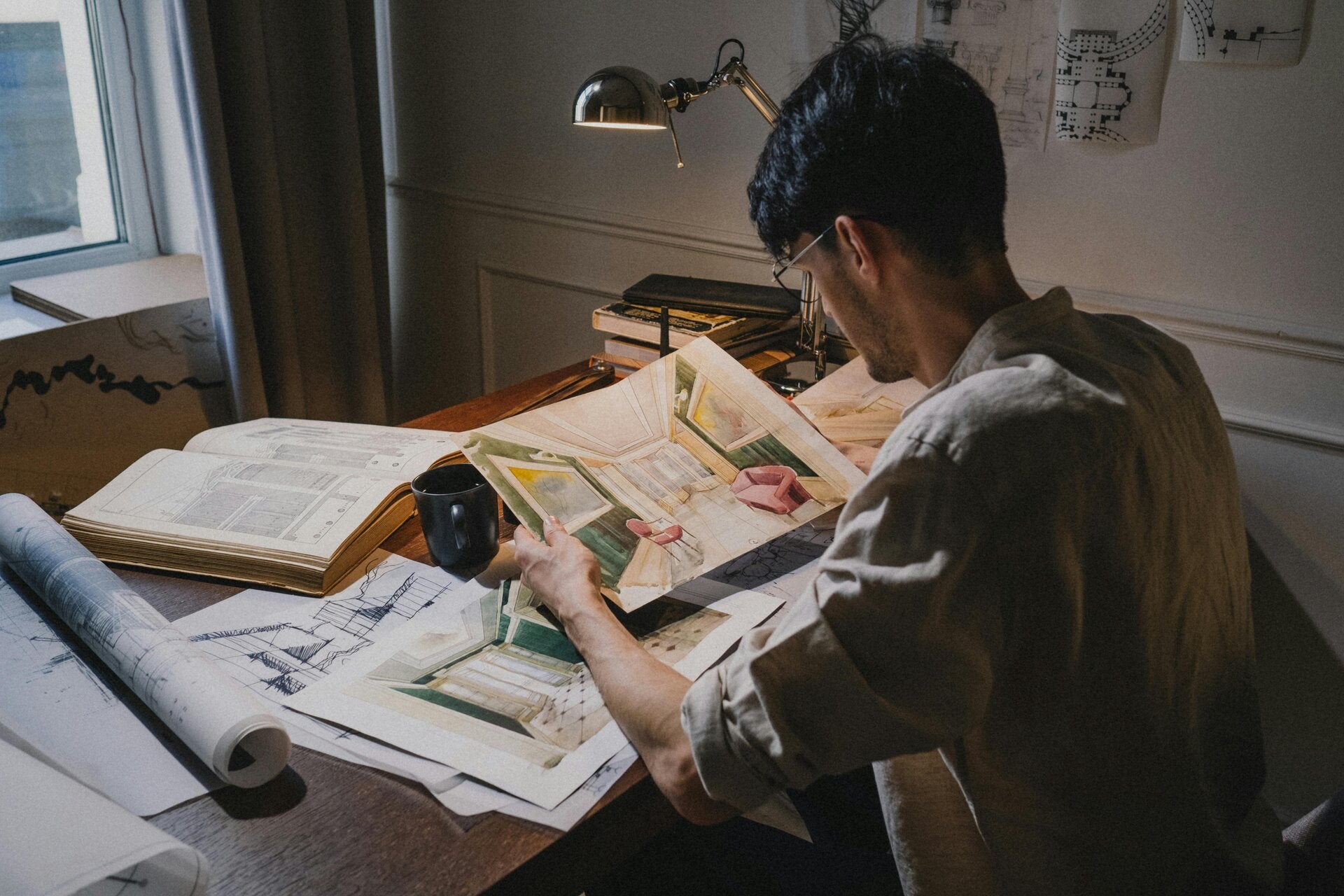
Stop repeating the same mistakes again, and again; that's just madness
The anglo Saxons used to build roundhouses by burying dead tree trunks in the ground, and the tree trunks rotted. But of course tree trunks are big and strong.
2000 years later people still sink their timber (dead trees, assumptive minds?) fence posts in the ground, and get upset when their garden fence falls over due to ground moisture and capillary action: not exactly mastermind thinking is it?
We're not into reinventing wheels, so have a read about the laws of motion, in particular Sir Isaac Newton's third law, on our page HERE
Science is vital.
We try to empower DIY homeowners to understand the unique needs of their properties, preventing costly and damaging mistakes. From understanding the importance of lime, it's properties, it's benefits, and any hindrances is sensible in identifying the root causes of damp for example; our resources help to guide you to make informed decisions that honour your home's heritage.
Stop all this nonsense of thinking you must block moisture - working with it is what you should do.
Very simply put: when will people actually learn?