

The chemistry of unlocking building secrets
Welcome to the fascinating world where the ancient art of building meets the precise science of chemistry. At Heritage Lane, we believe that understanding the fundamental chemical reactions behind building materials is key to successful and sustainable restoration and/or conservation projects. Dive in to discover why chemistry is not just for laboratories, but for every historic wall, every crumbling facade, and every restoration project.
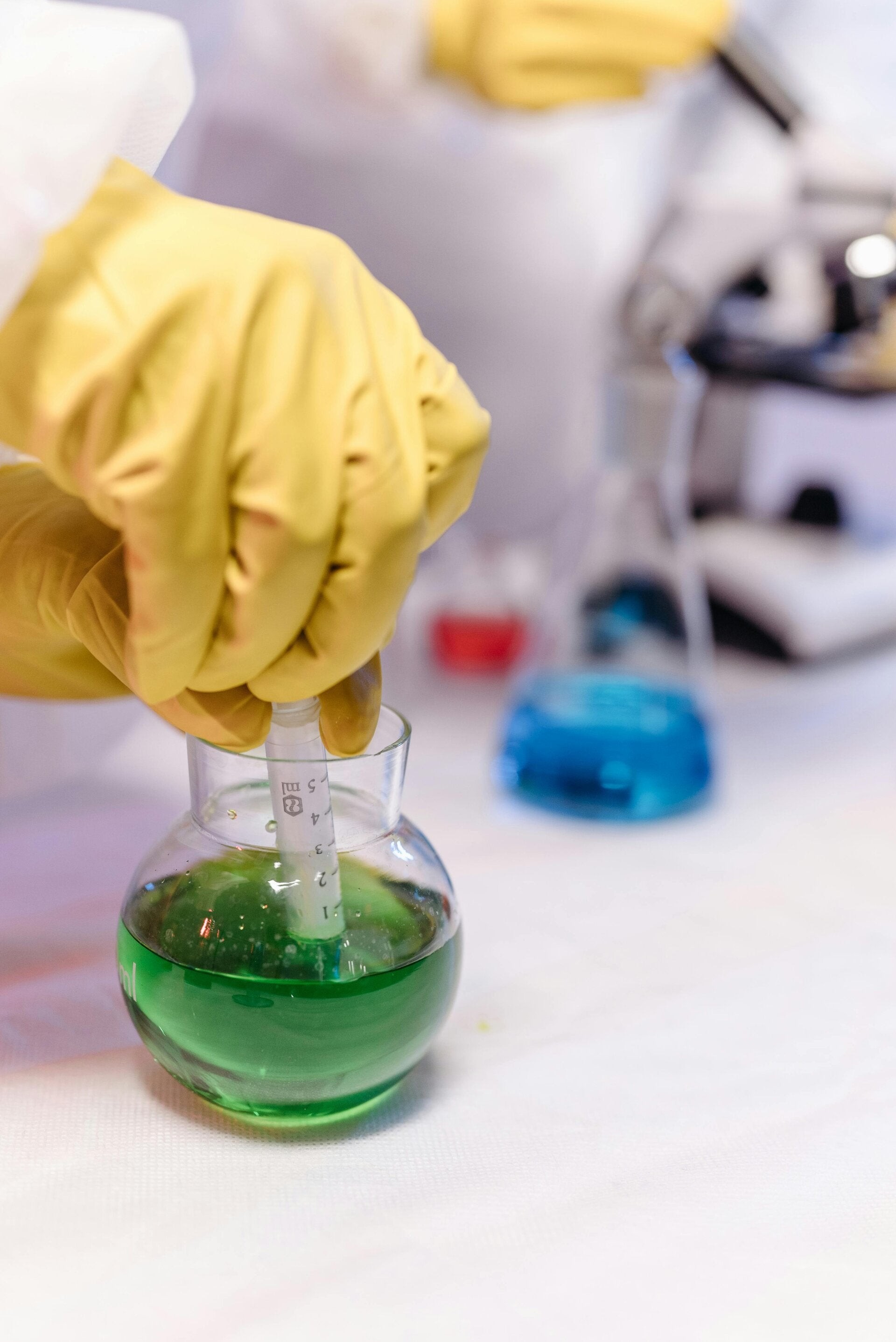
Why is knowledge of chemistry needed in building conservation & restoration?
Chemistry, at its core, is the study of matter and how it interacts. In the realm of heritage conservation and restoration, it’s about understanding the composition of historic materials like lime, stone, timber, and paint, and how they react with their environment over time.
From the carbonation of lime products to the decay of wood, every process has a chemical explanation.
This knowledge empowers us to make informed decisions for repair and preservation, ensuring our cherished buildings stand for generations to come.
Armchair experts aren't real experts for good reason.

Here's a nice 'n easy list to help with 😃
These are only some of the easy subjects that GCSE level sciences dont explain.
First things first
Cleanliness is next to Godliness
Abrading, Not sanding 🤣
Abrasive papers
Ask yourself: why?
Banisters 🤣
Black Bitumen Paint
Colour
Disemper
Emulsion paints
Flax Plant seeds
Glazing p1 Intro
Gazing p2 types of glass
Glazing p3 sprigs & Putty
Glazing pt4: Putty finish
Glazing pt5: painting
Lead Based Paints
Lining paper?
Lining Paper for making good?
Linseed Oil Paints
Microns?
Mould cleaners?
Paint Brushes
Paint Stripping?
Paint Viscosity
Pliolite
Rabbit skin glue
Radium based paints?
Rust!
Shellac
SEALANTS:
Oakum
PVA - really?
Silicone?
CONT'D
Steam stripping - why?
Thermosetting
Two-part fillers
U/V light
Ver de Gris
Wall Caulking
wall filling
Window tax?
Zinsser - why?
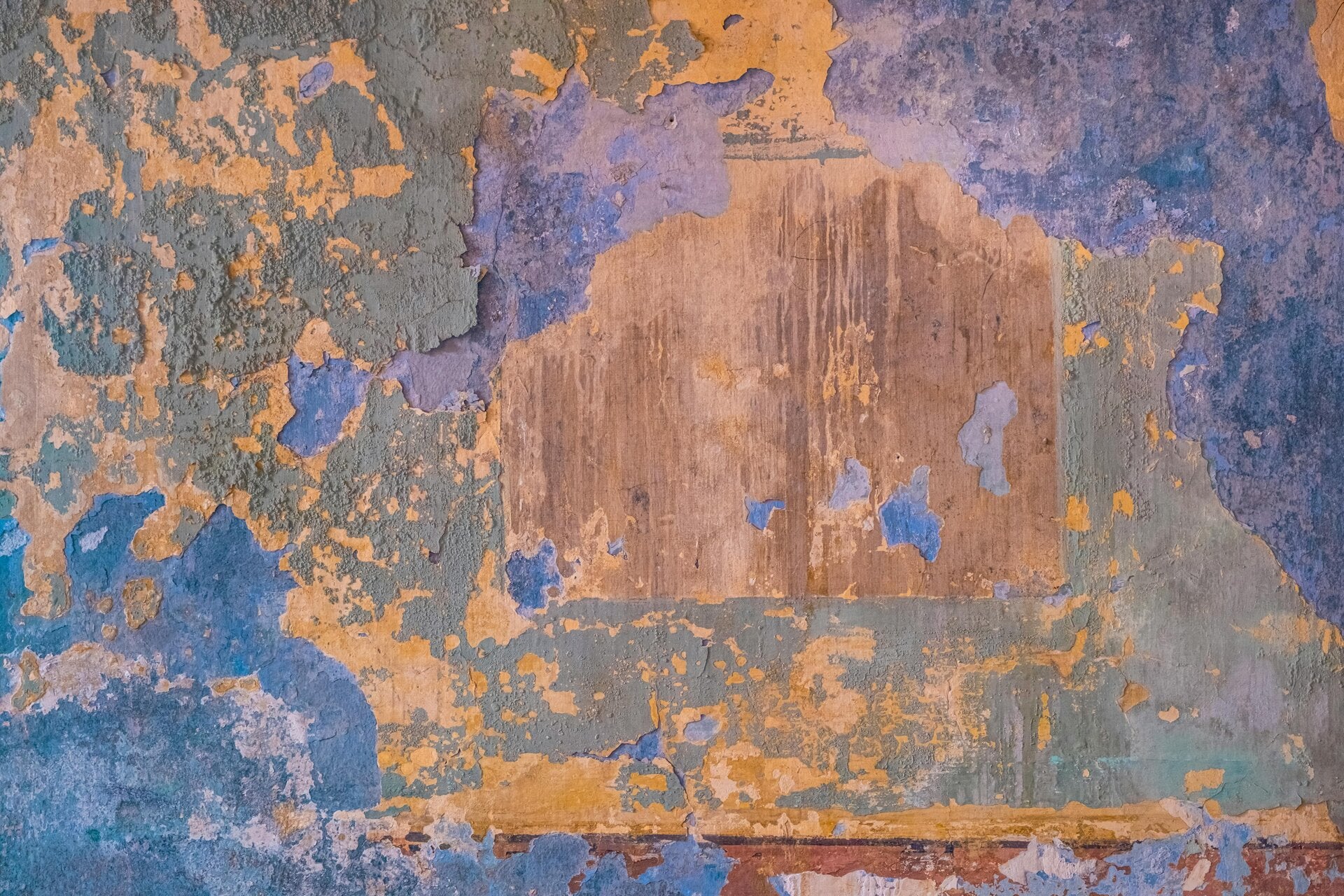
Unravelling reactions: some coverings/coatings and substrates react, not interact
One of the most important takeaways from understanding building chemistry is recognising why different coverings/coatings and substrates react the way they do.
This includes issues like paint adhesion, moisture movement, salt crystallization, and the interaction between new and old materials. Knowing the chemical reasons behind these phenomena empowers you to predict and prevent problems, ensuring the longevity and health of the structure.
When it goes wrong, it goes wrong, then knowing exactly why, and how to reverse that chemistry is where the Armchair often appears!