

Rabbit skin glue: a heritage staple
Uncover the timeless utility of rabbit skin glue, a traditional material essential for authentic conservation and restoration. Learn about its historical significance, unique properties, and how it continues to serve heritage projects today.
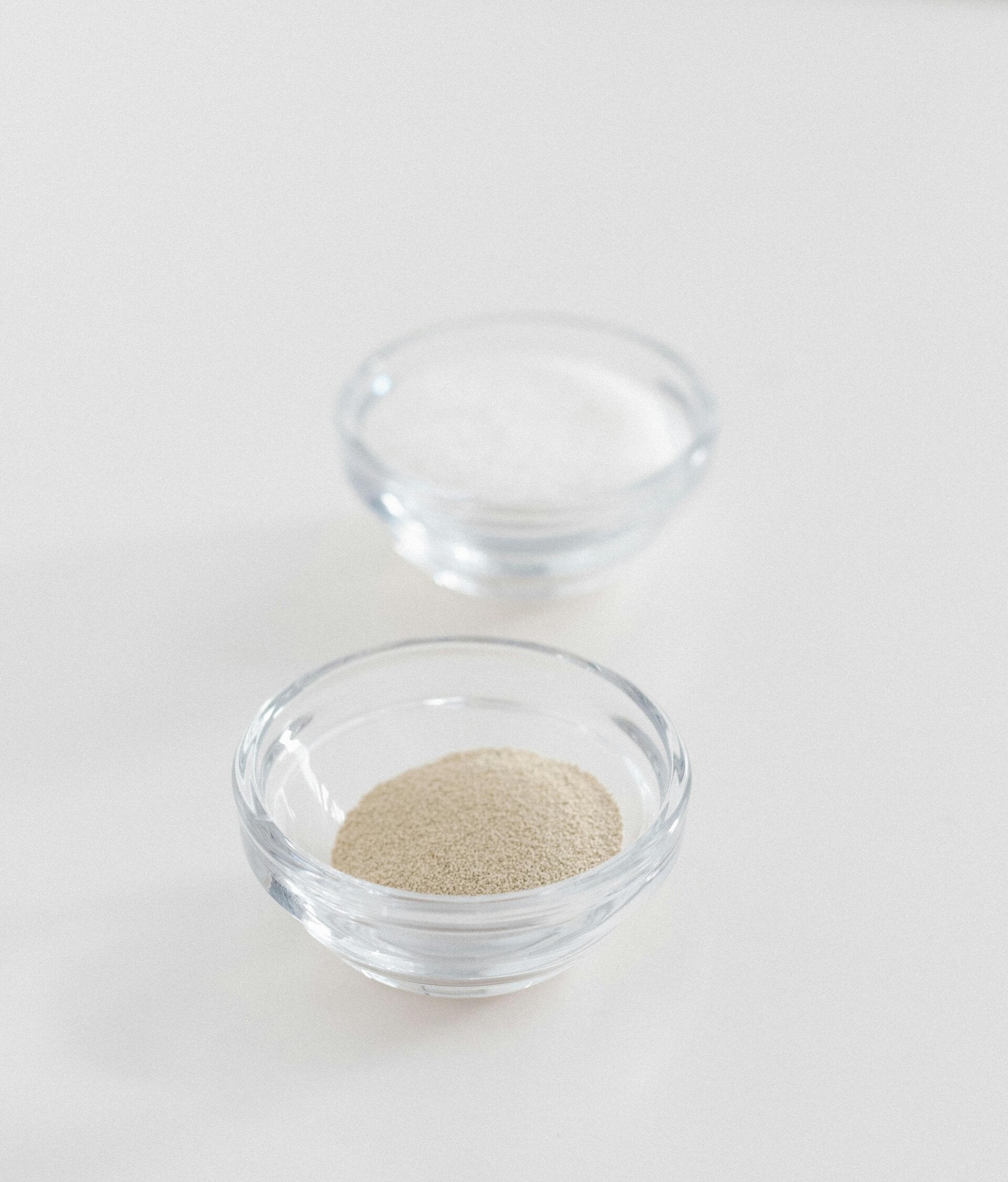
Understanding rabbit skin glue
Rabbit skin glue is a natural adhesive, derived from animal hides, renowned for its flexibility and reversible properties. Traditionally, it was a cornerstone in wallpapering for period properties, serving as an ideal sizing agent to prepare walls and as a gentle adhesive. Its application allowed for wallpapers to be easily removed without damaging historic plasterwork, a crucial aspect of conservation. This made it invaluable for delicate applications where preserving original substrates was paramount, preventing the kind of irreversible damage common with modern, stronger adhesives.
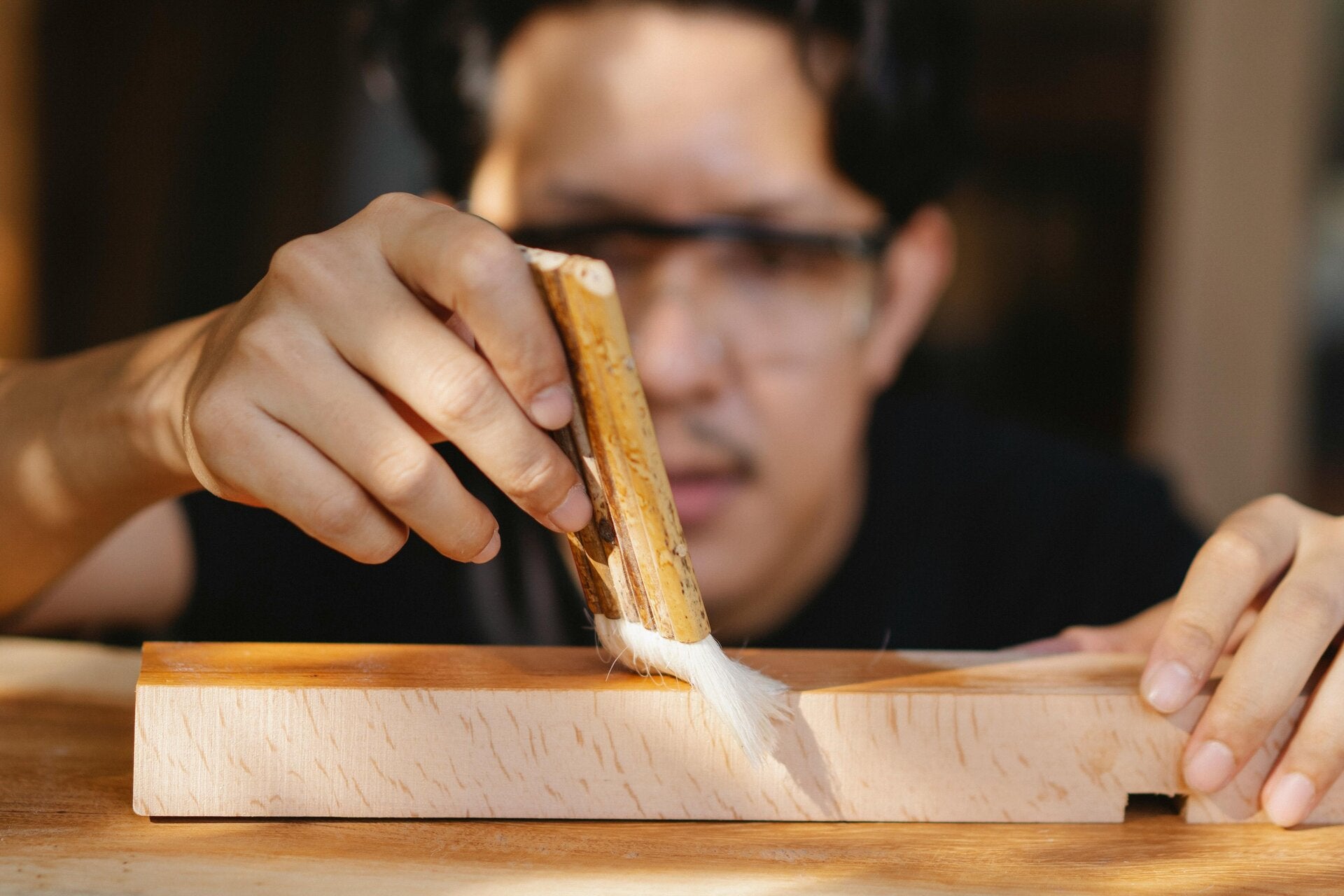
The Heritage Lane advantage
Rabbit skin glue stood out for its exceptional usages and consistency, crucial for reliable performance in heritage conservation.
It was not merely a sizing agent; its versatility extended to being a mild adhesive and binder. The key benefits for heritage projects include its excellent reversibility, which is vital for non-destructive restoration, and its compatibility with traditional materials.
It created a flexible bond that allowed vital moisture vapour permeability when used over oil painted substrates, preventing issues like cracking and delamination sometimes seen with more modern synthetic /acrylic alternatives.

Who uses traditional glue?
Rabbit skin glue is still often used among professional conservators, skilled restoration craftspeople, and dedicated hobbyists working on period and listed buildings.
Its traditional properties make it indispensable for those committed to authentic restoration techniques. It can be easily removed by careful application of warm water, allowing for future repairs or changes without damaging the underlying surface. While it was predominantly made from rabbit skins due to their collagen content, historically, other animal hides were also used to produce similar glues, highlighting its widespread use across various crafts.
Essential tips for application
When using rabbit skin glue, always prepare it carefully by soaking the granules in cold water and then heating gently in a double boiler until dissolved. Avoid overheating, as this can degrade its adhesive properties. Apply it warm, and remember that it dries to a strong, yet flexible and reversible bond. For best results, ensure surfaces are clean and dust-free.