

Abrasive papers
Discover the subtle art of surface preparation and restoration for period. Abrasive papers are designed to meet the rigorous demands of conservation, ensuring delicate yet effective treatment.
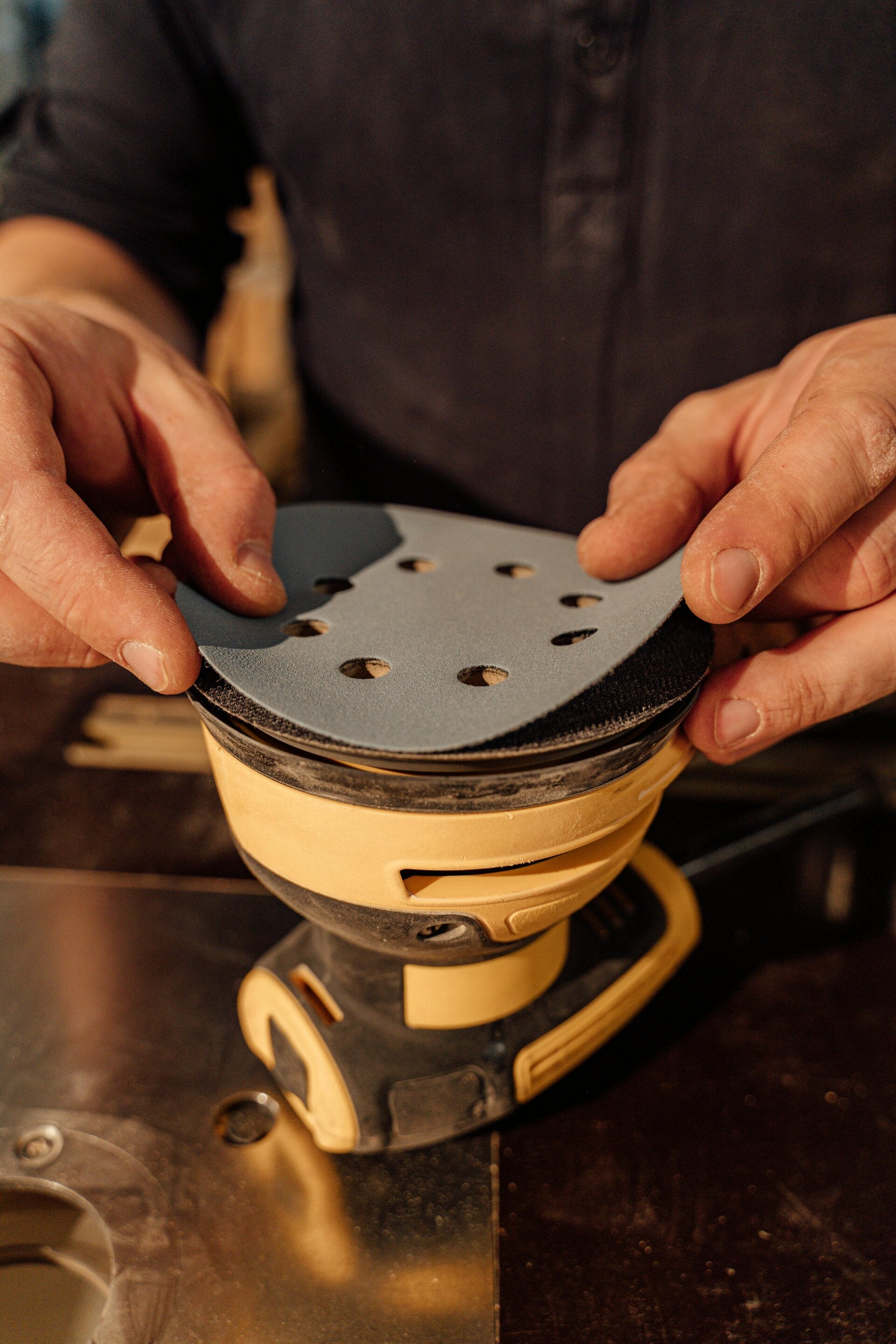
Choosing the right abrasive paper for your project
Understanding the grades of abrasive papers is crucial for any project. The most important thing to know is that not all abrasive papers are created equal, especially when working on traditional buildings, and their substrates. Selecting the appropriate grit, backing, and abrasive material can make the difference between a successful restoration project and irreversible damage.
Always consider the specific material you are working on, the desired and the level of material removal needed.
Paint requires a clean substrate, with a light "key" for adhesion.
So why do so many these days think they must competely strip off the existing paint, right back to bare timber, increasing the risk of inhaling dust containng lead, radium, or maybe even asbestos just to repaint it all again in the same colour? (Lots of totally unnecessary work and expense, but the armchair must be comfy)
Scotch pads are good enough for paint adhesion, so don't go mad, as that often causes unnecessary damage, for absolutely no good reason at all!
Tailored solutions for historic buildings
Abrasive papers are primarily used to prepare a substrate prior to painting or varnishing, so the finish must be considered before starting the project
Choosing the right abrasive paper is critical for achieving professional results on historic surfaces.
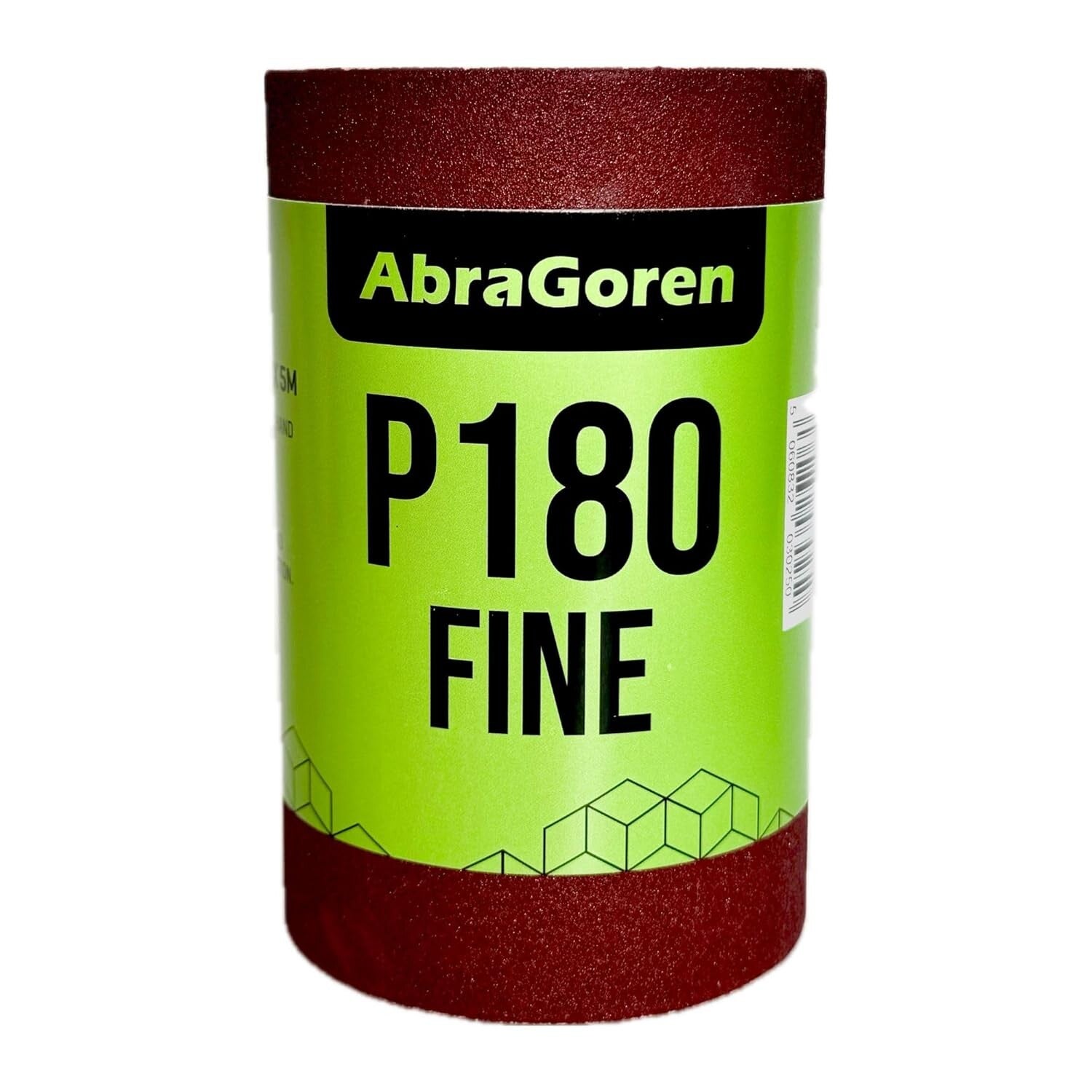
What do the Grades mean
You will have noticed various numbers, usually printed on the reverse side of abrasive papers.
This number denotes how coarse or fine the abrasive side is.
In simple terms, the higher the number is, the finer the abrasive paper is and that is based on the number of abrasive particles that are bonded to that paper in every 1 square inchof that abrasive paper.
So the bigger the particles are, the fewer will fit, so the lower numbers are telling you that a 40 'grit' paper is far more coarse than the higher numbers.
A lower number may Indeed "get the job done quicker", but unecessary deep scratches in the substrate will often show through subsequent paint coatings, and that's not pretty.
Sandpaper goes in the bottom of bird cages to make it easier to remove the bird poo, and dispose of it. Sand is too weak, and easily worn down as an abrasive,and that's why we don't have "sandpaper" in decorative preparation anymore, but clearly good for repainting armchairs.
So think.
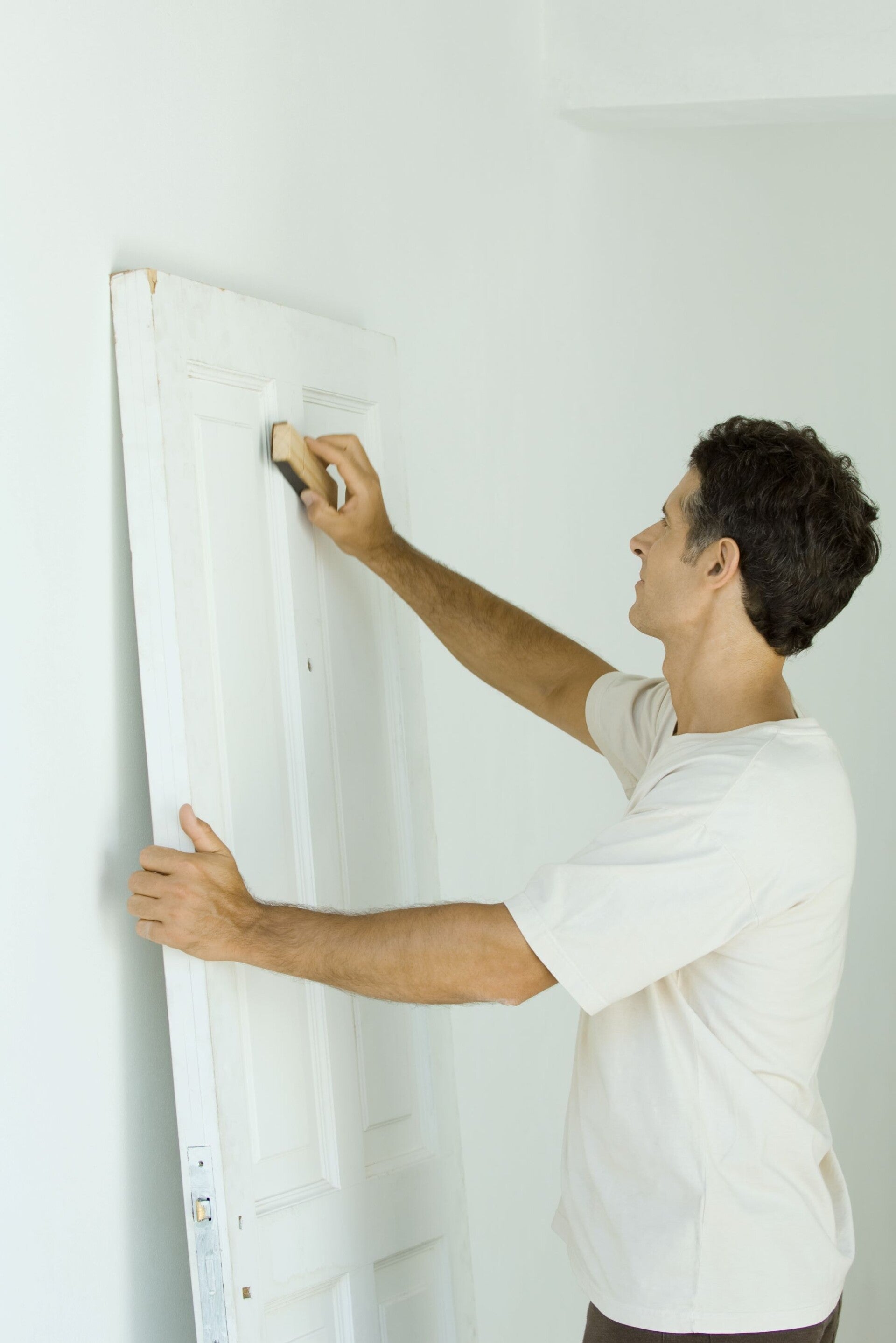
Most papers are designed for longevity, with minimal clogging, and consistent abrasive action, reducing the risk of uneven finishes or damage.
The lower grades today offer superior flexibility and durability, adapting to intricate architectural details and lasting longer than conventional alternatives. A key benefit often overlooked is that you do not need to throw "used" abrasive papers away immediately. Often, what feels like a 'used' paper for one task can be perfectly suited for a less demanding stage of the same project or a different, less critical application and is certainly good for "de-nibbing" between coats of paint. This approach not only saves resources but also reduces waste.
Now that you've explored the importance and benefits of choosing the right abrasive papers, it's time to put your knowledge into practice. Stop thinking of budgie cages and start thinking about becoming a Decorator. 👍