

The art and science of brickwork
The art of brickwork is far too under rated these days, and it shouldn't be. The structural strength of any home is thanks to the skills of the bricklayer, the appearance of any home is thanks to the skills of the bricklayer. Yet today far too many people look down on bricklayers.
The rich history and intricate skills needed for brickwork are vital to any home, and are essential for the preservation and restoration of traditional buildings. Lego is for children.
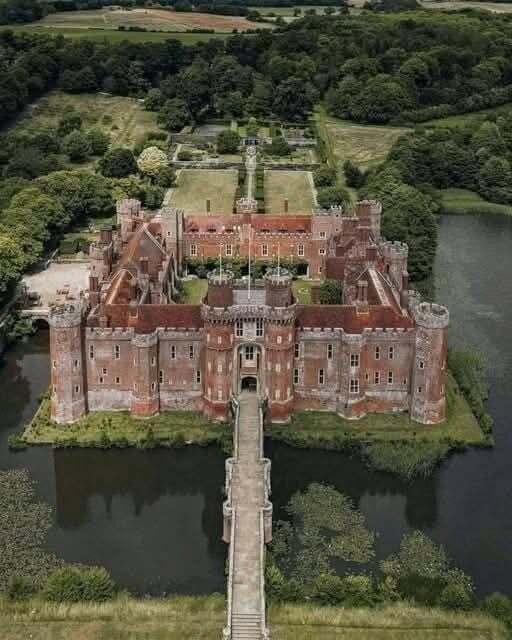
HERSTMONCEAUX CASTLE (shown below) is a beautiful C15th brick built structure that still stands in all its glory, and is in use today; of course it fell into disrepair over the centuries, but it received correct restoration works, and is one of the earliest brick built buildings in the UK, proof of the life expectancy when traditional crarft skills are employed. (no Armchairs were harmed in these restoration works, nor required)

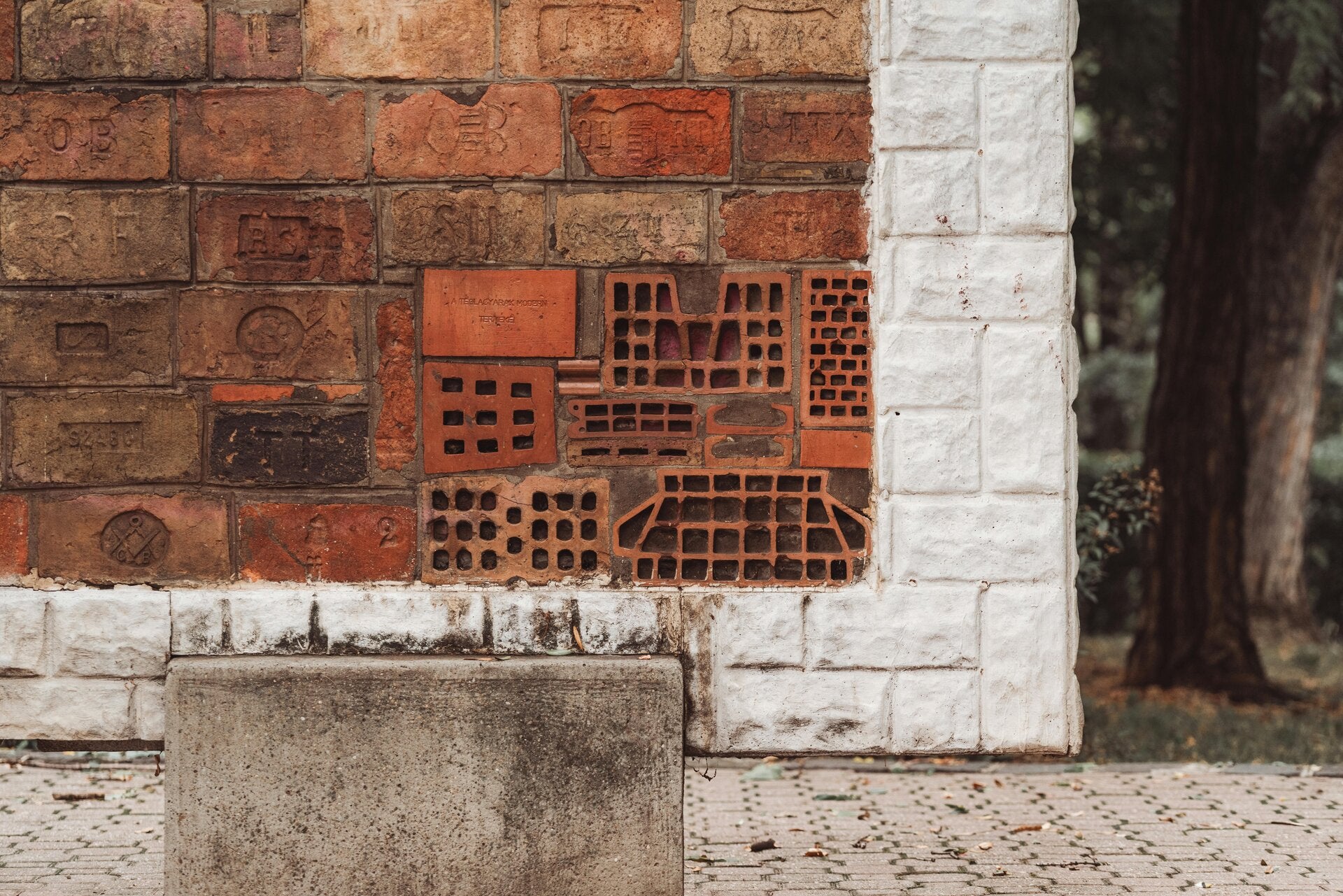
History of brickwork: a journey through time
From traditional railway bridges, to traditional foot bridges, to syructural supporting buttresses,to brick piers andornale chimneys, the worldhas a hugeamounttothank bricklayers for. From ancient civilisations to modern structures, bricks have shaped our built environment.
For Heritage buildings, this history isn't just a tale; it's a blueprint for careful conservation so meticulously researching the original matrials and techniques used, helps to ensure every repair and restoration respects the building's authentic heritage. This deep dive into the buildings historical context helps to provide restoration/repairs that go above and often/sometimes beyond. (Armchair experts will never be happy though)
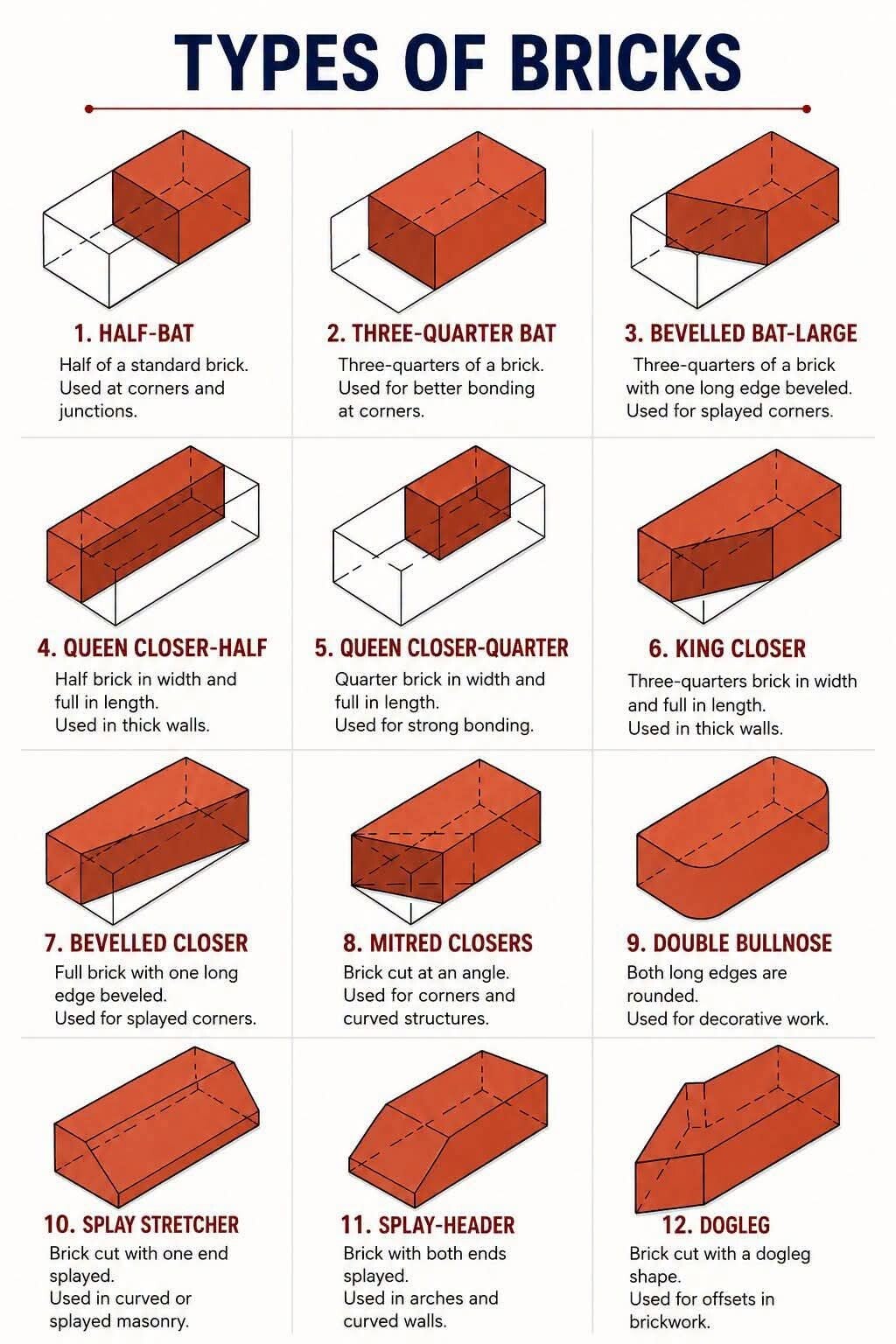
Periods and types of brick: diagnosing common problems
Many old buildings suffer from brickwork issues such as spalling, erosion, or inappropriate past repairs. Solving these problems by first identifying the specific period and type of brick used is crucial because different bricks have unique properties and vulnerabilities. For example, soft, handmade bricks from the Georgian era require a very different approach than harder Victorian ones.
By accurately identifying the brick type, you can select compatible materials and methods, preventing further damage and ensuring the longevity of your building's façade.
Bonds/patterns: our meticulous restoration process
Our process begins with a thorough assessment of the existing brick bond patterns. From classic English bond to harden wall bond, to abbots bond, to rat trap bond, to half & full brickwalls to buttresses & piers, corbels & rain drips, and crinkle crinkle walling etc etc, each pattern tells a story and requires a specific restoration technique.
Meticulously documenting the current state, identifying any damage, and then proposing a tailored plan that respects and sympathises with the original craftsmanship is sensible.
Skilled artisans then carefully execute the work, using traditional tools and materials to best match the existing brickwork seamlessly.
This detailed approach helps to ensure that repairs are not only durable but also aesthetically coherent with the building's historical character.
But never forget, building is easy 🤣
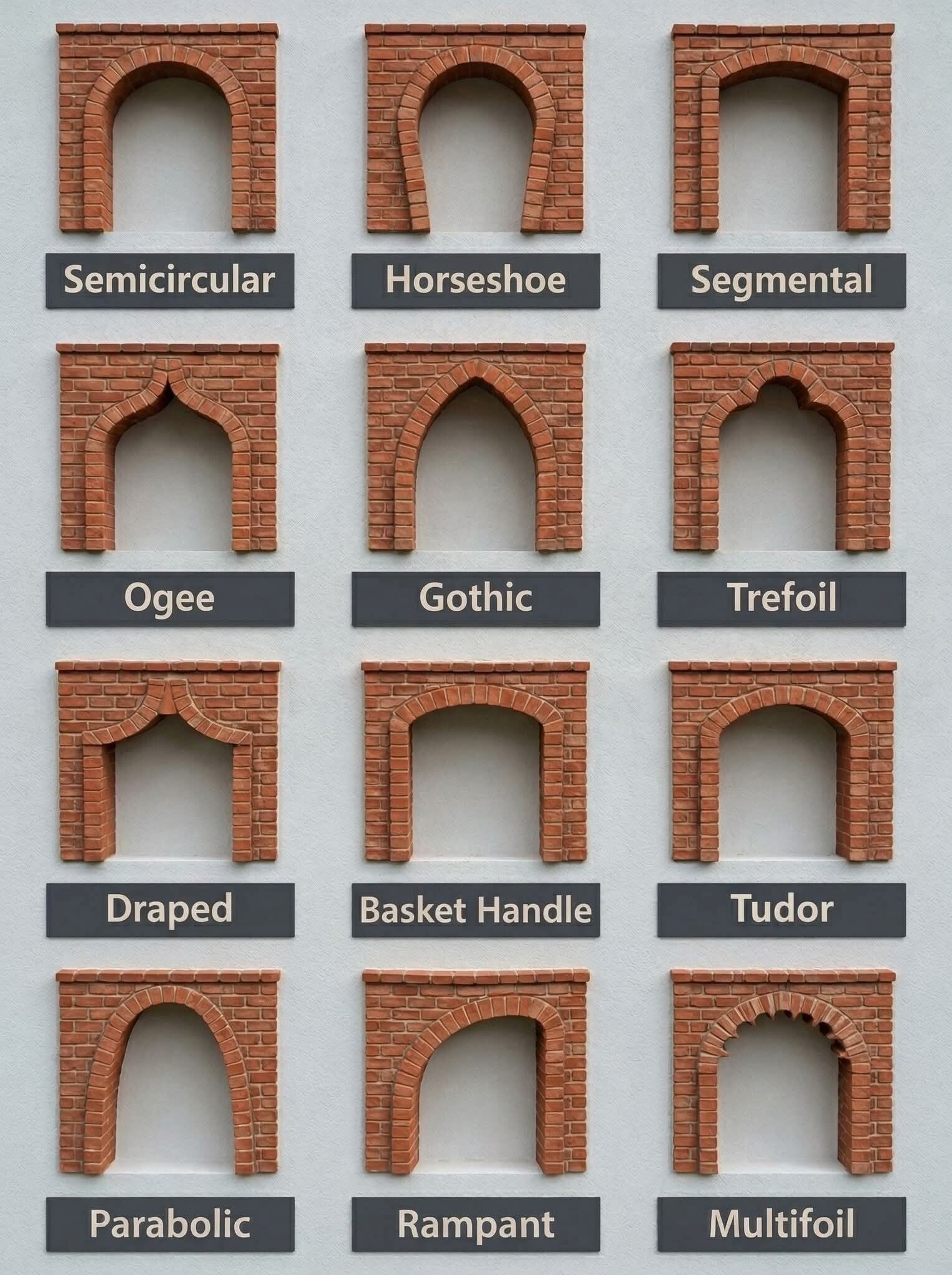
Brick Arches
Long before pre-cast lintels, arches were a very efficient way to support loads above, while distributing that load safely downwards⁹. Click the pic (left) to enlarge some of the common historical styles