Mortar bees: inhabitants of traditional structures
Discover the fascinating world of mortar bees and their crucial role in the ecosystems of period and listed buildings. Learn why these tiny creatures, often misunderstood, are an important part of our architectural history.
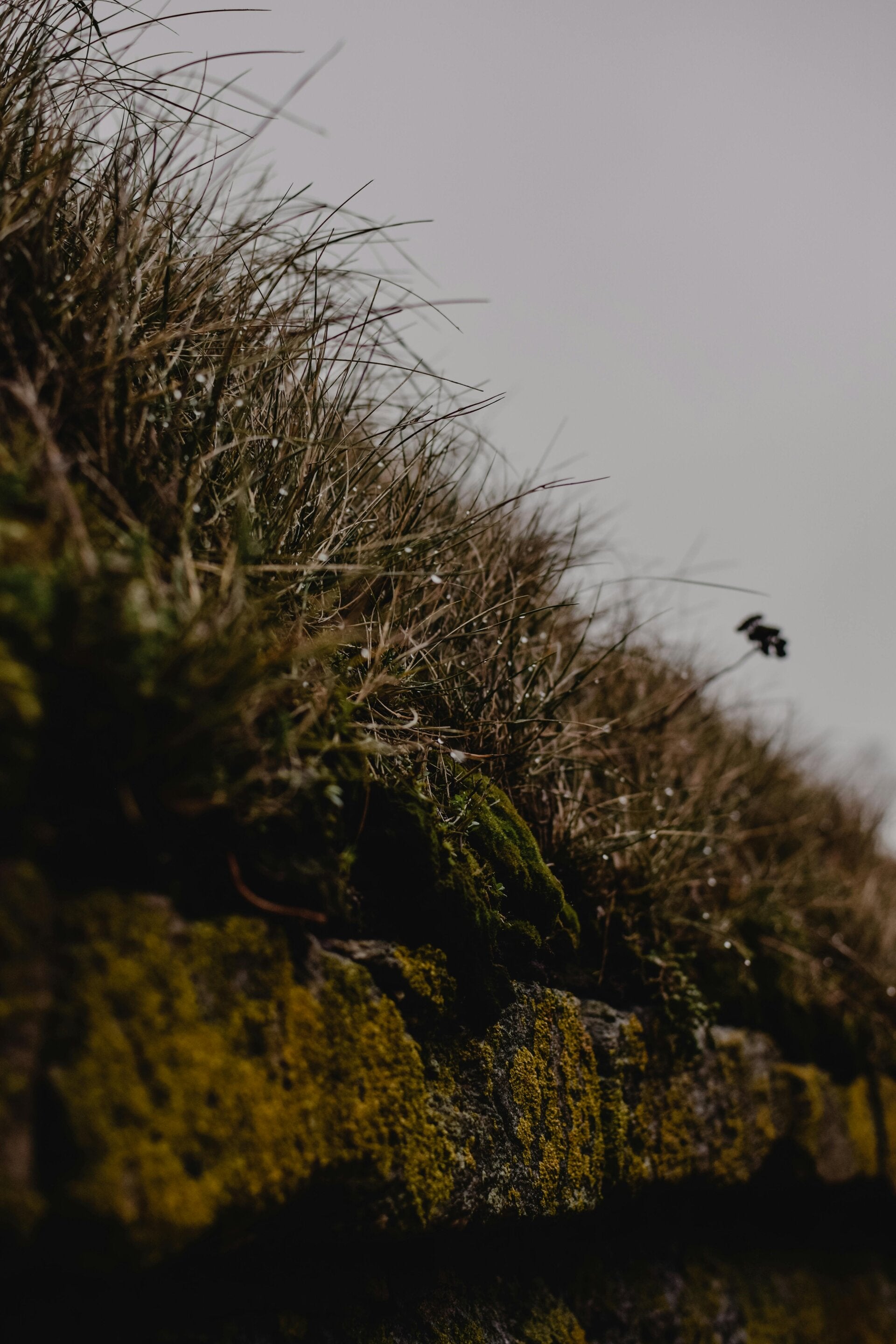
They live in your walls!
Mortar bees, often mistaken for pests, are incredible native insects that make their homes within the mortar joints of older buildings. Unlike social bees, these are solitary creatures, each female meticulously excavating a small burrow to lay her eggs. They are not damaging to sound mortar but prefer softer, traditional lime mortars, making them particularly prevalent in traditional properties.
Understanding their presence is the first step to appreciating their value.
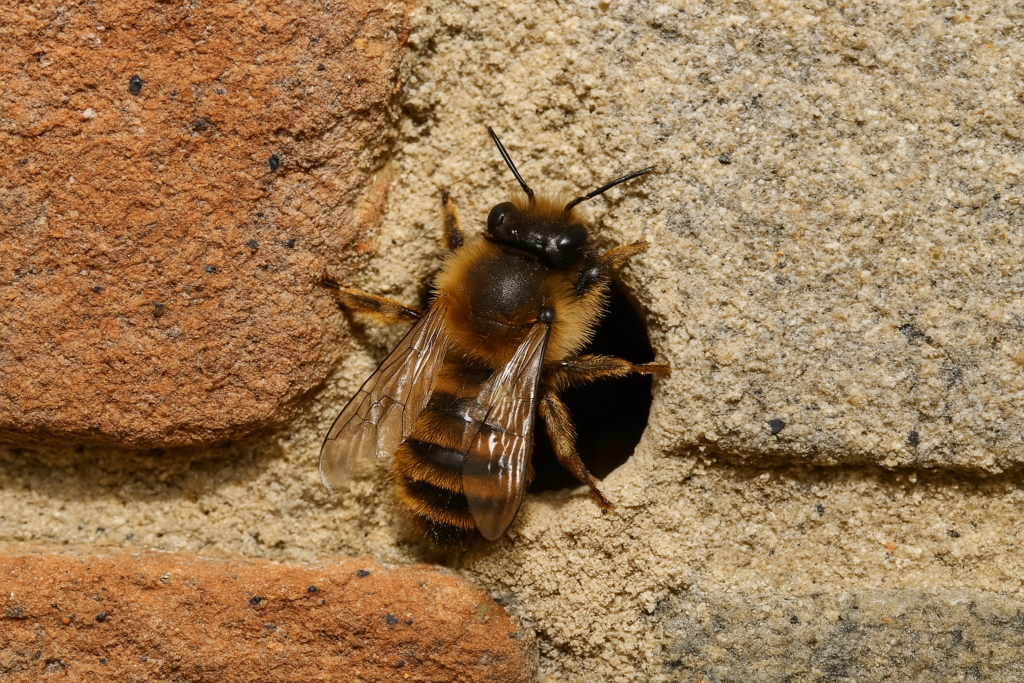
Just conserve these natural residents
These bees are important pollinators and a natural part of the building's biodiversity. Rather than seeking to remove them, we advocate for understanding and protecting them. Their presence often indicates a healthy, breathable traditional lime mortar, which is beneficial for the building itself.
So stop killing everything.

Holes in your mortar?
The biggest concern people have about mortar bees is often the visible holes they create in the mortar. Frankly we just see aesthetics, vanity, and "me, me, me."
While these small holes can sometimes cause alarm, they are generally superficial and do not compromise the structural integrity of the wall, especially when the mortar is in good condition. In fact, these bees are a sign of a vibrant, natural environment. We'd like property owners to understand that these holes are typically benign and that conservation is often the best approach for both the building and the bees. Once they've completed their important work in our universe, they'll move on, and you can get some tiny bits of mortar repaired.
Just Remember
We are advised to give free homes to all manner of people these days. So frankly, We see no reason why the Virtue Flag Flyers can help our own nature too.