Squirrels: cute little critters or home invaders?
While their antics in the garden might be charming, squirrels can pose a significant threat to the integrity of your home. Discover how these busy creatures can cause damage and, more importantly, how to keep them from nesting, foraging, and mating in your property.

The damage they are capable of
Squirrels are known for their remarkable agility and persistence, which, unfortunately, makes them adept at finding their way into your home. They can exploit small gaps, damaged fascias, and even chew through materials to gain access to warm, sheltered spaces like attics and wall cavities. Once inside, they can cause a surprising amount of damage.
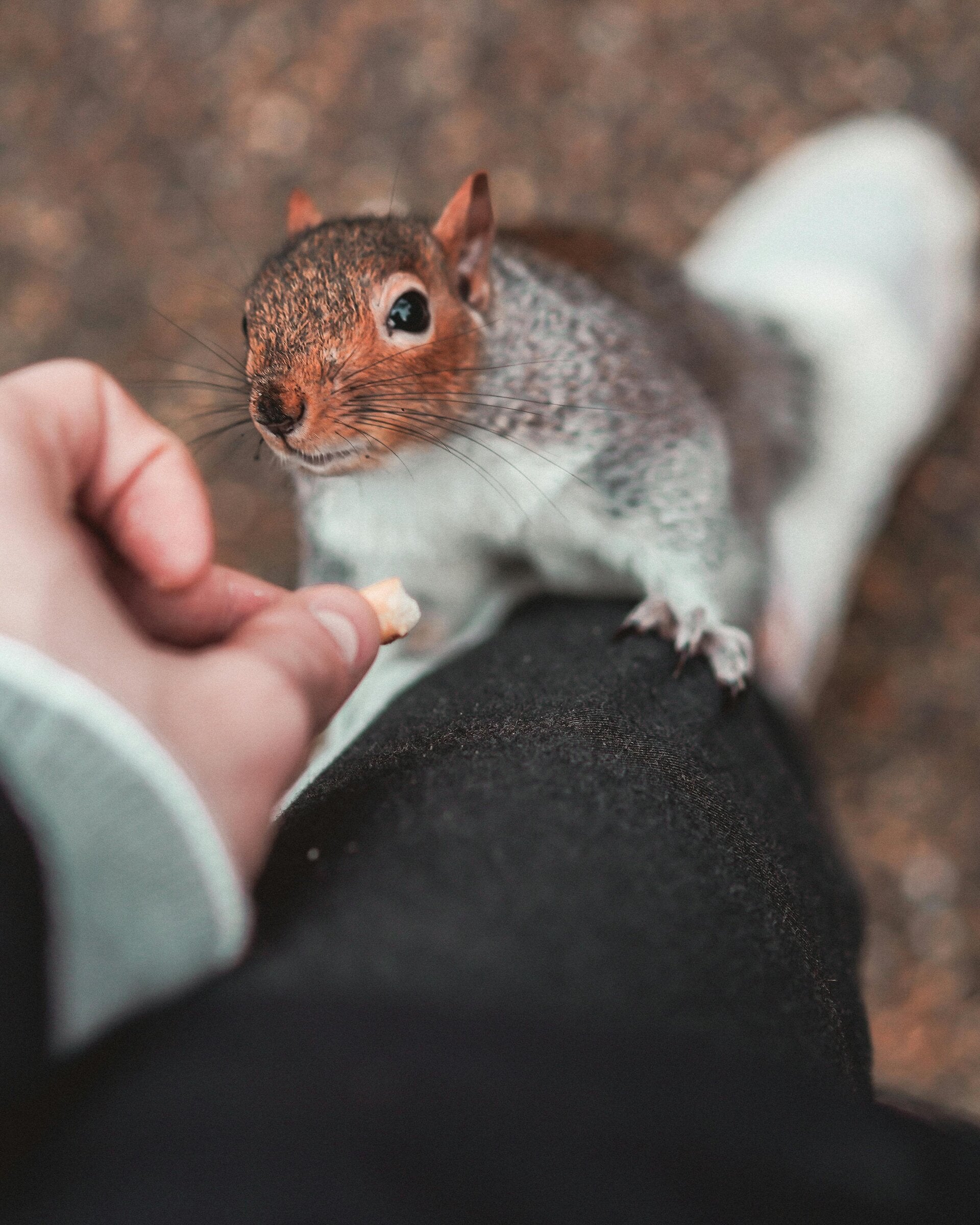
Nesting, food, and mating: why squirrels choose your home
Your home offers squirrels everything they need for survival: a safe place to nest, a secure spot for storing food, and a warm environment for mating & raising their young, and a hideout from the weather. They will tear up insulation for bedding, chew electrical wires, and damage wooden structures, all while depositing droppings and urine that can lead to unpleasant odours and health hazards. Understanding these motivations is key to effective prevention.

Protecting your property: how to not encourage them
Preventing squirrel damage is much easier than repairing it. Simple steps like regularly inspecting your roofline, sealing any cracks or openings, and trimming tree branches away from your house can make a big difference. Consider securing bins and removing bird feeders or other food sources that might attract them. For more in-depth advice on securing your home against pests, explore our Vermin or Creatures pages.