Understanding timber lathes for heritage
Explore the world of lathes, from traditional materials like oak and chestnut to modern sawn and riven options. Learn about their crucial role in conservation and restoration, especially within listed buildings. We are here to guide you through the choices and considerations for your projects.
The heritage of lathes
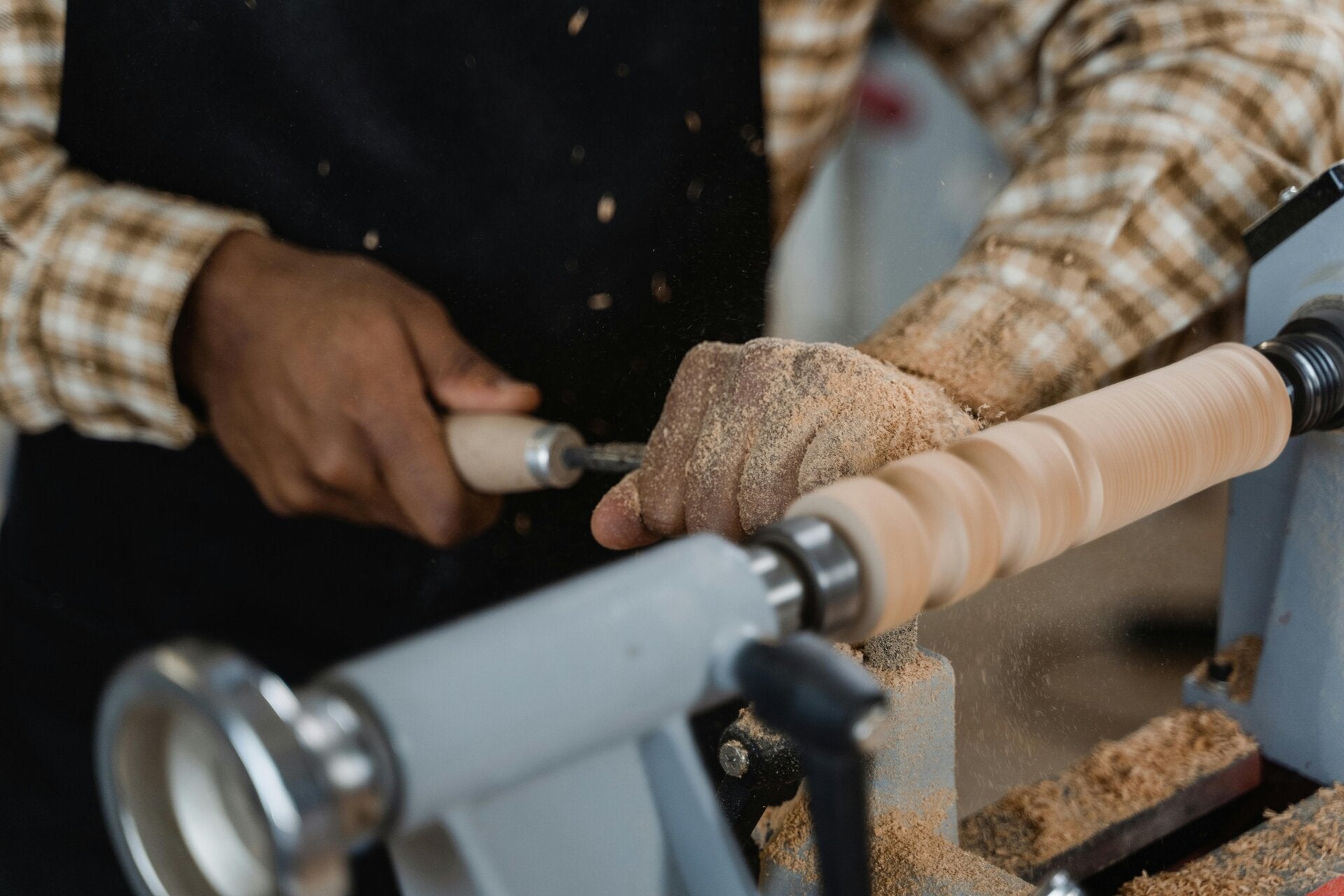
Traditionally, lathes were crafted from durable timbers such as oak and chestnut, chosen for their strength and longevity. These natural materials played a vital role in constructing and restoring many of our cherished period properties. Understanding these historical practices is key to authentic conservation.
Modern lathes: sawn versus riven
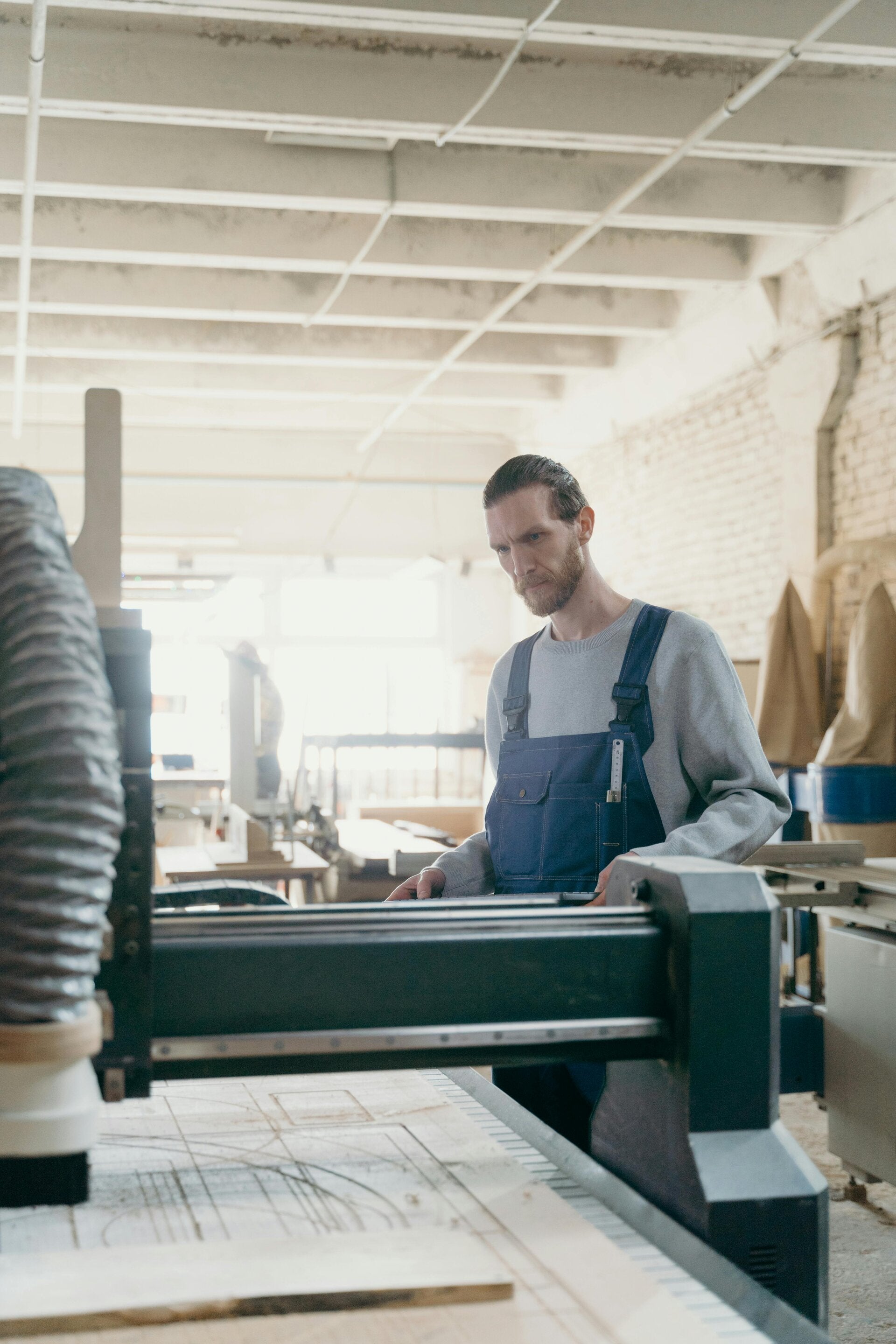
Today, you can acquire new lathes, but it is important to distinguish between the two primary types: sawn and riven. Sawn lathes are cut by machine, offering uniformity, while riven lathes are split along the grain, retaining the wood's natural strength and flexibility. The choice between them significantly impacts a project's authenticity and performance.

Expert advice for listed buildings
For conservation and restoration work on listed buildings, seeking advice from your local conservation officer is essential. Their expertise ensures that the materials and methods used, including the choice of lathes, comply with regulations and preserve the historical integrity of the structure. Heritage Lane supports informed decisions for lasting quality.