

Petra: a timeless marvel
Discover the enigmatic city of Petra, a testament to ancient ingenuity and a profound example of working harmoniously with nature. Uncover the secrets behind its impressive carvings and ponder the purpose it served for civilisations past.
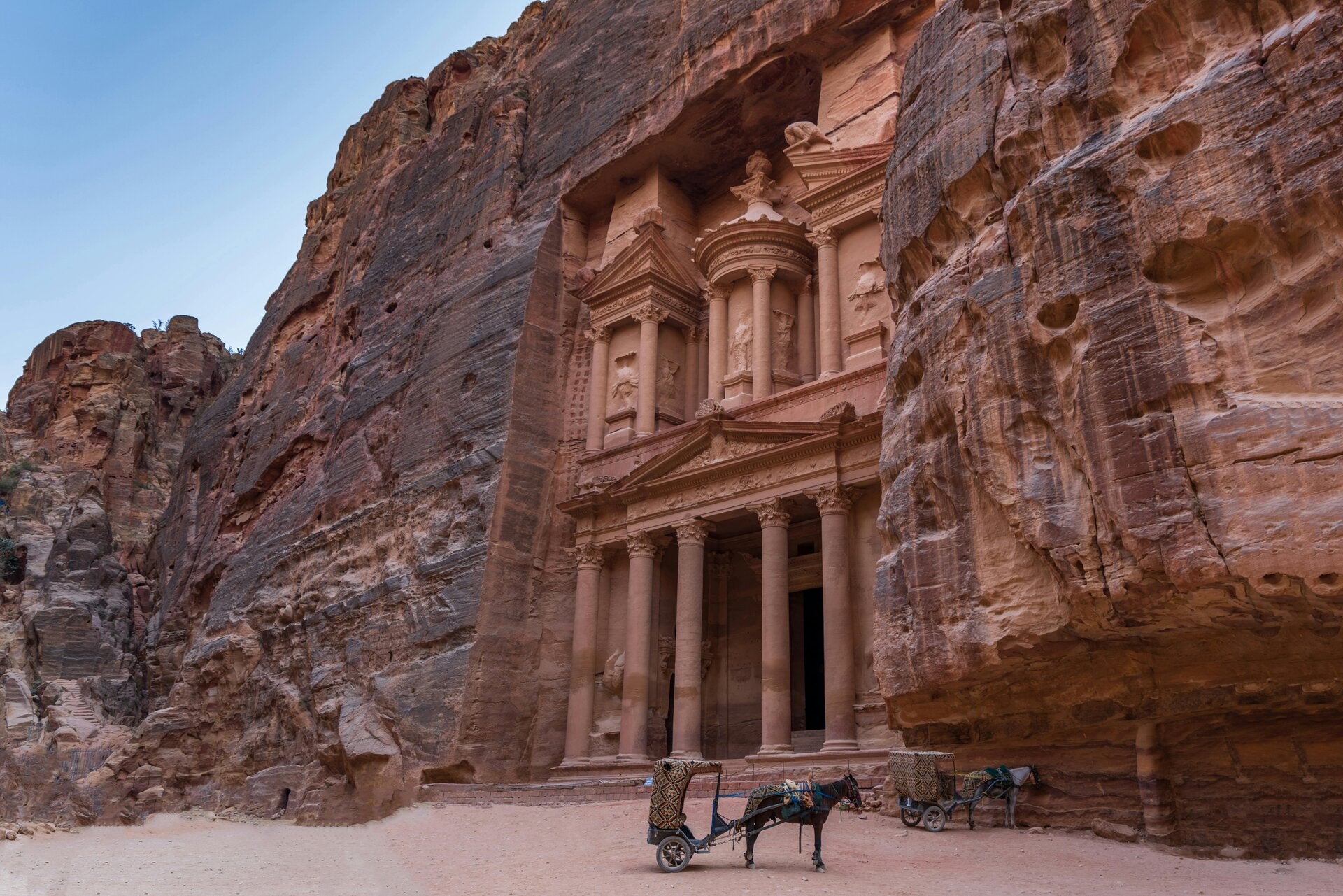
Why was this impressive carving done?
The monumental architecture of Petra, particularly structures like Al-Khazneh (The Treasury), sparks a fundamental question: what drove such an extraordinary endeavour? These intricate carvings, meticulously shaped directly from the sandstone cliffs, required immense skill, planning, and a deep understanding of geology and engineering. Their grandeur reflects the power, beliefs, and artistic aspirations of the Nabataean civilisation. Down here in Heritage Lane, we believe understanding the 'why' behind historical structures is crucial for their respectful conservation and restoration.
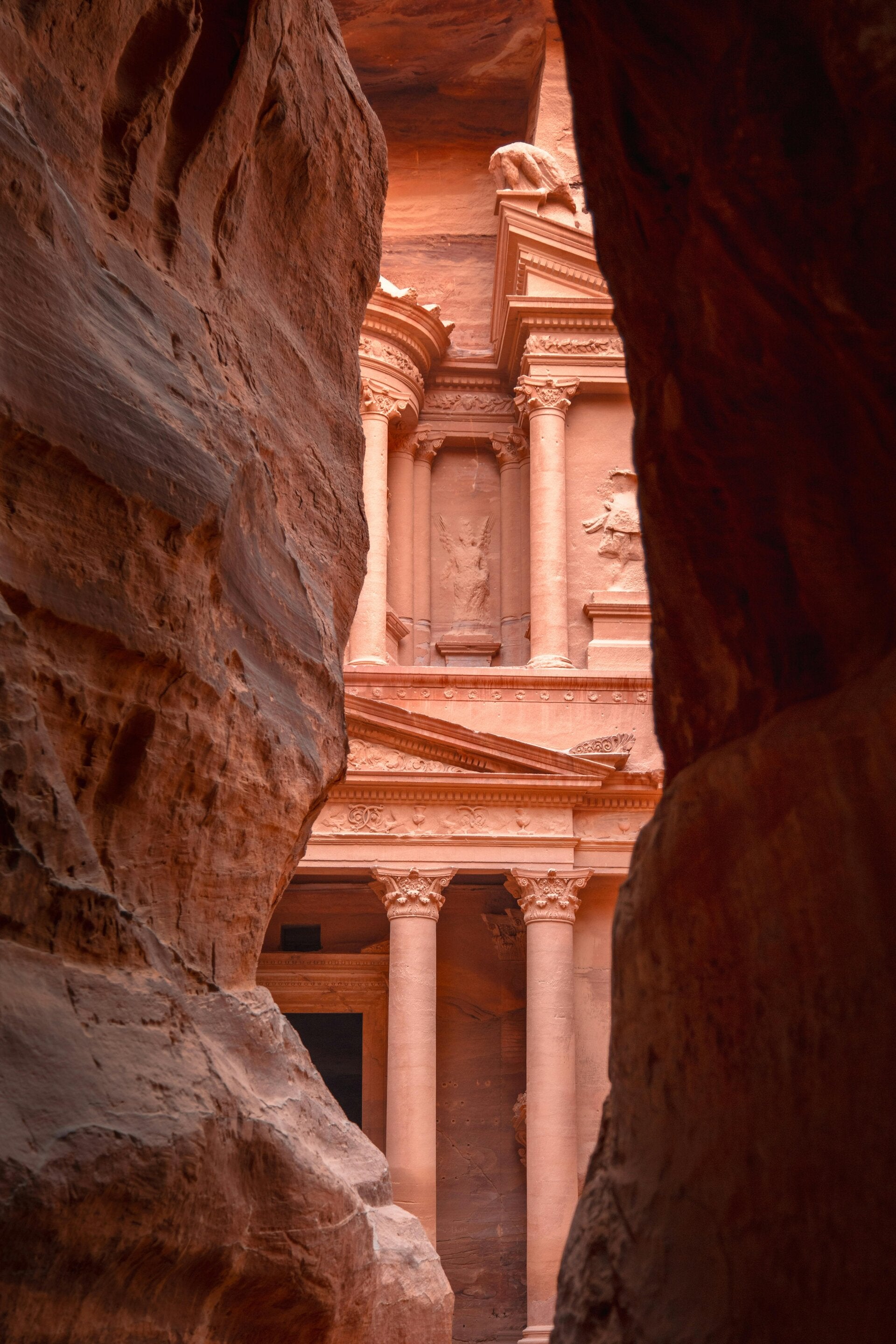
What purpose did it serve?
Beyond their aesthetic appeal, the structures of Petra served a multitude of purposes, from tombs and temples to homes and hydrological systems. The city was a thriving trade hub, strategically located along ancient routes, and its architecture reflected its wealth and cultural significance. Understanding the original function of a building or a carved monument is paramount when considering its preservation. Just as the Nabataeans designed for purpose, Heritage Lane approaches conservation with an eye towards maintaining the original intent and functionality of period and listed buildings.
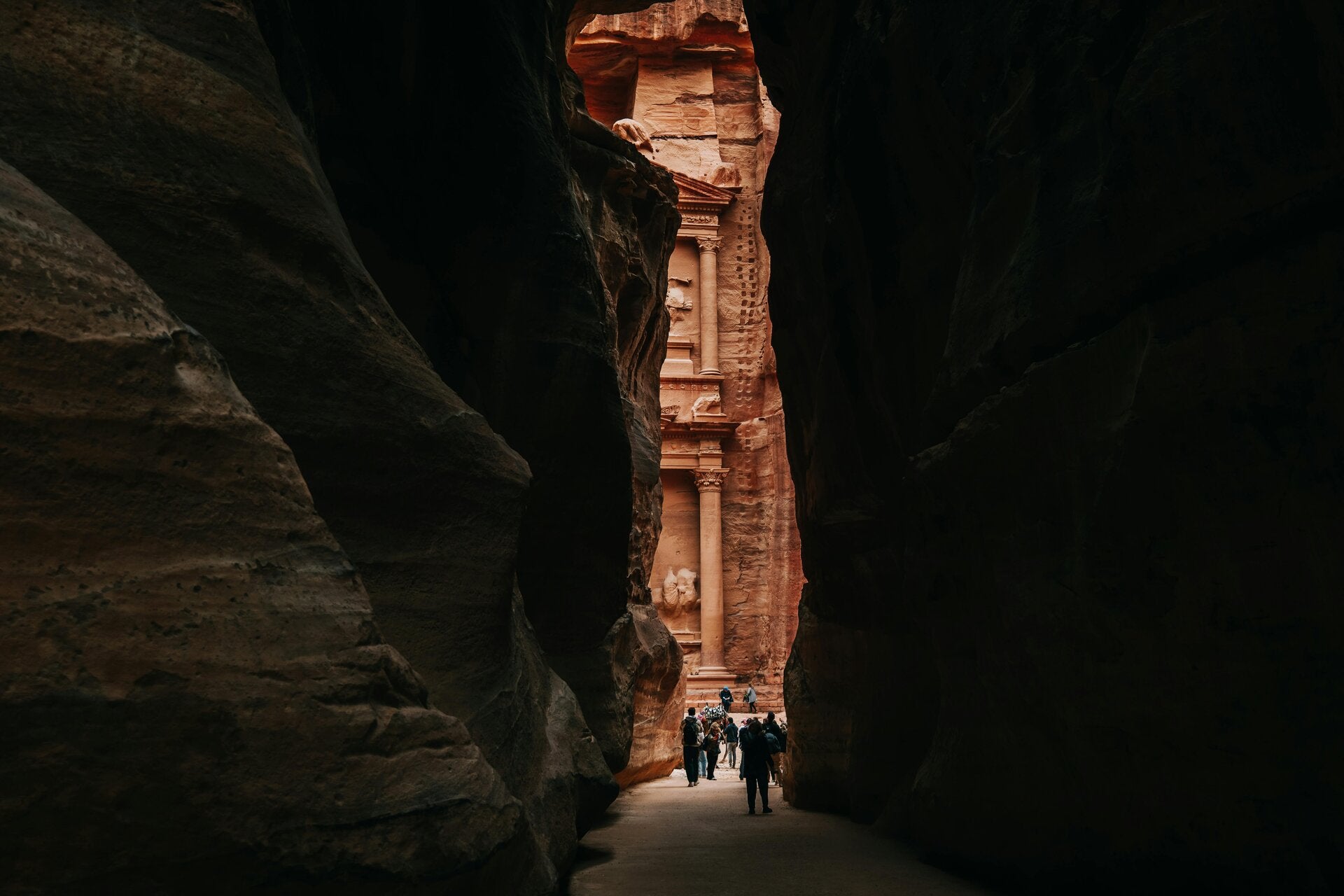
The ability to work with nature
Perhaps the most profound lesson from Petra is the Nabataeans' exceptional ability to work with, rather than against, nature. They harnessed water, carved directly from existing rock formations, and understood the environmental conditions of their arid region. This symbiotic relationship with their surroundings allowed Petra to flourish for centuries. At Heritage Lane, we champion this philosophy in modern conservation, advocating for sustainable practices that respect the natural environment and the inherent properties of historical materials. It's about preserving the past in a way that endures, much like Petra itself.