Understanding timber in heritage buildings
Here's something that most won't know.
Timber (wood / trees) is actually the rarest material in the entire universe? It is more rare than Gold, more rare than diamonds, but both gold and diamonds are incredibly common in the universe. The reason is simple: trees derive from life, and planet earth is the only known planet that can sustain life!
Fully understanding this truth, is frankly paramount to understanding real restoration, and not just thinking that the word 'restoration' is just a trendy sounding name you heard on the telly!
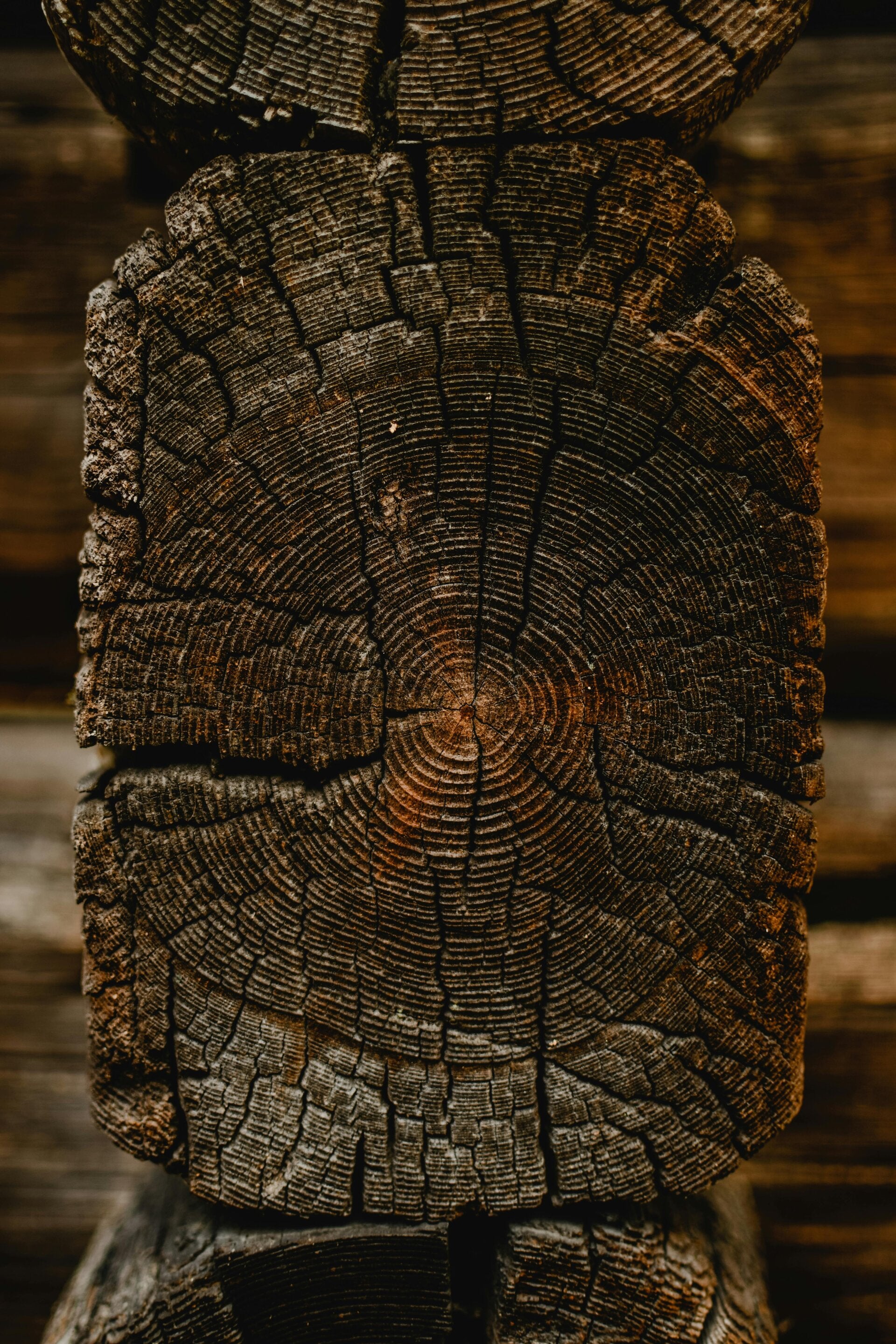
Historically used timbers in UK construction
When considering timber for Heritage Lane, we highlight the specific types of wood historically used in UK construction for conservation and restoration projects. This includes robust oaks, often sourced locally, used for structural frames and intricate joinery.
Softwoods like Scots pine and European redwood were common for roof timbers and internal finishes.
Understanding these traditional materials is crucial for authentic restoration.
We've also delved into the use of elm for water features and even in foundations, due to its durability when wet, and of course chestnut used as lathes and fencing for its resistance to rot and insects.
Our focus has always been on identifying and utilising materials that respect the original integrity of the structure, as anyone should.

Understanding timber challenges in old buildings
Timbersnused in traditional buildings often face various challenges, from fungal decay like dry rot and wet rot, to insect infestations such as woodworm and deathwatch beetle.
Moisture ingress, poor ventilation, and inappropriate repairs using modern materials can exacerbate these issues.
Heritage Lane's approach has always involved thorough assessment and diagnosis to identify the root cause of the problem, hence our motto: 'find the cause, fix the cause'
Our timber products and conservation methods have always been designed to address these specific issues, using traditional techniques and sympathetic materials to repair, consolidate, and protect existing timber, preventing further deterioration while preserving historical authenticity. And guess what? Synthetic resins don't fit there at all.

Learning knowledge
Specialist knowledge in identifying historically appropriate timbers and their specific conservation needs is clear.
Our focus is on education and empowerment, providing conservators, restorers, and homeowners with the tools and knowledge to make informed decisions that respect the heritage value of their properties. We stand apart by integrating education with high-quality, period-appropriate timber solutions. Lesson 1 is very simple: two part nonsense goes in the skip!