Discovering the Fibonacci sequence
Uncover the universal patterns that shape our world, from the smallest shell to the grandest structures. Explore the captivating Fibonacci sequence and its surprising connections to heritage and conservation.

What is the Fibonacci sequence?
The Fibonacci sequence is a series of numbers where each number is the sum of the two preceding ones, usually starting with 0 and 1. The sequence begins: 0, 1, 1, 2, 3, 5, 8, 13, 21, and so on. This simple yet profound mathematical progression appears in countless natural phenomena and has intrigued thinkers for centuries. Here in Heritage Lane, we believe understanding these fundamental patterns enriches our appreciation for both nature and the built environment.
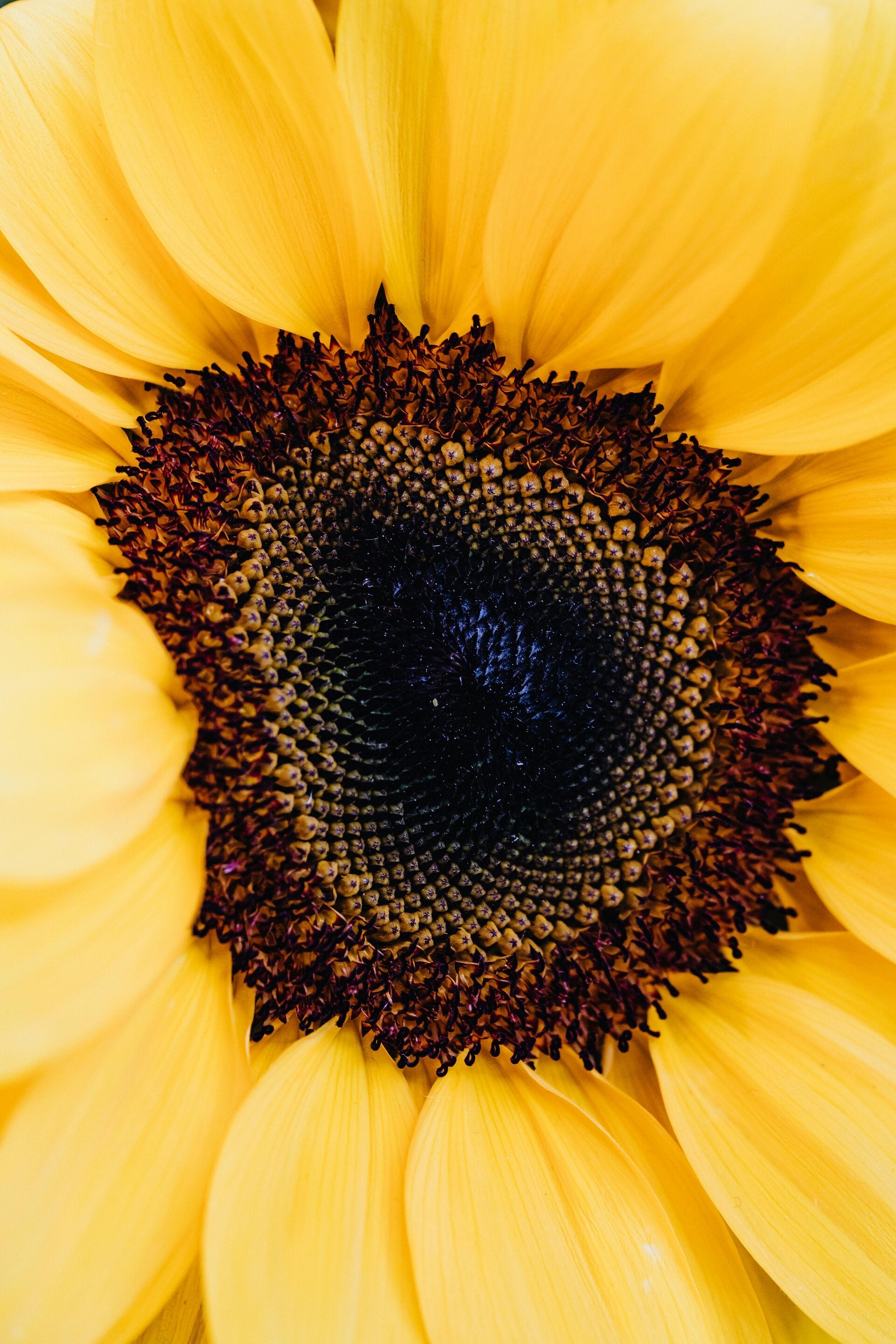
Universal and natural examples
From the spirals of a sunflower to the branching of trees, the Fibonacci sequence manifests as a fundamental organisational principle in the natural world. You can observe it in the arrangement of leaves on a stem, the unfurling of a fern, and the chambers of a snail shell. This universal presence highlights nature's inherent design, offering a blueprint for efficiency and aesthetic balance that has subtly influenced human design and architecture throughout history.
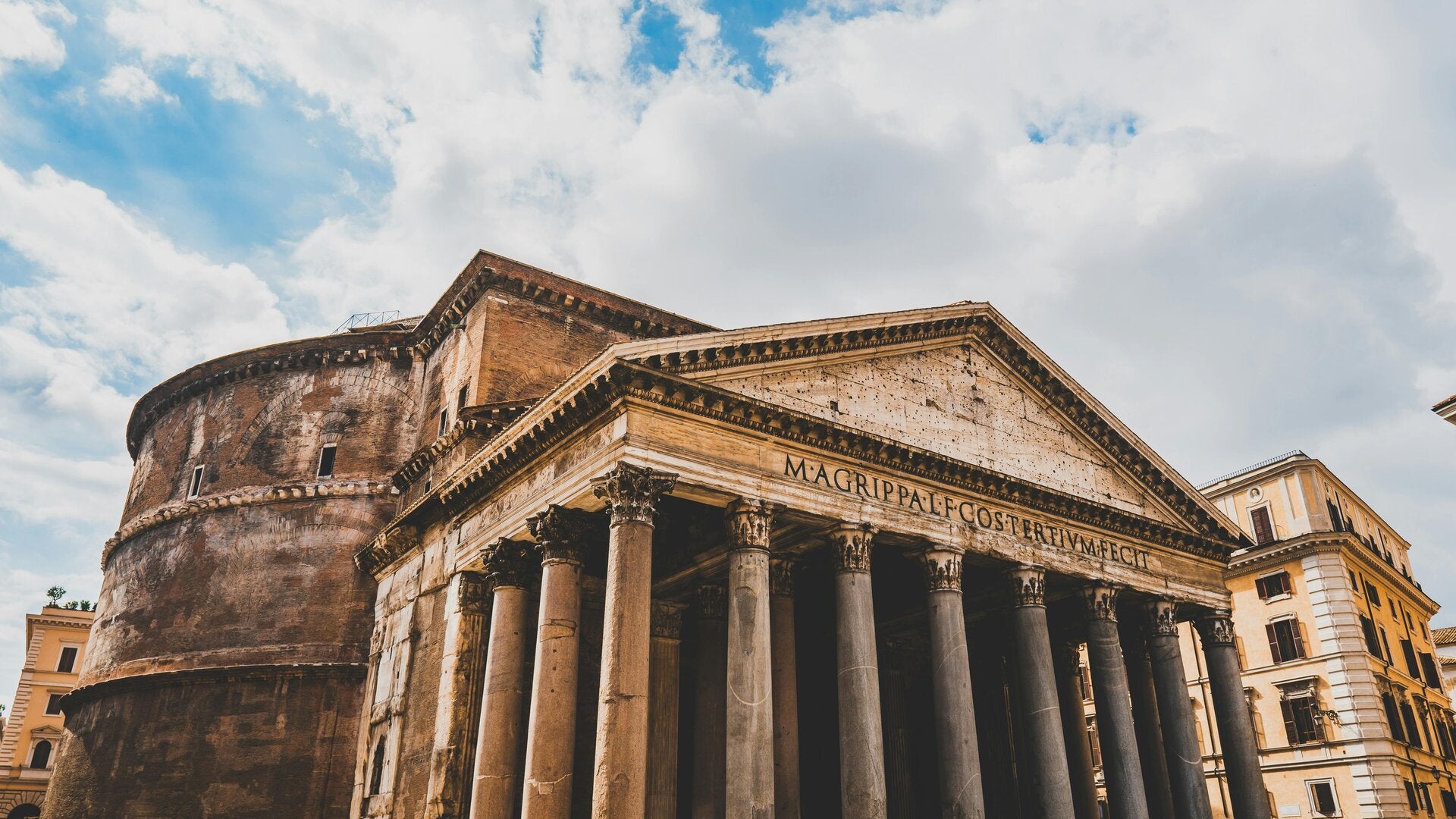
Structural formations in heritage
While not always consciously applied, the principles behind the Fibonacci sequence often appear in the structural formations of period buildings. Proportional relationships, reminiscent of the golden ratio derived from the Fibonacci sequence, can be found in the design of facades, column caps, window placements, and room dimensions. Understanding these underlying mathematical principles can offer valuable insights into the stability, aesthetic appeal, and original intent of historic architecture, guiding sensitive conservation and restoration practices.

The mathematics behind the beauty
Delve deeper into the mathematical elegance that underpins the Fibonacci sequence and its visual representations. The golden ratio, approximately 1.618, is closely linked to this sequence and creates proportions that are often perceived as harmonious and visually pleasing. This inherent mathematical structure helps us to appreciate the intricate design found in both natural forms and historical craftsmanship.