The liquid gold, called linseed oil
Discover the enduring power of linseed oil, a natural marvel that has protected and enhanced historic buildings for centuries. At Heritage Lane, we advise on the finest linseed oil for your conservation and restoration projects, blending tradition with expert knowledge.
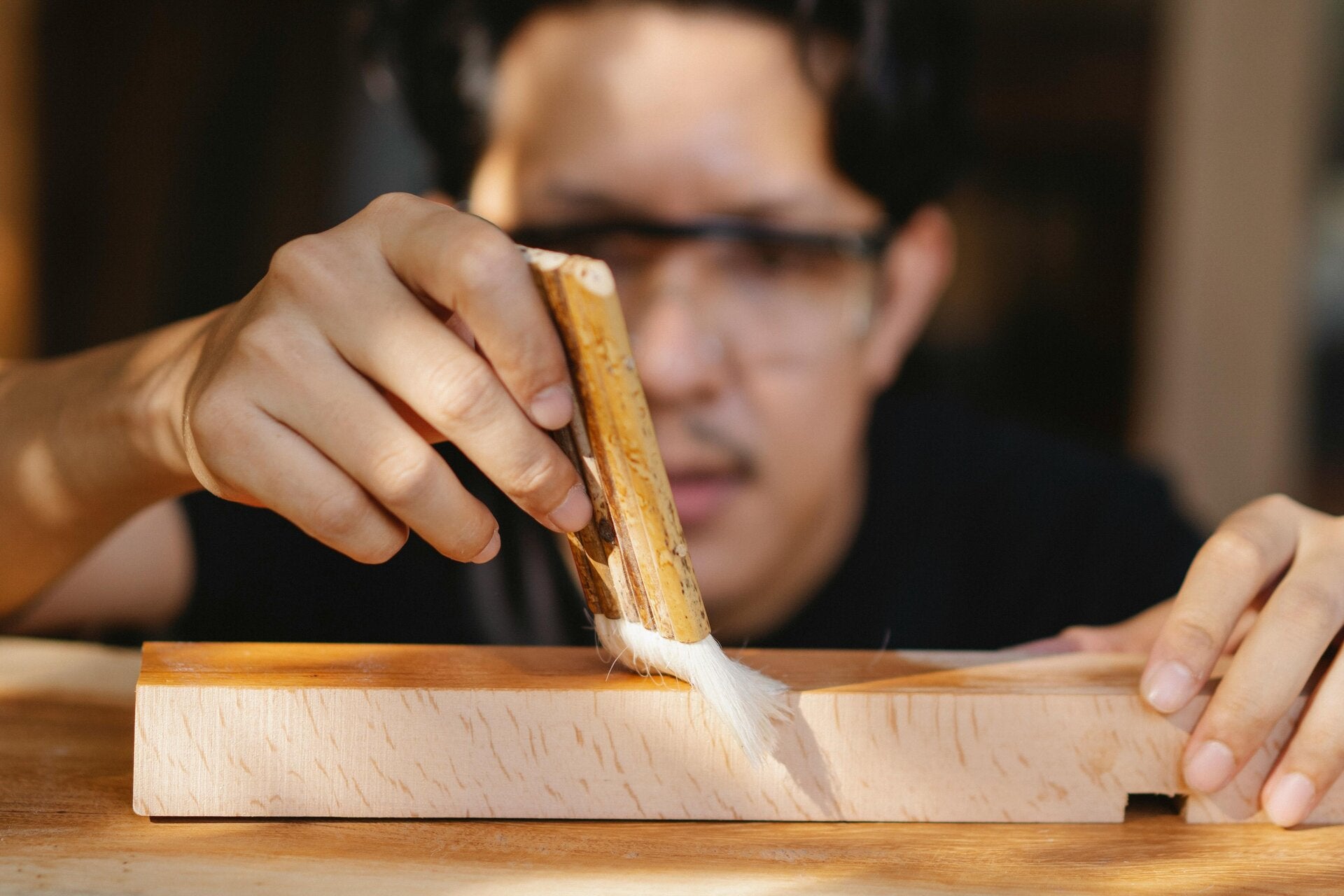
What is linseed oil?
Linseed oil, derived from the dried seeds of the flax plant, is a traditional and highly valued natural finish and binder. For period and listed building conservation, it's primarily used in coloured linseed oil paints, (hence the name) and clear wood preservation, it dries to a natural lattice formation, making it flexible and, more importantly Moisture Vapour Permeable.
and as a natural sealant. Its ability to penetrate deep into timber, cure to a durable finish, and provide Moisture Vapour Permeability
makes it indispensable for maintaining the integrity and appearance of historic structures, preventing issues like wood rot and decay. Heritage Lane provides premium quality linseed oil, perfect for sensitive restoration projects.

What's the difference between boiled and raw linseed oil?
We understand the nuances of linseed oil application. The key difference lies in their drying times and uses. Raw linseed oil is pure, unadulterated oil that penetrates deeply but dries very slowly. It's ideal for deep conditioning and preserving historic timbers where time is not a constraint. Boiled linseed oil, on the other hand, has been heated and often contains liquid dryers (most often Terebine liquid dryers as used in Linseed Oil Paints). This modification significantly speeds up the drying process, making it suitable for topcoats, paints, and applications where a faster cure is needed without compromising the traditional aesthetic and protective qualities.
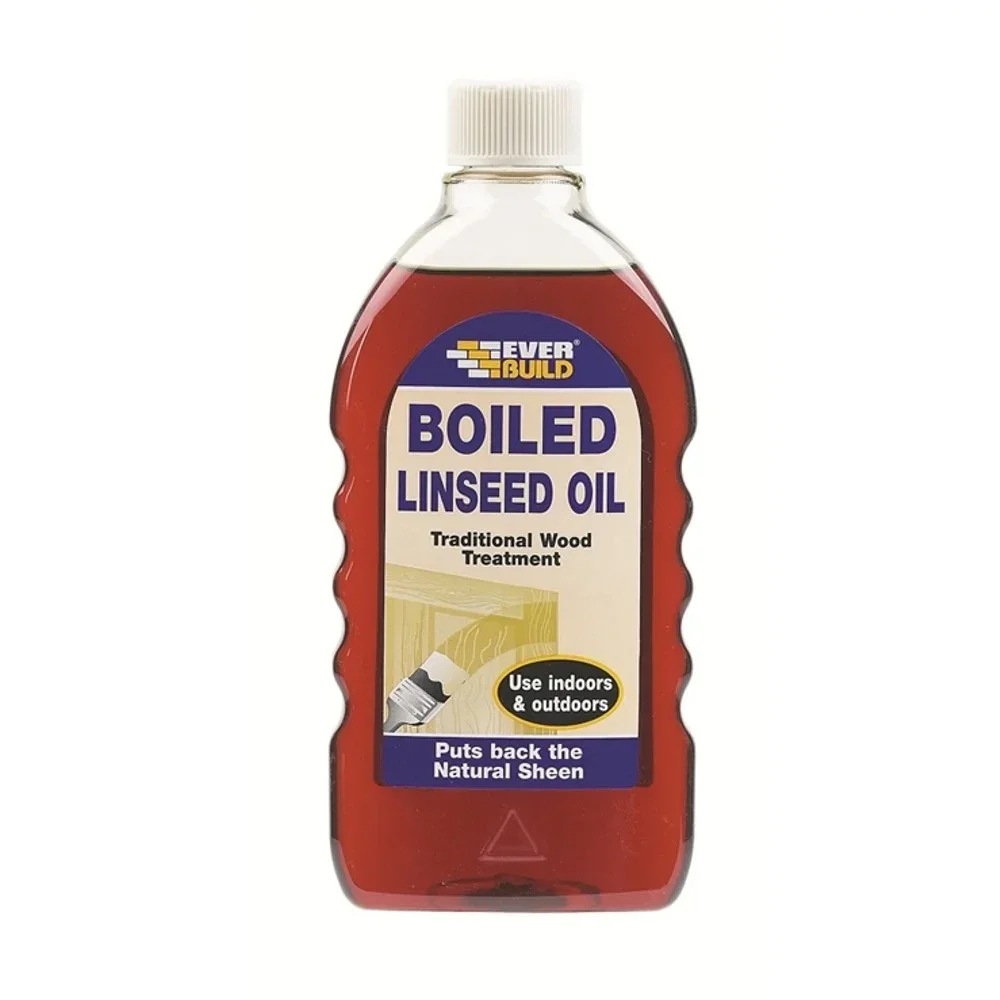
Interior works vs exterior?
Choosing the right linseed oil for interior versus exterior timber protection is crucial for long-term preservation. For interior timber, such as antique furniture or historic floorboards.
Raw linseed oil offers deep nourishment and a subtle but natural finish that enhances the wood's grain. Its slower drying time means more time for deeper penetration which is often an advantage indoors.
For exterior applications like windows, doors, or exposed beams, Boiled Linseed Oil, or specialised exterior-grade linseed oil paints offer enhanced weather resistance and faster curing to withstand the elements.
However, both still allow moisture Vapour Permeability, unlike modern plastic-based finishes, which can easily trap moisture and lead to timber decay.
One last tip: Add some Linseed Oil and a sqeeze of lemon juice to Beeswax, for a "buff on-buff off", scented floor tile cleaner.