Slaking and mixing lime
Discover the traditional craft of slaking and mixing lime for your period and listed buildings. It's easier than you think to embrace the methods of old with today's understanding. Join Heritage Lane as we demystify this essential process.

The beauty of traditional methods
At Heritage Lane, we believe in preserving the integrity of period and listed buildings through authentic techniques. Slaking and mixing lime, once a common practice, can seem daunting. However, we're here to show you that it's easy today to achieve outstanding results using time-honoured methods.
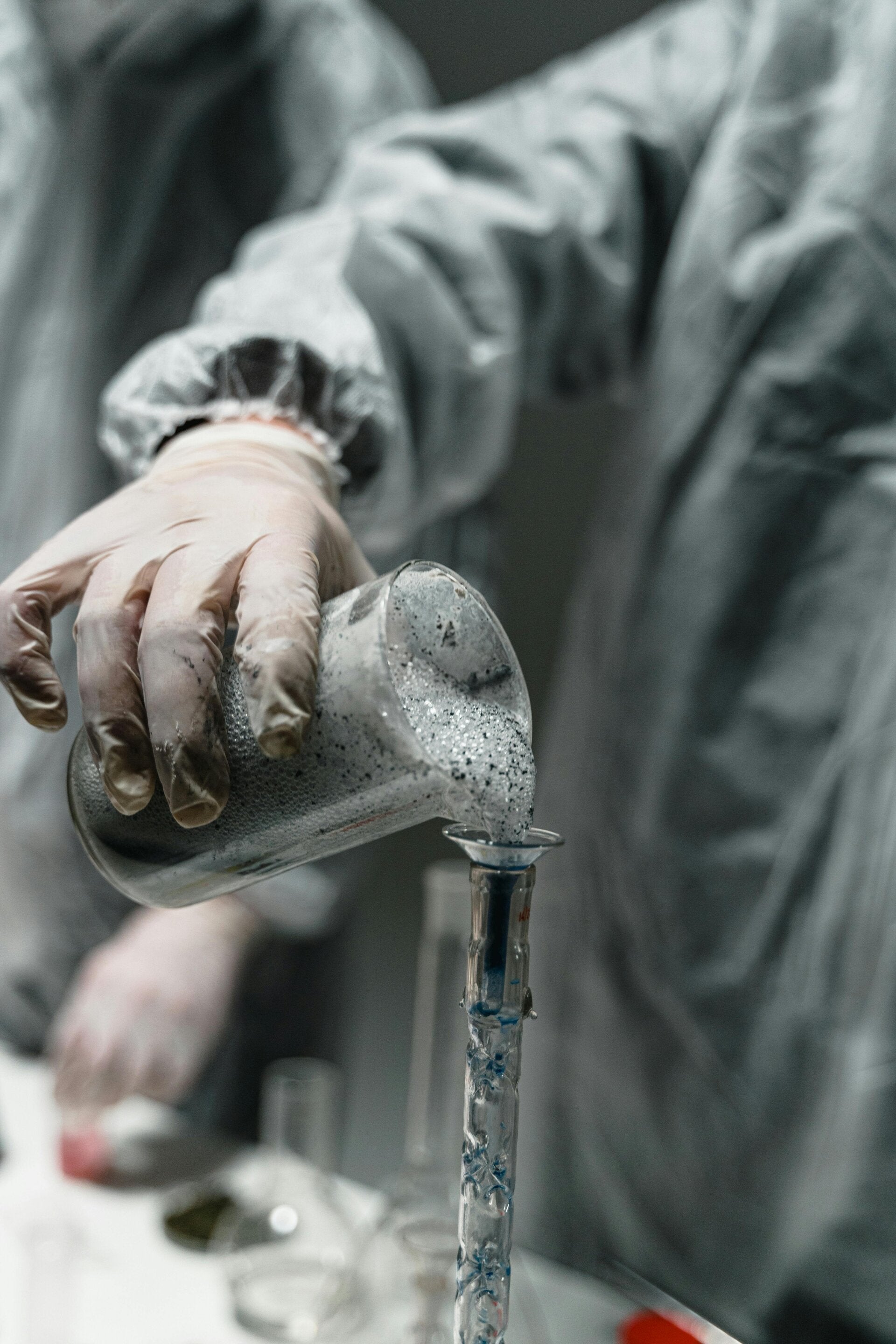
For all who value heritage conservation/
preservation
This page is designed for everyone keen on understanding and applying traditional building practices. Whether you're a homeowner looking to restore your property, a seasoned tradesperson refining your skills, or a student of conservation, We can provide a practical insight into the 'old school way' of working with lime based on experiences (back when manual labour meant something, and we didn't cry 🤣
Then and ...
Galvanised metal was really the only material back then, that would withstand the exothermic heat created while "slaking" lime (CaO).
Buckets & clothes washing tubs were generally all we had, we could always find a carpenter who would knock us up a garden rake made fron off-cuts of timber (2x2 inch) with 4-6inch flat head nails driven through the 'crossbar' to act as the 'rake' section. Depending on the job itself we would often do the "layer" method and sprinkle water across that "cake" but of course a suitable area was necessary to do this, and today's Health & Safety rules means we don't advise it now.
An example of what we carried in an old transit pick up for onsite slaking/mixing is pictured right, and a homemade rake used I that was manual work - nowadays of course there are many types of powered pan mixers, like the one below, but of course chipped finger nails are just not allowed these days 🤣🤣


Now
An example shown left is a powered pan mixer with a 100kg mixing capability, and safety considerations built on, whereas we would often knock up 1 tonne loads in an old bath, by hand by sequential mixes of limeade aggregates, not in one mix, we weren't superman 🤣
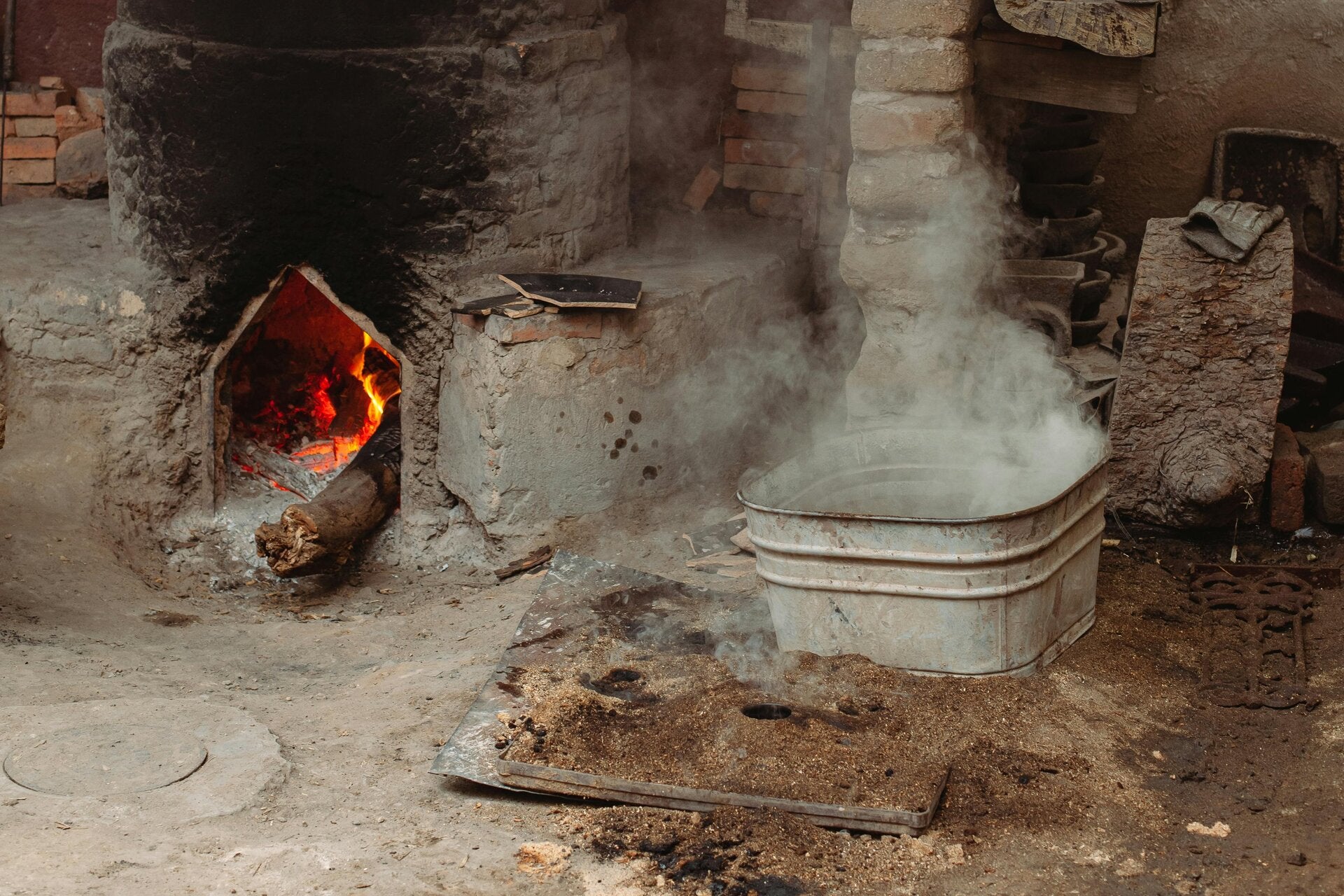
Essential considerations for safe slaking
Many frequently ask about the equipment needed for slaking. It is crucial that your mixing container must be heat-proof, preferably metal, due to the exothermic reaction of quicklime with water. Safety is paramount, and understanding these aspects ensures a successful and secure process.