Radium: a historical perspective

What is radium?
Radium, discovered by Marie and Pierre Curie in 1898, is a highly radioactive, metallic, earth alkaline element. Its discovery marked a pivotal moment in science, revealing the immense energy contained within atomic structures. Understanding radium's history is crucial for contextualising materials and practices used in period buildings.

19th century paints and their legacy
We help to educate owners of period and listed buildings, as well as conservation enthusiasts. We want them to feel informed and empowered to approach the conservation of historical structures with a deeper understanding of all materials involved. Visitors should take away the knowledge that some historical materials, like certain 19th-century paints, might contain unexpected elements, and understanding these is key to effective and safe preservation. As said,Radium is radioactive and can give off huge amounts of heat as it decays, so don't start thinking that an old, original fireplace is just a case of a lick of paint and it will look lovely. If you have any concerns, get it checked out by the experts. Here is one suggested link - https://www.sgs.com/en-gb/services/radiochemistry-testing -
Well, Well, Well
Also, while garden Wells may be pretty, they may have been drinking water wells. Radiumis an earth Alkaline, so it's recommended to have the pretty looking well also tested, in fact every 3 years, just use the link above.
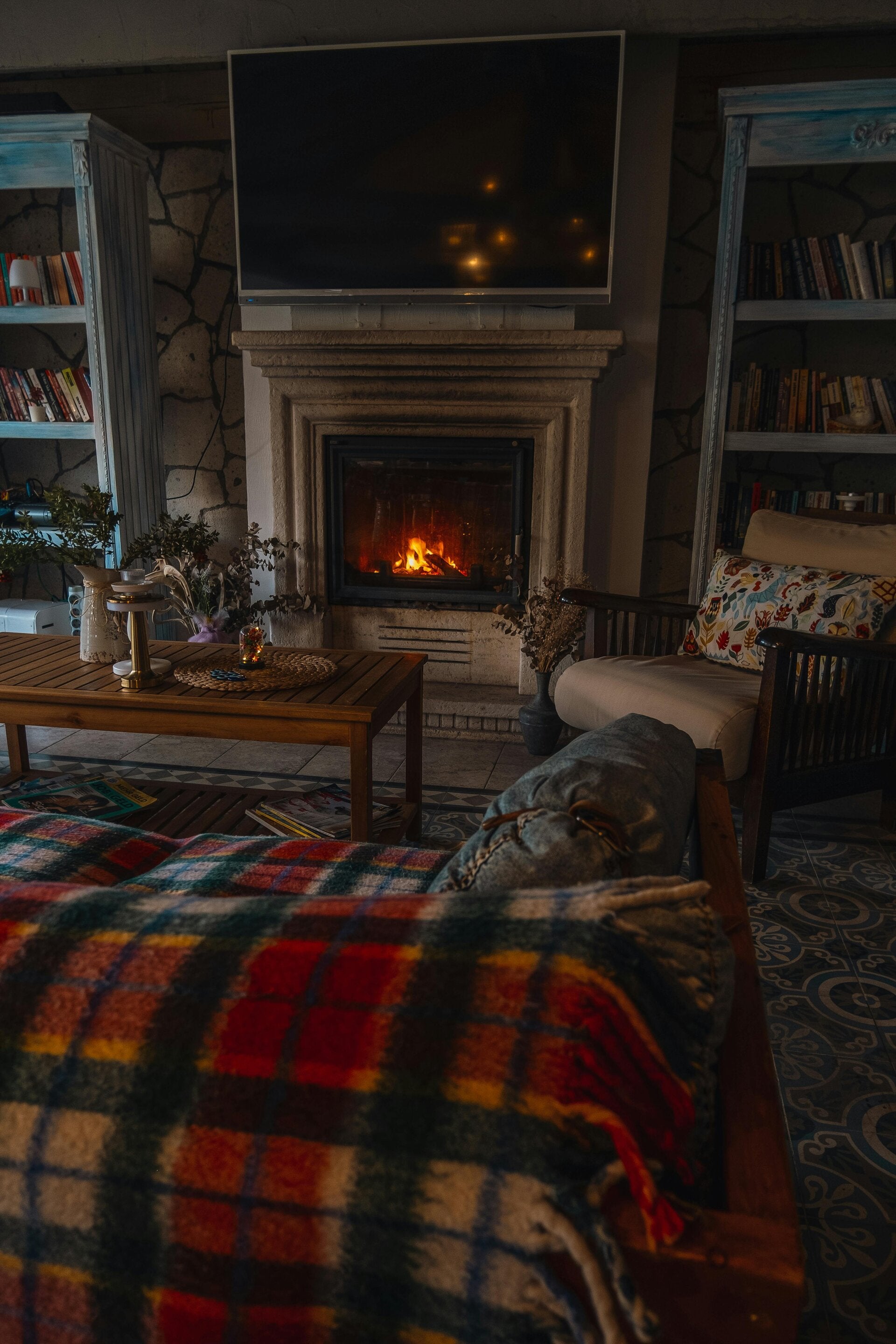
Radium is radioactive which gives off heat as it decays, so may have historical heating properties
While radium itself doesn't directly heat buildings, its radioactive decay generates heat. This concept highlights the stark difference between historical heating methods, such as open fires, and modern systems. Understanding these past practices is crucial for addressing common problems in period buildings, such as inefficient heating and heat loss. By appreciating the historical context, we can better implement sympathetic and effective solutions for conservation and comfort.