Unveiling shellac: a heritage secret
Discover the enduring power of shellac, a natural resin with a rich history in protecting and enhancing surfaces. At Heritage Lane, we delve into its unique properties, from sealing troublesome knots to delivering a lustrous finish, essential for the conservation and restoration of period and listed buildings.
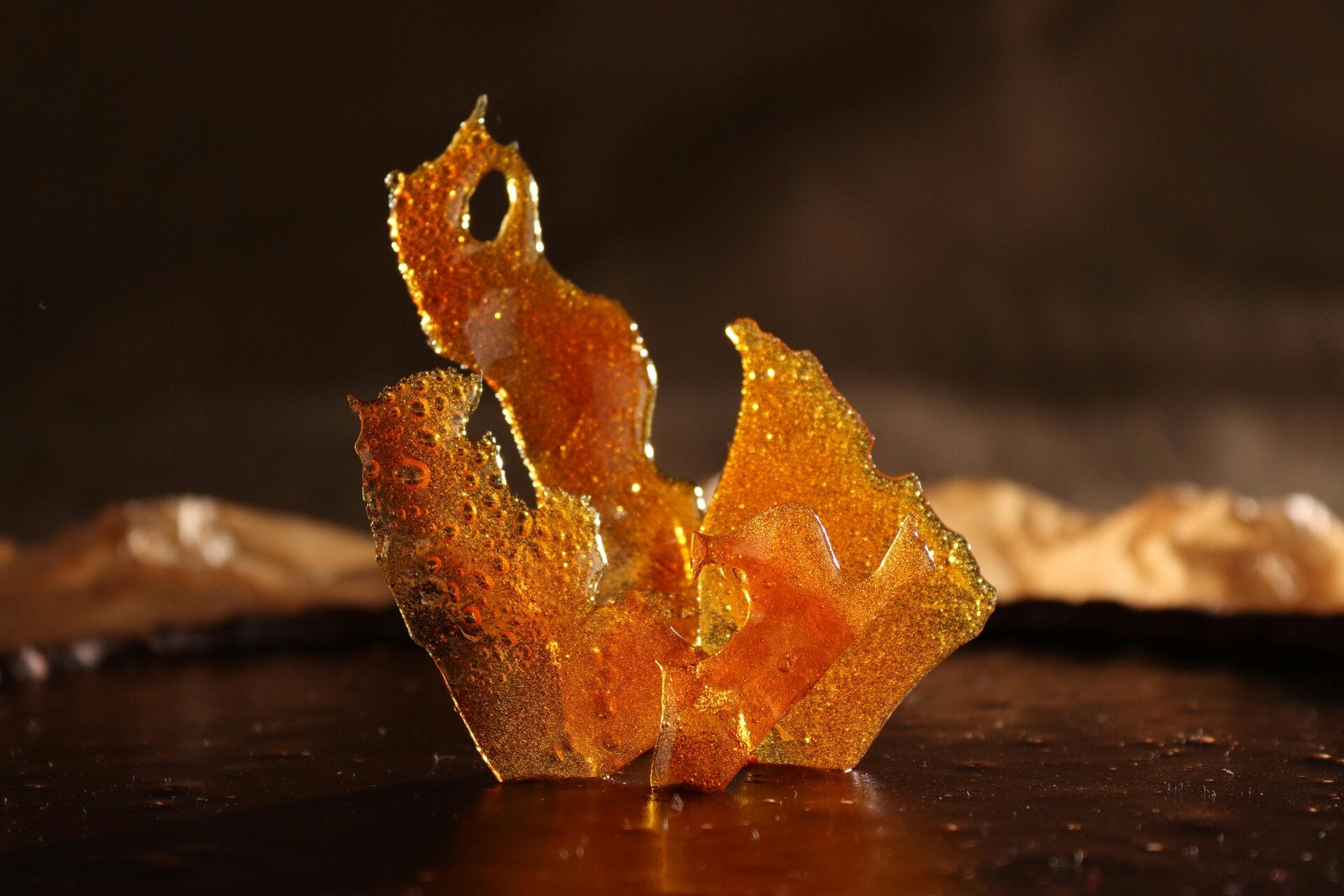
What is shellac?
Shellac is a versatile natural resin, derived from the secretions of the female lac bug. For centuries, it has been prized for its protective and aesthetic qualities, forming a durable, beautiful finish. It's an indispensable material in traditional building restoration, offering a non-toxic solution for various applications.

Why homeowners used to love shellac
For homeowners, especially those with period and listed properties, shellac offers unparalleled benefits. It acts as an excellent sealer for wooden surfaces, preventing bleeding from knots and providing a stable base for subsequent finishes. This natural solution helps maintain the integrity and beauty of your home's historic elements, making it a cornerstone of conservation.

Mastering knots and achieving the perfect finish
One of shellac's most celebrated qualities in heritage conservation is its ability to effectively seal resinous knots in wood. These natural imperfections can often cause discolouration or sap bleeding through paint. Shellac creates an impermeable barrier, ensuring a flawless and long-lasting finish. Beyond this, it delivers a rich, warm lustre that enhances the natural beauty of timber, standing as a testament to traditional craftsmanship.
Reversing shellac: the solvent solution
Understanding how to remove shellac is as important as knowing how to apply it, particularly in restoration work. Shellac is unique in that it can be dissolved and removed using alcohol-based solvents, most commonly methylated spirits (denatured alcohol). This reversibility makes it an ideal choice for conservation, allowing for future interventions without damaging the underlying historic fabric.