Drastic thermoplastic fantastic?
or modern benefits
The potential of thermoplastics in heritage conservation is looming. This targets decades of history.
Traditional,materials, are becoming threatened, nature is being threatened, and sustainability is being threatened because of advances in science, so keep your eyes open.
The broblem of finding adaptable, durable, and effective materials, and skills for protecting and restoring historical structures, is under attack by the growing use of thermoplastic.
Ever noticed how a lot of products are now much less "tactile" than they were, how much more tightly packaged and 'smaller' than they were?
Good for transporting, good for maximising profits, good for shelves in tesccos, but are microporous plastics any good for tradition?
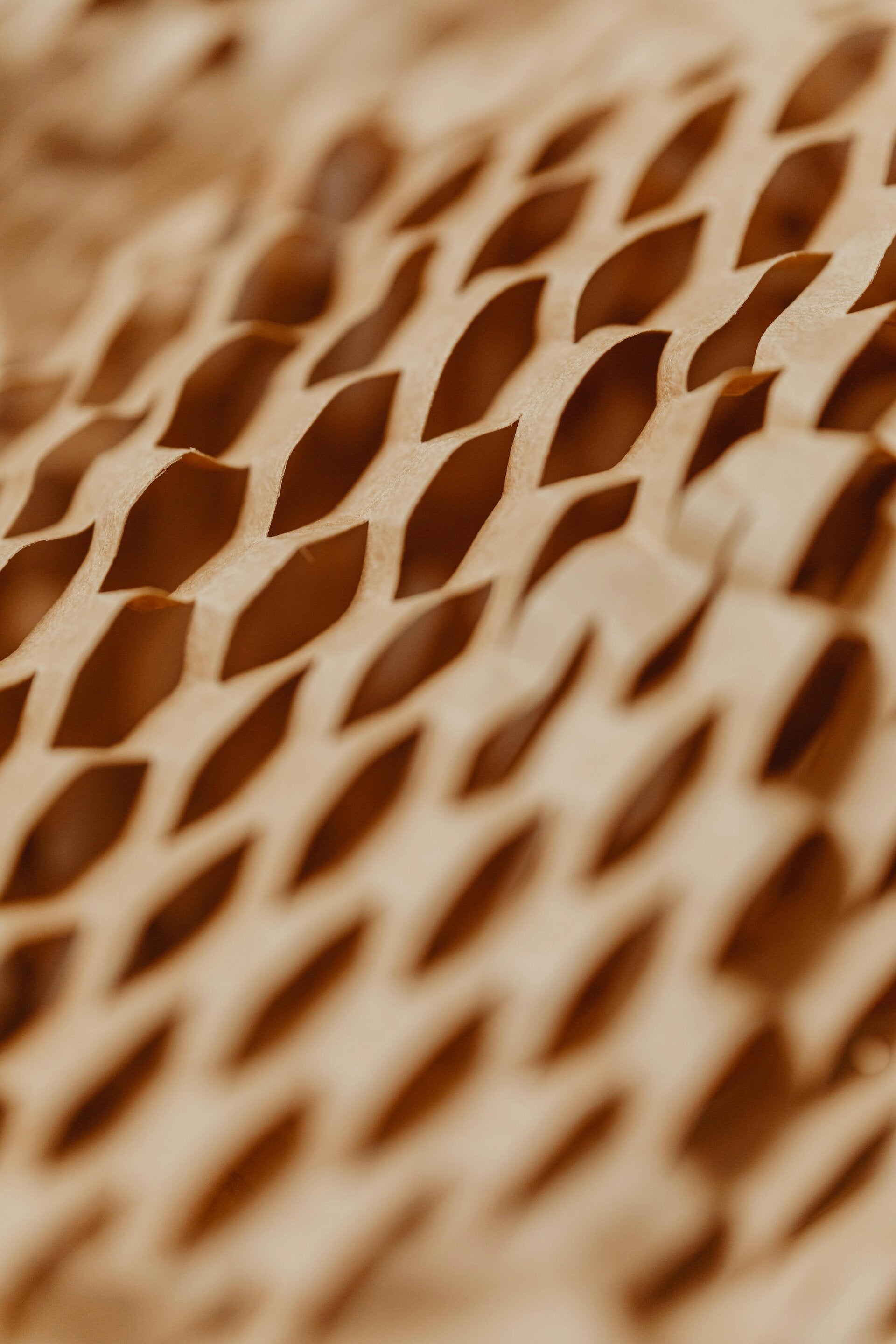
Cardboard packaging is already present on foodstuff and home furnishing packaging, paper already contains thermoplastic, but how long before our Heritage is attacked?
Moisture vapour permeable plastic
We all know that plastic is bad for the environment because Sir David Attenborough reported on the damaging effects to wildlife, which 'forced' the UK Government to impose a 5p carrier bag tax on us people to encourage us to reuse shopping bags but the benefits of moisture vapour permeable plastic are also worrying, just not in such a blatant robbery attempt.
The MVP property of thermoplastic is indeed beneficial for the health of historic buildings, allowing moisture vapour permeability where needed while still providing protection and decoration, so this will likely cause some debate.
Replacing traditional methods?
We use the word drastic when it comes to solutions for traditional buildings because we have a lifetime involving nature, history and heritage as well as respecting nature, and our approach is because we see an opportunity arising where traditional methods will be progressively replaced.
The future is now!
One definition of microplastics is any fragment of plastic that is between 1 nanometre and 5 millimetres wide. One nanometre is just a fraction of the width of a human hair.
Some plastics are made to be small. These are known as primary microplastics, like the microbeads intentionally added to face washes and other personal care products. But most microplastics come from the slow disintegration of larger plastic products, including plastic wrap, takeaway containers, polyester clothes, tires, paint and artificial turf. These are known as secondary microplastics.
They are found in water, soil and the air. It is estimated that approximately 2.7 million tonnes of microplastics seeped into the environment in 2020, an estimate expected to double by 2040. So plastic pollution i.n lakes, rivers and the ocean will increase - and no you won't get your now 30+p carrier bag taxes refunded.
Over time discarded plastics like clingfilm and water bottles can break down into microplastics, fabrics like polyester can shed microplastic fibres when washed, microplastics also get released into the environment when people use products laced with plastic particles.
There are many ways that microplastics can find their way into the environment and once they’re there, they get around. Research has shown that particles can move through the food chain, as well as through soil, water, ice – even the air.
We’re just beginning to understand how microplastics travel and where they end up, but what we do know for sure is that when they end up in the environment, they also end up in our food chain. Scientists are still trying to understand the potential impact on our health but there are real reasons to be concerned.
Microplastics can enter the human body through ingestion and inhalation. It remains to be confirmed if nanoplastics – which are less than 1 micrometer across – may even slip through the skin, as some research has suggested.
One 2019 study found some adults could potentially be consuming between 39,000 to 52,000 microplastics particles a year on average, depending on their location and what they do. Microplastics have been found throughout the human body, including in the walls of arteries.
One study found found that microplastics can slow the growth of a microscopic marine algae known as phytoplankton, the base of several aquatic food webs. Another report found microplastics can make soil less fertile, hampering harvests. Microplastics may speed the melting of snow and ice in places like the Arctic, limiting the planet’s ability to reflect sunlight, so there might be a case for planes sptaying our skies as speeding up global warming wouldnt be great.
A first step for companies really is to stop adding unnecessary microplastics to products,but for governments to govern.
Also is the important consideration of redesigning products so they contain less plastic and shed fewer plastic fibres but also are not released to the environment at end of life. Bolstering waste collection and recycling systems would help prevent plastic products from escaping into the environment, where they break down into microplastics.
There does appear to be a growing global effort to address plastic pollution. Spotlighting solutions to plastic pollution and the current problem of microplastics.