Thrips: understanding and managing thunder flies
'Thrips' are often known as thunder flies, corn lice, or storm flies in other country's, especially if you have a thatched roof on your home. This page will guide you through some simple, but natural and effective solutions to manage these common pests.
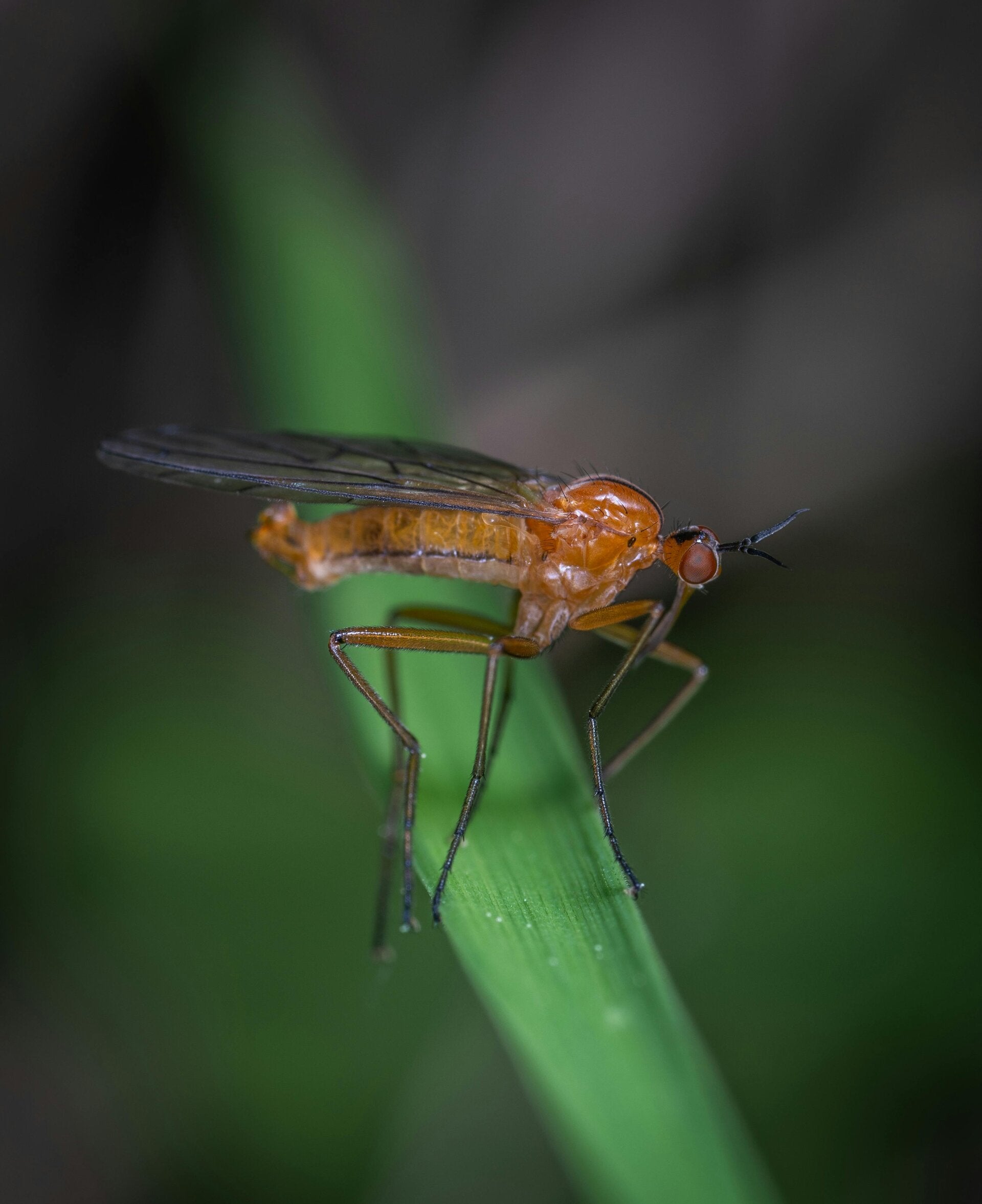
What are thrips?
Thrips, (UK) also known as thunder flies, storm flies, or corn lice in other countries, are tiny, slender insects with fringed wings.
They are often dark in colour and can be a nuisance, especially in agricultural settings or around homes.
For those with thatched roofs, they can become a particular concern due to the roof's natural materials providing an ideal habitat. THRIPS

Why are thrips a concern for thatched roofs?
Thatched roofs, with their organic composition and often intricate structure, provide a perfect environment for thrips to thrive.
The straw and natural fibres can harbour these insects, leading to potential infestations. While thrips are not typically destructive to the thatch itself, their presence can be unpleasant for residents of the home.

Natural ways to get rid of thrips
The most important takeaway for anyone dealing with thrips is that natural methods are highly effective and environmentally friendly. Consider introducing natural predators such as ladybirds and/or lacewings.
Neem oil sprays can help by disrupting their life cycle, and sticky traps can help monitor and reduce populations.
Regularly inspect your thatched roof for early signs of activity, and consider planting natural deterrents like marigolds or chrysanthemums around your property.