Blue eyes? Nope.
I have blue eyes, oh no I dont, oh yes I do.
Seems like a Punch and Judy gag, but have you ever wondered why some eyes appear blue?
It's a common misconception that blue eyes contain blue pigment, but the truth is far more intriguing and rooted in the fascinating world of light and reflection. Scence is behind this optical illusion, and without knowing and understanding science, you'd probably never know.
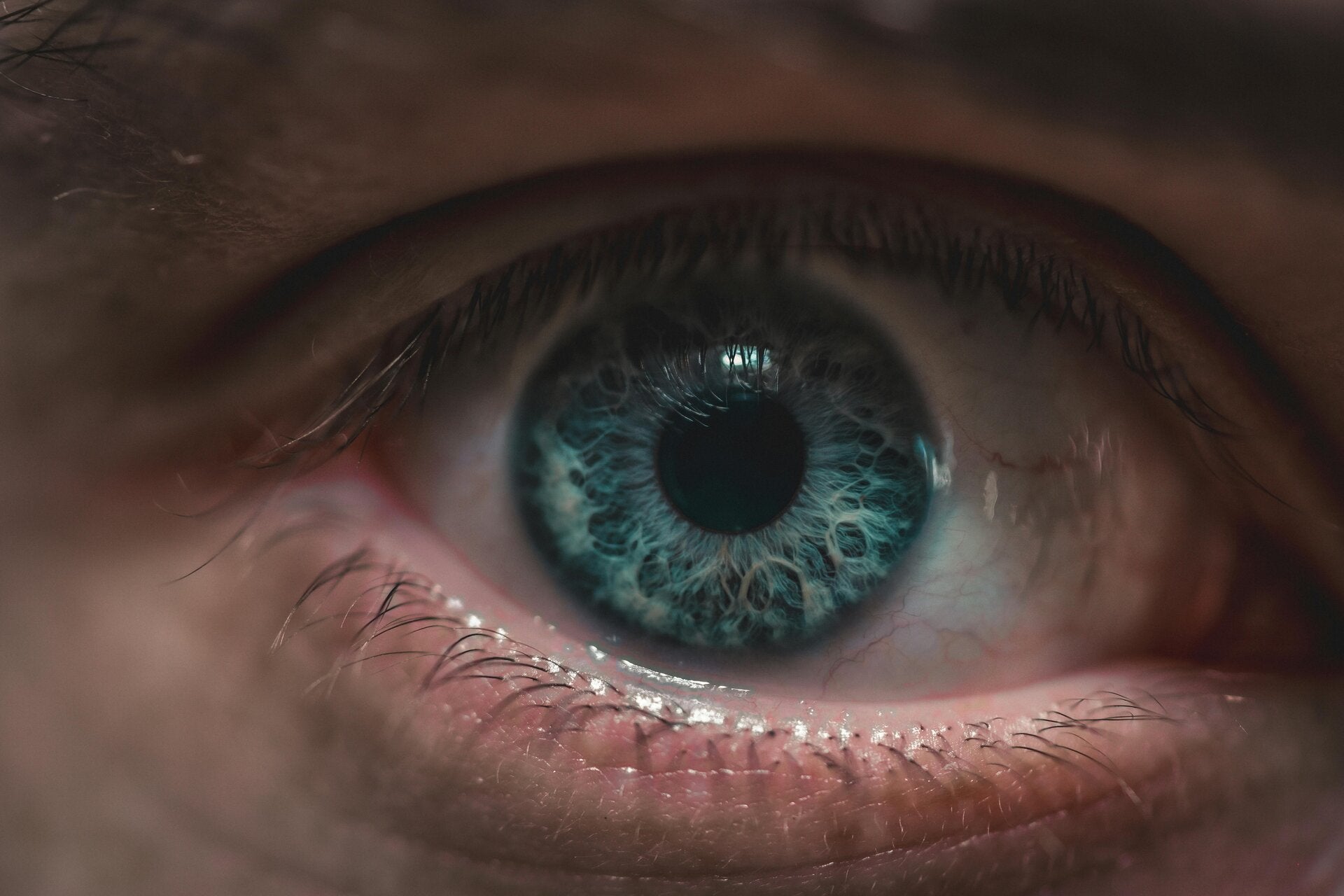
The myth of blue pigment
Contrary to popular belief, there is no blue pigment found in blue eyes. The iris, (the coloured part of your eye,) actually contains very little melanin – the pigment responsible for brown, black, and hazel eye colours. So, if there's no blue pigment, how do blue eyes get their stunning hue?

It's all about light reflection
The answer lies in how light interacts with the structure of the iris. Blue eyes appear blue for the same reason as the sky appears blue: a phenomenon called Rayleigh scattering. When light enters the eye, it scatters off the collagen fibres in the iris. Shorter wavelengths of light, like blue, are scattered more efficiently than longer wavelengths, such as red. This means more blue light is reflected back out, creating the perception of blue eyes.
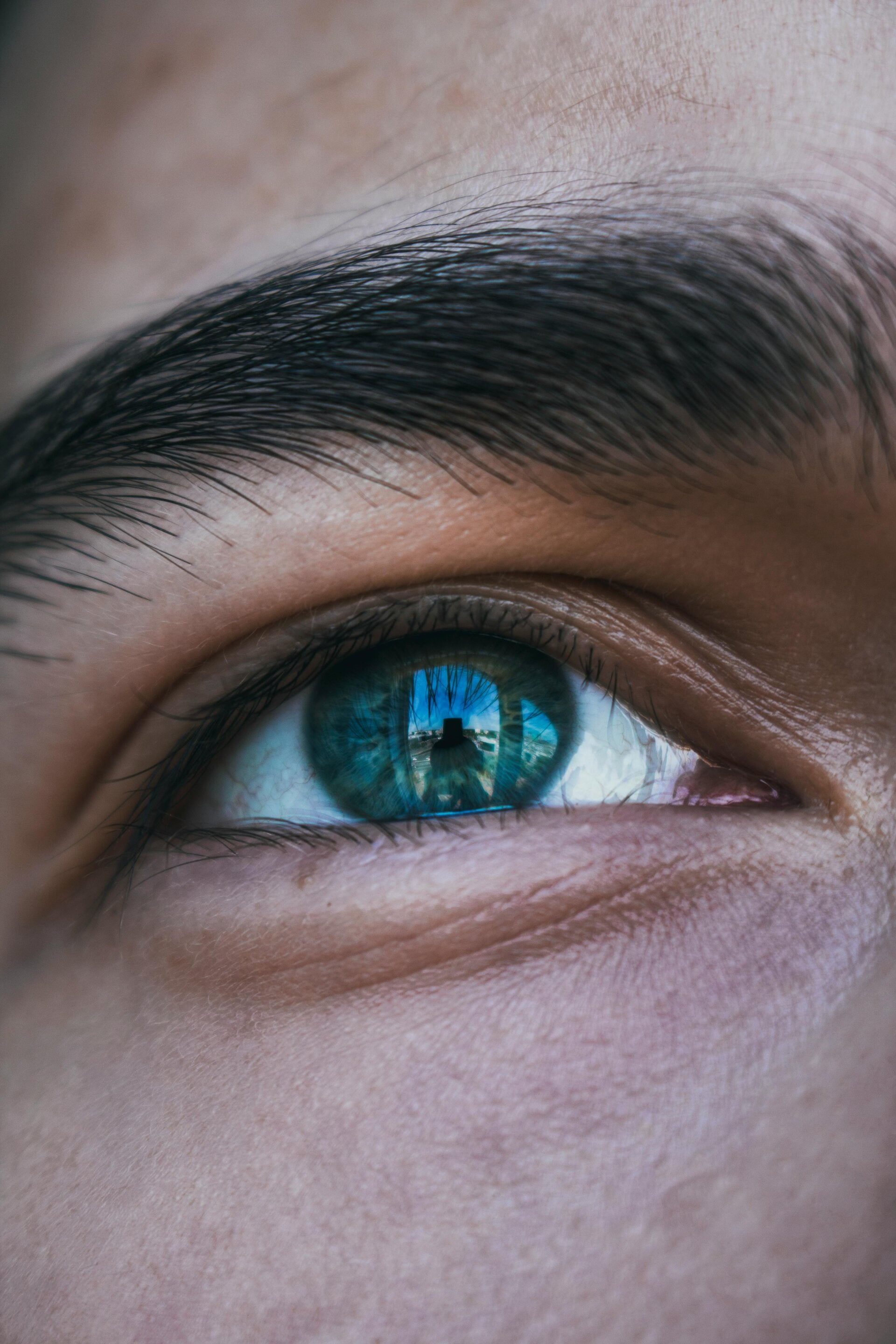
A genetic link maybe?
The absence of blue pigment and the reliance on light scattering for blue eye colour highlights a fundamental principle in biology and physics. It's a testament to the intricate mechanisms of nature. Another reason why learning about COLOUR is important.