Dating history: Julian versus Gregorian
Step into the intriguing world of historical dating systems. Unravelling the complexities of the changeover from the Julian to the current, Gregorian calendar can throw a 'spanner in the works', so I recommend you question the very dates that shape our understanding of the past.
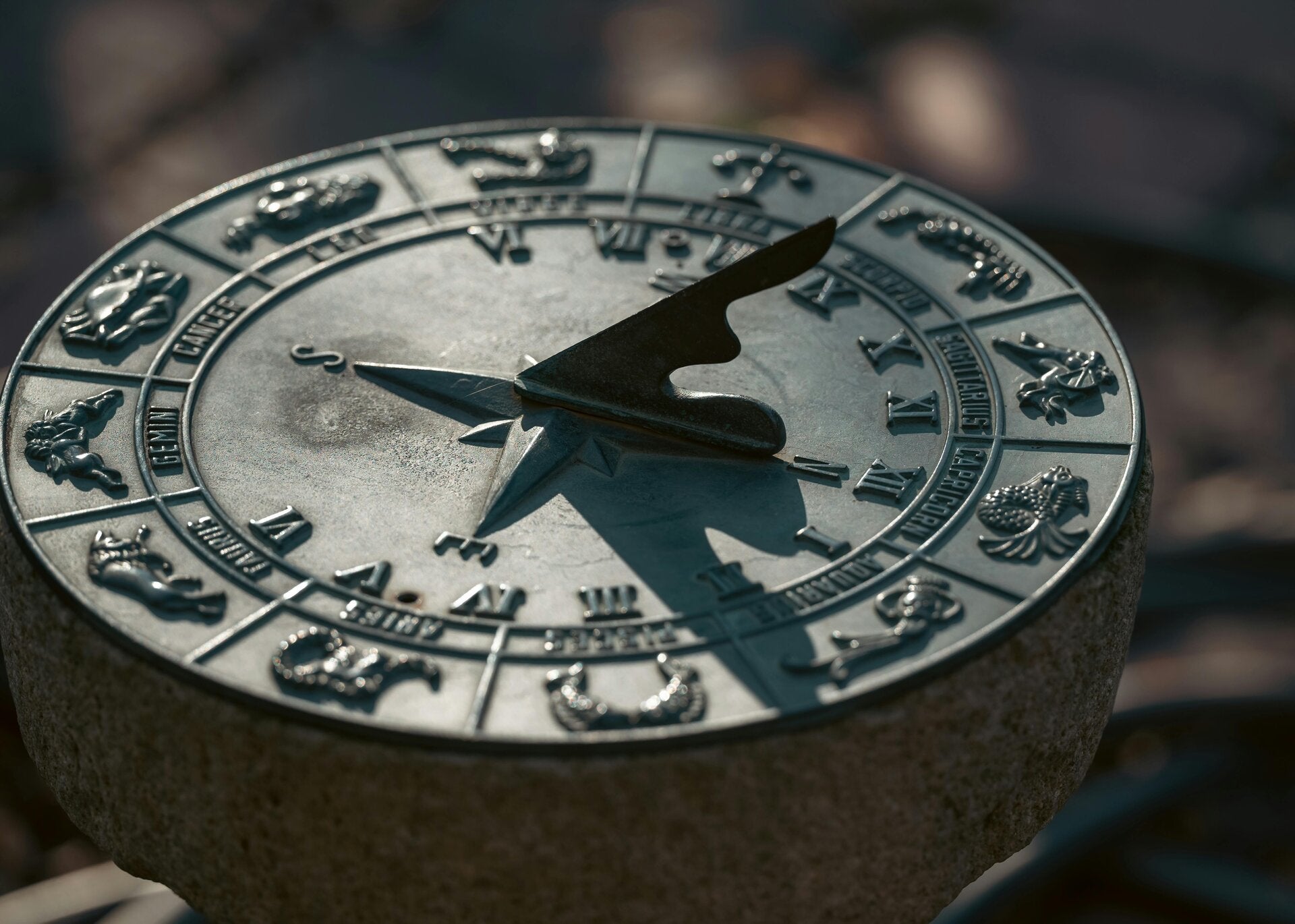
Julian versus Gregorian: a shift in time
Have you ever wondered why there are two main historical calendar systems, did you even know?
The Julian calendar, introduced by Julius Caesar, served for centuries, but apparently it's inaccuracies led to the adoption of the Gregorian calendar in the year 1582, under pope Gregory.
This changeover created some critical differences between the two calendars, which must affect the recording of history and the dating of significant events and structures, particularly those relevant to some historic buildings.
So how can English Heritage earn a huge amount of money annually by stating, and re enacting the Battle of Hastings annually on their claimed date of the 14th of October 1066?

Can you really believe historical dates?
When studying traditional buildings, the accuracy of historical dates is paramount. But how reliable are the dates we've inherited?
This section challenges you to examine the provenance of historical records and the potential for discrepancies arising.
A better consciousness of these 'niggles' is crucial for anyone involved in the conservation and restoration of our precious heritage.

Pevensey Castle dates: unique insights
Thinking back to some former involvement I've had, like Pevensey Castle, and subsequent important dates we're told about (battle of Hastings 1066), really cant possibly be true.
By examining some of the documented evidence, I see some questions, but no answers. Understanding more of how the two calendar systems, and their time of changeover in 1582, does really influence our perception of a building, and its various phases of construction and adaptation.
This quandry now fires up my 'Inquisitive/assumptive phrase again, and can, and in my opinion, should be considered very carefully
Truth, or Untruth?
We are told by English Heritage, a reputable institution, that William the Conqueror sailed his troops across the English channel before landing them on "28 September 1066" (copied from the English Heritage website) - The date they give on their website is very specific.
But is it true?
Think about geometry: a septagon has 7 sides, an octagon has 8 sides, a nonagon has 9, a decagon has 10 etc, so think of the numbers of the annual months; why is the 7th month July, the 8th month August, the 9th, September, the 10th, October etc etc?
Something's not right.
Today here in the UK is Wednesday 27th May 2026, but according the former 'julian' calendar, today here in the UK, it's the 14th of may.
I don't reinvent wheels so you can find a pre calculated converter HERE look yourself,
and think about this because the 13 moon cycles also affect our natural time (13 x 28 days/month = 364 days per year, so there's more to consider, and might explain why we are told that new years day is in the middle of winter, but nature clearly says otherwise 🤔.