

Understanding PVA in building conservation
Polyvinyl acetate, commonly known as PVA, has become ubiquitous in modern building trades. However to conserve traditionally buildings effectively, one must understand both the polymer science of PVA and the fundamental physics of moisture migration.

What polyvinyl acetate actually is
Chemically, PVA is a synthetic resin prepared by the polymerisation of vinyl acetate monomer.
In modern gypsum plastering, tradespeople rely on water-diluted PVA as a primer to equalize background suction and provide mechanical adhesion.
By sealing porous substrates, it prevents gypsum from losing its water too rapidly before crystallization can occur.
So this bonding layer forms a continuous, rubbery, synthetic film that fundamentally alters how moisture can travel across masonry interfaces. And that is obviously not good!
Why traditional buildings must "breathe"
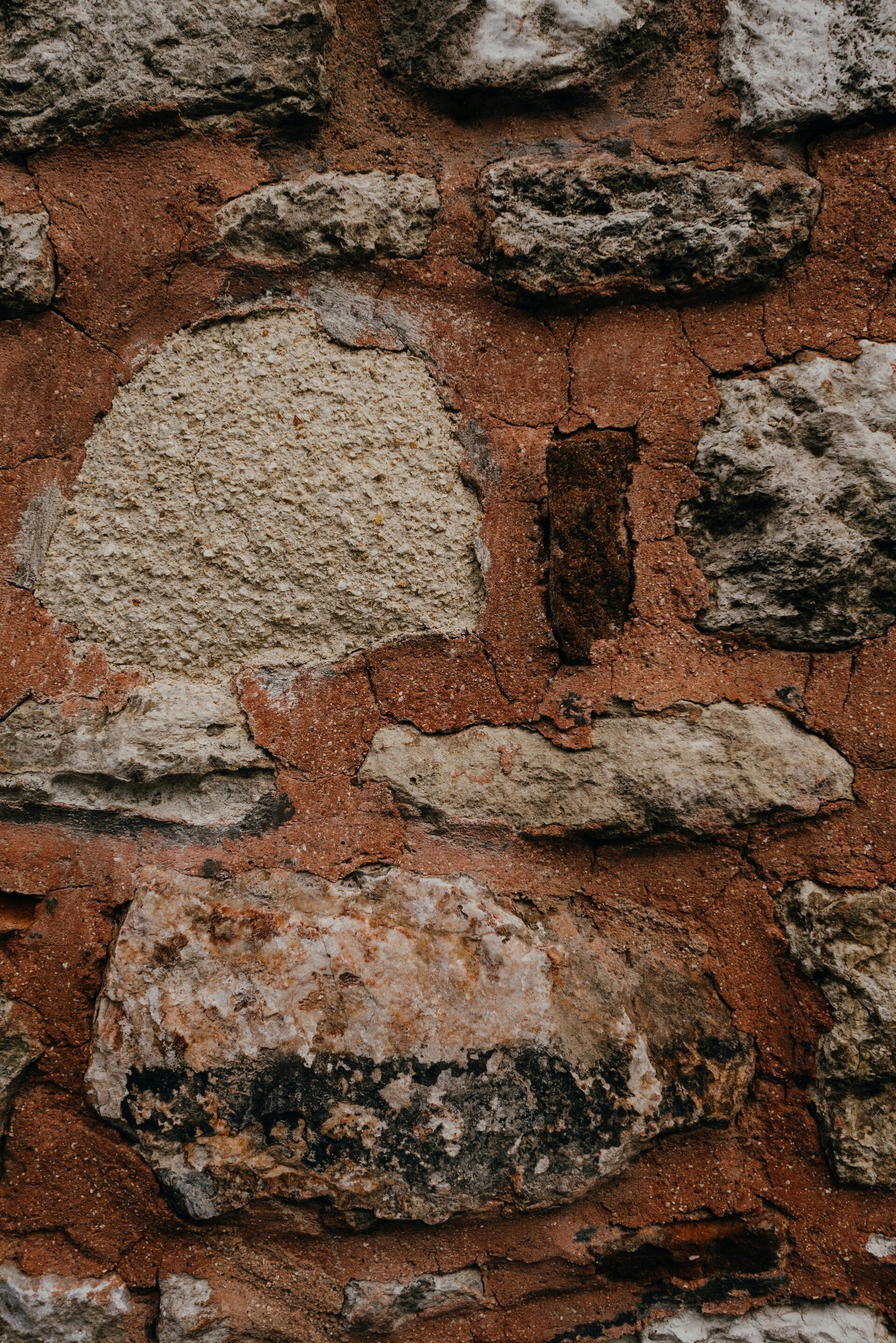
Traditional structures are predominantly solid-wall systems designed to absorb and evaporate moisture dynamically.
When a non-breathable polymer barrier like PVA is applied to historic substrates, it simply traps interstitial damp behind an impervious membrane.
Furthermore, standard PVA is water-soluble, meaning that in damp masonry conditions, it can re-emulsify, degrade, and compromise the plaster bond entirely.
Working harmoniously with moisture, not fighting it with completely unnecessary synthetic sealers, is vital for preserving historic building fabrics.
To delve deeper into this balance, explore our guide on the need for moisture
Traditional, vapour-permeable alternatives
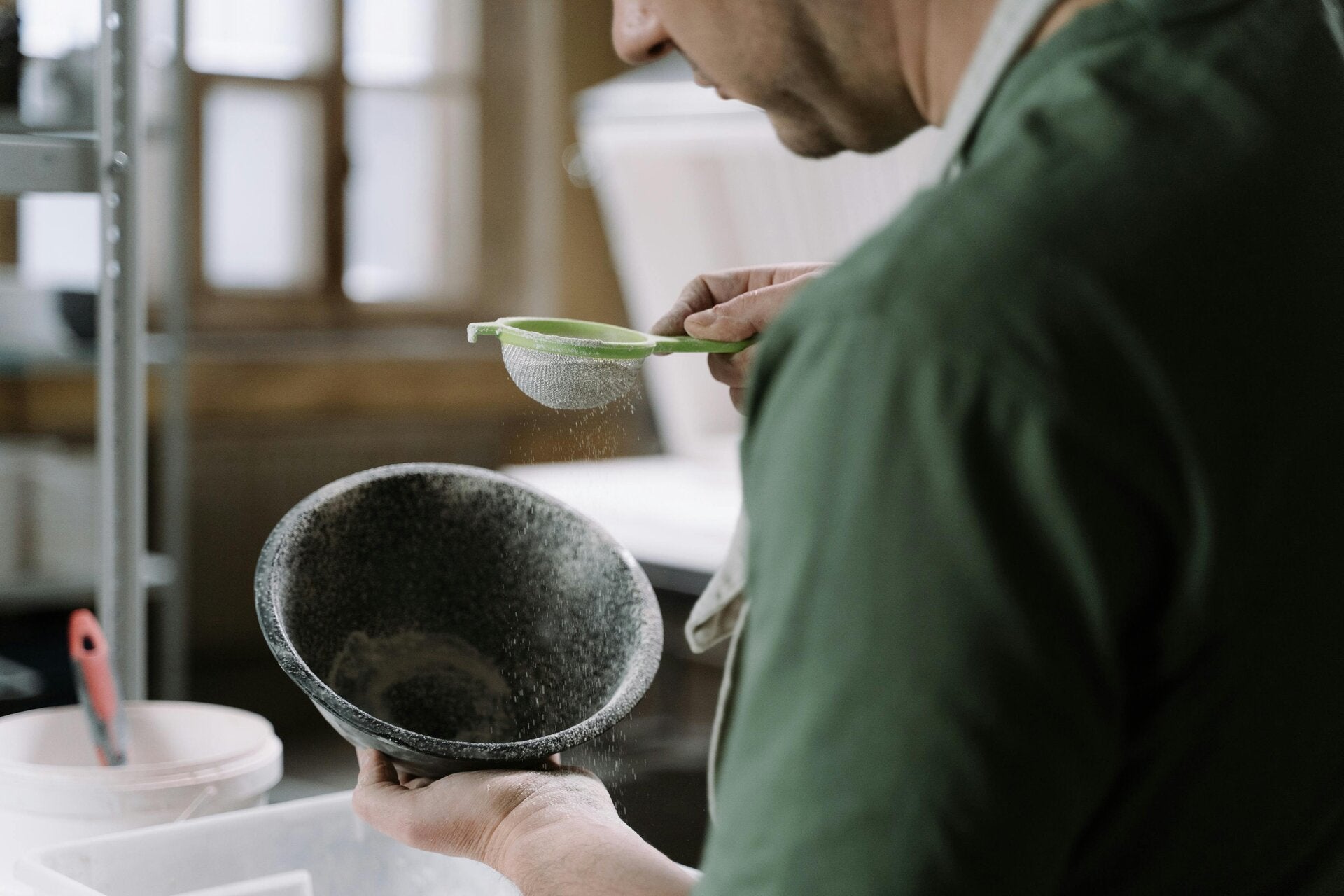
If suction control or binding is genuinely needed in historic plasters, synthetic polymers are simply unnecessary.
Skilled conservators rely on clean water pre-wetting to reduce background suction if needed, and for invreased adhesion and consolidation, traditional moisture vapour permeable solutions such as natural animal glues (including rabbit-skin glue), casein binders, and even lime water, will provide excellent performance without disrupting the building's natural vapour permeability.
Of course you won't find any recommendations for modern chemicals on this site, simply because they're not needed at all, whereas good scientific knowledge (no, not GCSE level) is always far better than today's nonsense.
Unless you're measuring up for a new Armchair!