


"Sandpaper" goes in the bottoms of bird cages!
Stop assuming and start learning correctly. In period conservation, abrading is not about aggressive removal; it is an exacting science of preparing sensitive timber, plaster, and masonry without destroying invaluable historic fabric.

Coarse grits are not a shortcut
A common error that we see far too often, among well-meaning owners, is reaching for aggressive, coarse-grit papers simply to save time.
Stop being lazy: coarse abrasives gouge original timbers, tear delicate lime plaster, and permanently scour historic profiles.
Patience and calibrated friction are the cornerstones of respectful architectural stewardship.
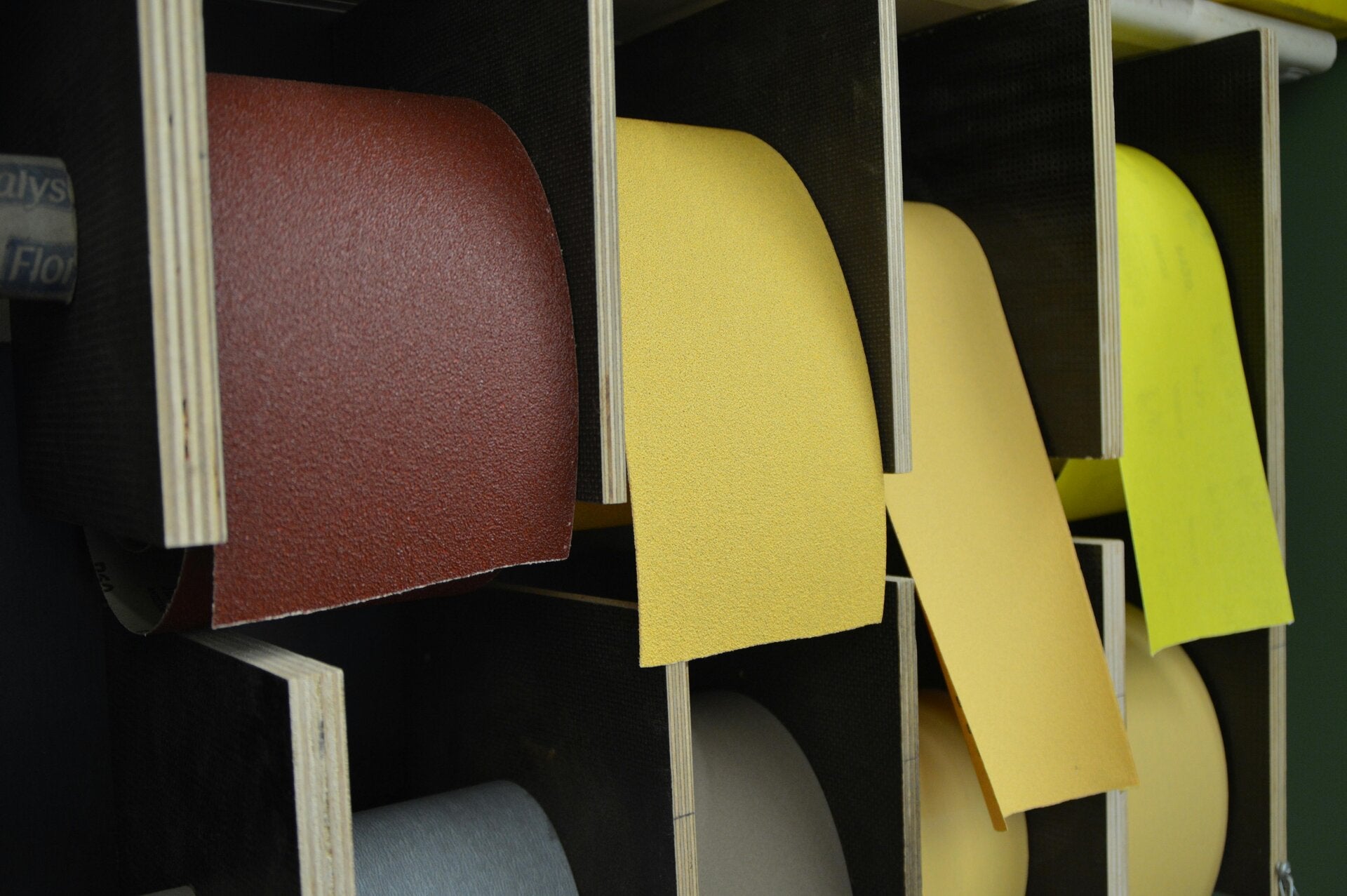
Understanding paper grades and uses
Different restoration projects require precision mineral coatings. Medium abrasives gently level uneven layers without scoring the substrate, while fine and very fine grades (from 180 through to 400+) create flawless abraded substrates for paints and traditional limewash finishes without causing irreversible mechanical damage.

Preserving the original substrate
Every pass of an abrasive paper should serve to reveal and protect, never to erase. By understanding how mineral friction interacts with historic cellular structures, you preserve the tool marks, patinas, and craft details that make listed and period buildings irreplaceable.