

What is sandstone?
Sandstone is one of the most versatile and celebrated sedimentary building stones across British period and listed architecture. Formed over millions of years through geological pressure, mineral binding, and sediment deposition, this naturally breathable stone requires knowledgeable care to endure for centuries to come.

Geological origins and characteristics
Sandstone forms over vast geological epochs when mineral particles, primarily quartz and feldspar, accumulate in riverbeds, lakes, or desert dunes. Under intense geological overburden, these grains compact and cement together with natural binding minerals such as silica, calcium carbonate, and iron oxides.
It all creates a porous matrix makes it fundamentally open and vapour-permeable.
In historic buildings, this breathability allows internal moisture to evaporate naturally, preventing damp buildup within solid masonry walls.

Traditional uses in historic masonry
From crisp ashlar frontages to rugged rubble walling, sandstone has defined British regional heritage for generations.
Master stonemasons relied on its workable nature to dress architectural features including mullions, window sills, lintels, and intricate decorative mouldings.
Because it accommodates delicate carving as well as massive structural loads, it features prominently across Georgian terraces, Victorian civic monuments, and modest rural dwellings alike.
Conservation pitfalls and acid damage
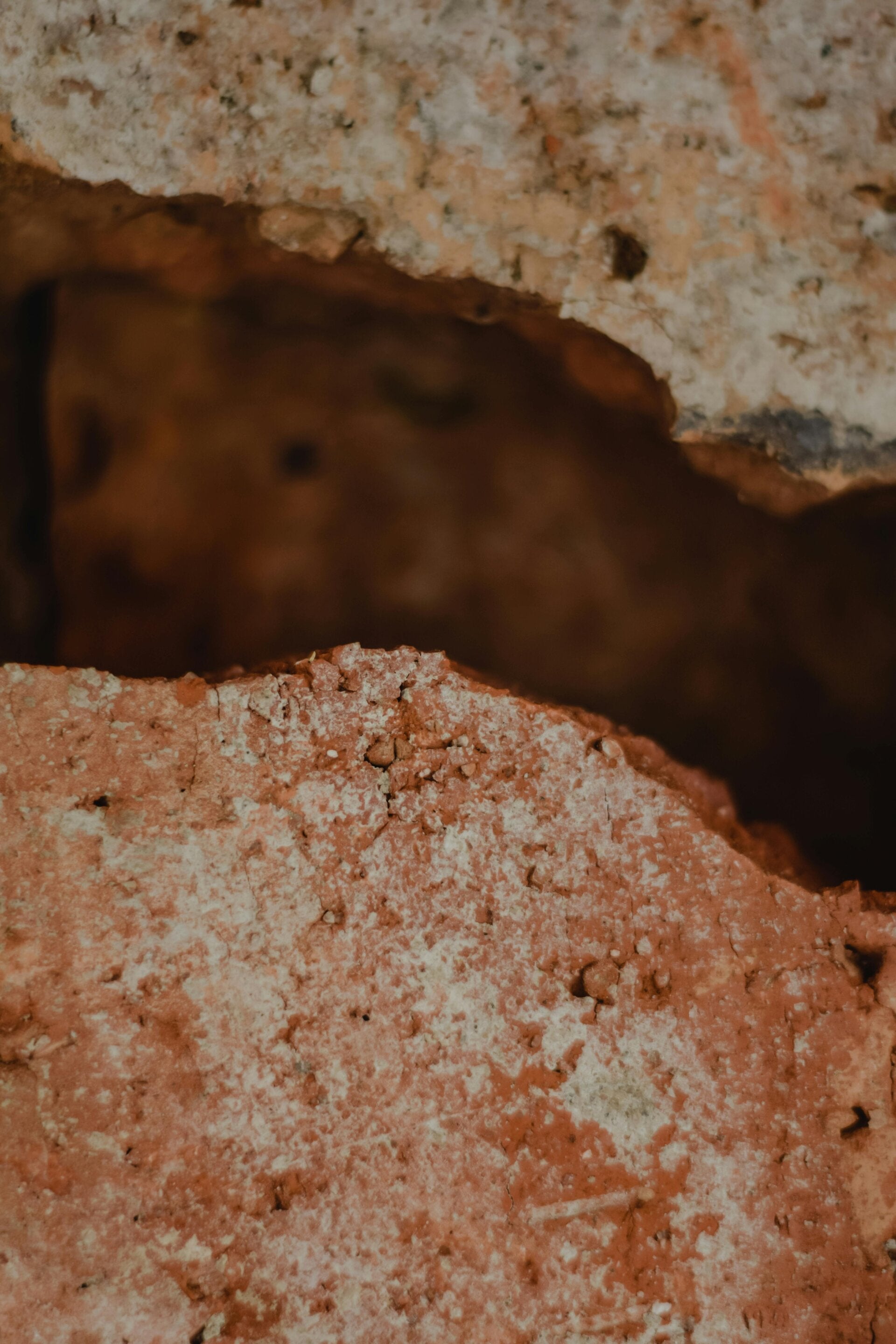
A critical mistake in historic stonework maintenance is the application of harsh chemical washes. The use of brick acid, often hydrochloric acid based, is severely corrosive to sandstone.
It dissolves natural mineral binders, initiates surface spalling, and leaves permanent salt contamination within the pores.
To safeguard your building, avoid aggressive chemicals and impermeable sealers. Discover the damage we found to a once beautiful late Georgian building, simple caused by rainwater!
now obviously, due to a miriad of causes, rainwater is not necessarily clean water, so this must be considered.
Yet we still see and hear the Armchair Experts saying that building Surveys are not necessary 🙄