

Understanding copper’s green patina: Ver De Gris
Copper changes with time. Effectivelly, it is the "rust" found on a ferrous metal such as copper, and obviously copper is a non ferrous metal as it does not contain iron. Copper was used widely in, and on, historic roofs, gutters, fixtures and architectural details, the familiar blue-green coloration seen, is called ver de gris. At Heritage Lane, we believe understanding copper corrosion is more useful than simply spending more money on a modern treatment. Learn what causes the change, when it protects the metal, and how to care for copper on period and listed buildings.

Why copper turns green
Fresh copper reacts slowly with oxygen and moisture, first developing darker brown and black oxides. Over years, contaminated rainwater and airborne compounds can create a green patina.
In many outdoor settings this is chiefly made up of stable copper carbonates; coastal salts, pollution and other contaminants can produce different copper salts.
Strictly speaking, Ver De Gris traditionally refers to copper acetate, but the name is widely used for the green "corrosion" seen on aged copper.

Patina or damaging corrosion?
A calm, even patina can form a protective surface that slows further corrosion.
The troubles begin when water is trapped, dissimilar metals create galvanic corrosion, or deposits and persistent damp keep the surface active.
Look for pitting, powdery or loose green growth, staining beneath joints, thinning metal and failed fixings. On a listed building, preserve evidence of age where it is stable, and investigate the cause before cleaning or replacing original copper.
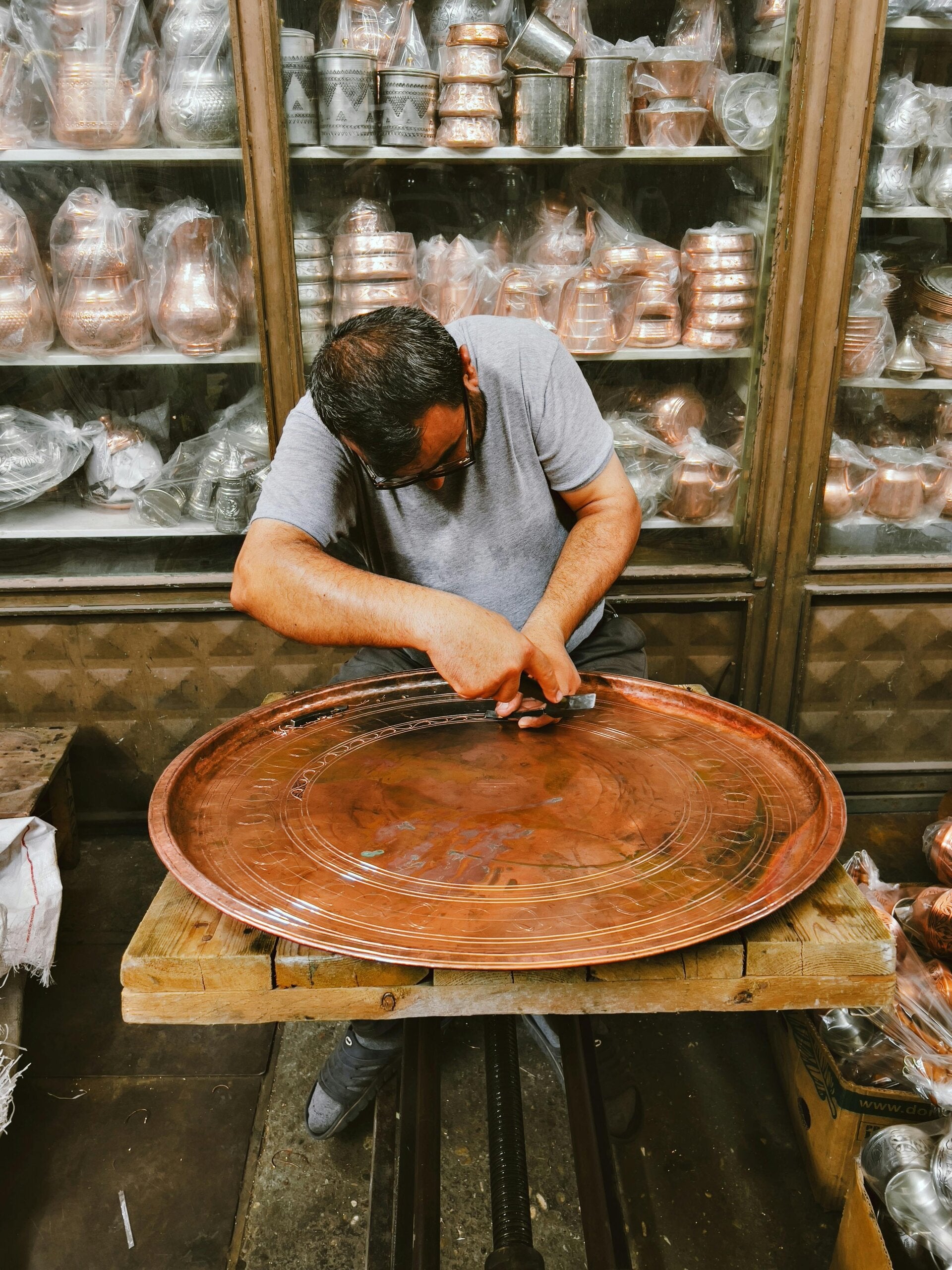
Preventing damage through informed care
Good copper care starts with sound detailing: let water drain freely, clear debris gently, repair leaks, separate incompatible metals and avoid abrasive cleaning.
Harsh acids, aggressive polishing and unsuitable coatings can remove a protective patina or trap moisture beneath the surface.
Every property is different, so observe the copper’s condition and its surroundings before intervening.
Keep learning with Heritage Lane’s practical applied building-science guidance for owners, custodians and anyone curious about historic fabric.